Uncommon Places Revisited
Uncommon Places Revisited is a research project conducted from home in 2025. It is based on the 2002 extended Thames & Hudson reissue of photographer Stephen Shore’s 1982 book Uncommon Places, which features large format colour film photographs taken at various locations across America and Canada in the 1970s. I will not attempt to describe the book or its broader impact here, instead I will focus on its impact on me and how far I took my enjoyment of its contents.
I did not study photography in college so my current knowledge of the history of photography has mostly come from documentaries, YouTube videos and my library of books. My learning has been freeform and led by own interests and aesthetic taste. It was very late in my photographic life that I came across the group of photographers known as the New Topographics. I instantly recognised that these were my people and that I was fifty years late to the party. It turns out I was photographing in a very similar way at the other side of the Atlantic Ocean half a century later and I was not alone, the New Topographics had influenced a whole world of photographers. Interestingly some of these new New Topographics specifically seek out scenes that have as much of the original (now retro) style intact, but there are others who photograph with a less nostalgic eye.
The term New Topographics began as the title of an exhibition, held in 1975 at the George Eastman House in Rochester, New York and in that context referred specifically to the featured group of photographers, namely Robert Adams, Lewis Baltz, Bernd and Hilla Becher, Frank Gohlke, Nicholas Nixon, and last but not least Stephen Shore, the only photographer in the show to use colour. The term New Topographics has since been used to describe a photographic movement defined by its approach to photographing the man-altered landscape. The accompanying book for the exhibition, long out of print, is hard to come by at a reasonable price. I have ordered a copy from the upcoming reprint, which was due in Summer 2025 but was postponed. A couple of years ago I purchased American Silence (2021) by Robert Adams, the catalogue for the 2022 Bernd and Hilla Becher show at The Metropolitan Museum of Art and Uncommon Places (2002) by Stephen Shore. These would keep me going.
By the time I came across these photographers I had been photographing intensively for a few years and was developing a more personal take on the various landscapes I now frequented due to new personal circumstances. I related to the New Topographics and enjoyed reading about them and listening to interviews. It gave context and precedent to what I was doing and the considerable amount of thinking and writing that had come about because of their work helped me gain insights about my own approach and instincts.
I really appreciate the Adams and Becher books which I consumed with gusto first time around and have revisited many times since, but it was Uncommon Places by Stephen Shore that became a real touchstone. His preceding project American Surfaces (1972) pioneered the use of the 35mm snapshot aesthetic in an art context but Uncommon Places was to be quite the opposite, having being shot with a large format camera, every image made with intention and precision. This process is the photographic equivalent of painting en plein-air. Using this type of camera is quite complicated and laboursome but the resulting control of composition and perspective has huge benefits. It is the combination of the high resolution, perspective control, rich colour palette and dead-pan observation of obscure beauty that I find so appealing about this project. I find the overall result very seductive and the component qualities are very close to what I have in mind when I lift a camera to my own eye.
At this point I must address the elephant in the room or perhaps it is two elephants, namely nostalgia and Americana. Let me be clear, Shore photographed these scenes in his own time with no sense of nostalgia. Sure, by the 1970’s there may have been some nostalgia in American society for the 1950’s and the trappings of much earlier eras also feature in the photographs but overall Shore was just photographing things as they were in the 1970s and this includes cars, architecture and fashion.
Americana and the cross-country road trip have captured the imagination of people all over the world and I am no exception. In 2012 I scratched the itch and drove from Tennessee to Pennsylvania taking in the Blueridge Parkway and I made a particular effort to visit significant Civil War sites along the way. Despite some of the reality checks I experienced, mostly concerning scale and distance, I continued to fantasise about future road trips in different parts of the country. In my youth I had read On the Road (1957) by Jack Kerouac, later I picked up the trail in Electric Kool-aid Acid Test (1968) by Tom Wolfe and in adulthood I read Grapes of Wrath (1939) and Travel with Charley (1962) by John Steinbeck. This was all supplemented by an overwhelming amount of American television and movies. Across all of it there is a sense of vastness, materialism, beauty and horror all interacting in a uniquely American way. The Wild West is still alive and well in terms of how America is perceived culturally and recent political events have made sure of this.
The book Uncommon Places is my way of going on an American road trip and time travelling from the safety of my own home without damaging the environment or spending any money, except for the seventy euros I paid for the book. The publication is a feast for the eyes. Putting aside nostalgia and Americana there is simply a huge amount of detail to observe and pour over. As Shore might put it he creates worlds for us to move our attention through. The images have the resonance of his ‘conscious attention’ and we can share in his state of heightened awareness. So many of the images feature extremely pleasing compositions, lighting and colour. By his own admission particular compositions saw him reach the pinnacle of ‘structural density’, taking great care in the positioning of multiple elements in relation to each other (e.g. Pg 131). There are other images that are less complex or punchy but these provide balance in the book and still put you in the moment with the photographer. He was in all kinds of places, and we are along for the ride.
As with a lot of good photo books part of the joy in experiencing Uncommon Places is derived from the sequencing of the images. There are really pleasing and playful pairings and some with more subtle connections that take a bit of figuring out. I do not tire of looking at this book. Of all the books I own it is the one I can pick up and enjoy instantly, so much so that it has become a kind of therapeutic instrument. My wife knows I have had a bad day when I take my ‘picture book’ to bed. In truth I don’t have to have had a bad day, but it does cheer me up to look at it. This book always delivers.
Incidentally I was born between pages 131 and 132 of this book on July 12, 1975, so I was still in the womb for the first part of the road trip and new to the world for the later part. I am conscious of this as I read the dates in each caption. I think of my small self in relation to the photographed moments. I also wonder about the people in the photos. One night whilst looking through the book I had the notion of Googling one of the few named people who feature in the book and then I did another. I then went into Google maps and found one of the featured intersections in street view, took a screenshot and labelled the image with the book page number and caption. I was instantly hooked. This became known as ‘the game’. If my wife saw me grab the ‘picture book’ and my laptop she knew ‘the game’ was on and that I would be engrossed for an hour or two. The majority of the work on this fun project was done on Sunday mornings which is my first morning off in the week. I find it hard to wind down and switch off from the day job running a gallery. I am physically exhausted from working and commuting so I must remain stationary. I typically lie on the bed with our two cats and occupy myself with something that distracts my brain but allows my body to rest.
The process of researching locations on Google maps and street view was not unfamiliar to me. During my career as an archaeologist the advent of Google maps, readily available aerial photography, digitised historic maps and street view had a huge impact on how I worked as I could do reconnaissance of sites from the comfort of the office. Thankfully Shore has a thing for intersections and documented the two relevant street names in his captions, at least most of the time. This allowed me to drop myself at that intersection in street view, find the correct orientation and get a screenshot without much trouble. However there were limitations due to the position of the Google car and unavoidable obstructions but in a lot of cases I could get close enough to make the location recognisable to anyone familiar with the book.
Some of the searches were epic, especially when the caption only gave a road name and that road was very long or if I just had a town name to go on. In some cases I had to settle for an approximation that had the same vibe of the original photograph but was by no means accurate. In the harder to pinpoint cases I used the aerial view a lot as I am very good at finding things this way. As an archaeological surveyor I spent a lot of time looking at the world from above in map and photographic form and some of my efforts finding Shore’s locations were nothing short of TV worthy. In some cases I was able to magnify a detail such as a house number or the name of a business.
For research into businesses that have since closed, AI became a useful tool in tracking down information. It often told me what business came next on that spot or if the building had been demolished. Sometimes AI brought me to a very niche neighbourhood nostalgia Facebook group where such things were discussed. However AI was not always accurate and occasionally threw me off the scent.
This project was never intended to result in a direct ‘then and now’ comparison. It is inspired by the book so if you don’t have the book you can’t play ‘the game’. The least I can do, to thank Stephen Shore and Thames & Hudson, is encourage you to buy the book and I don’t want to reproduce their images in any sub-standard or illegal way. Just buy the book! You wont regret it.
My captions start with the page number from the 2002 book. At the end I have also included the details of images for which I could not find a suitable screenshot. You are welcome to try.
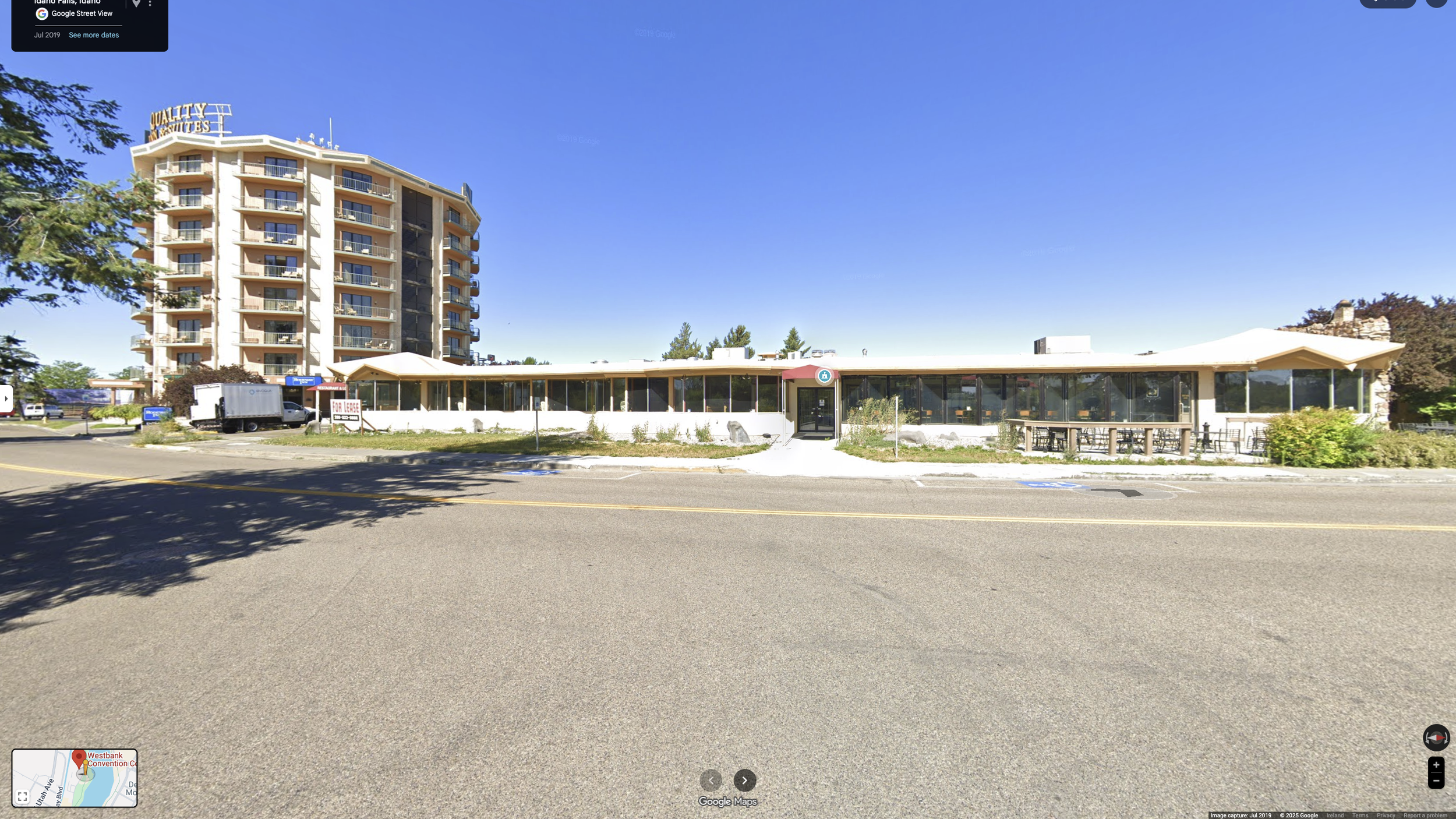
19_Room 125, Westbank Motel, Idaho Falls, Idaho, July 18, 1973: According to the internet the motel building was built in 1928 and in 2020 it was renovated and reopened as Westbank Convention Centre.
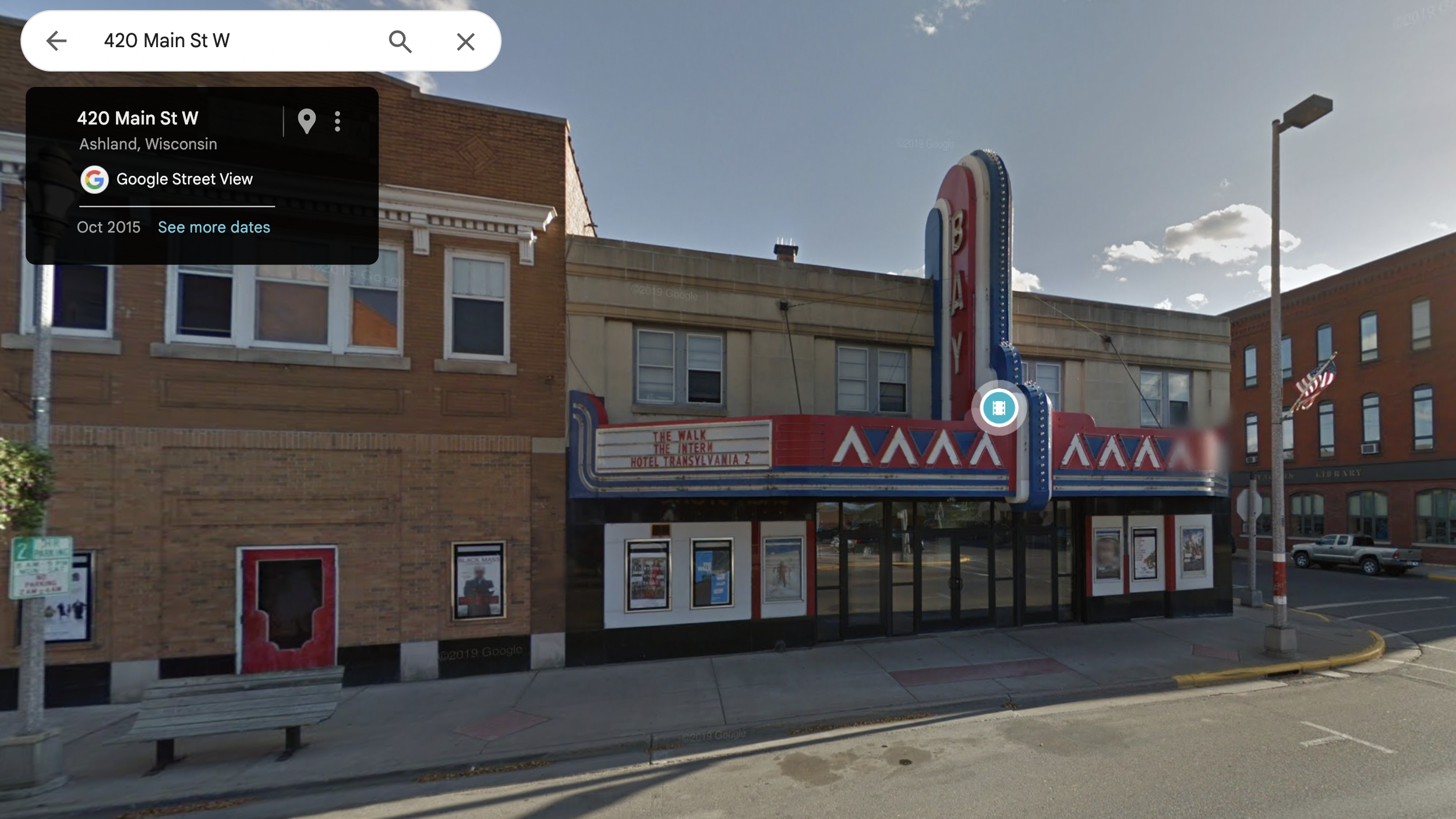
20_Second Street, Ashland, Wisconsin, July 9, 1973
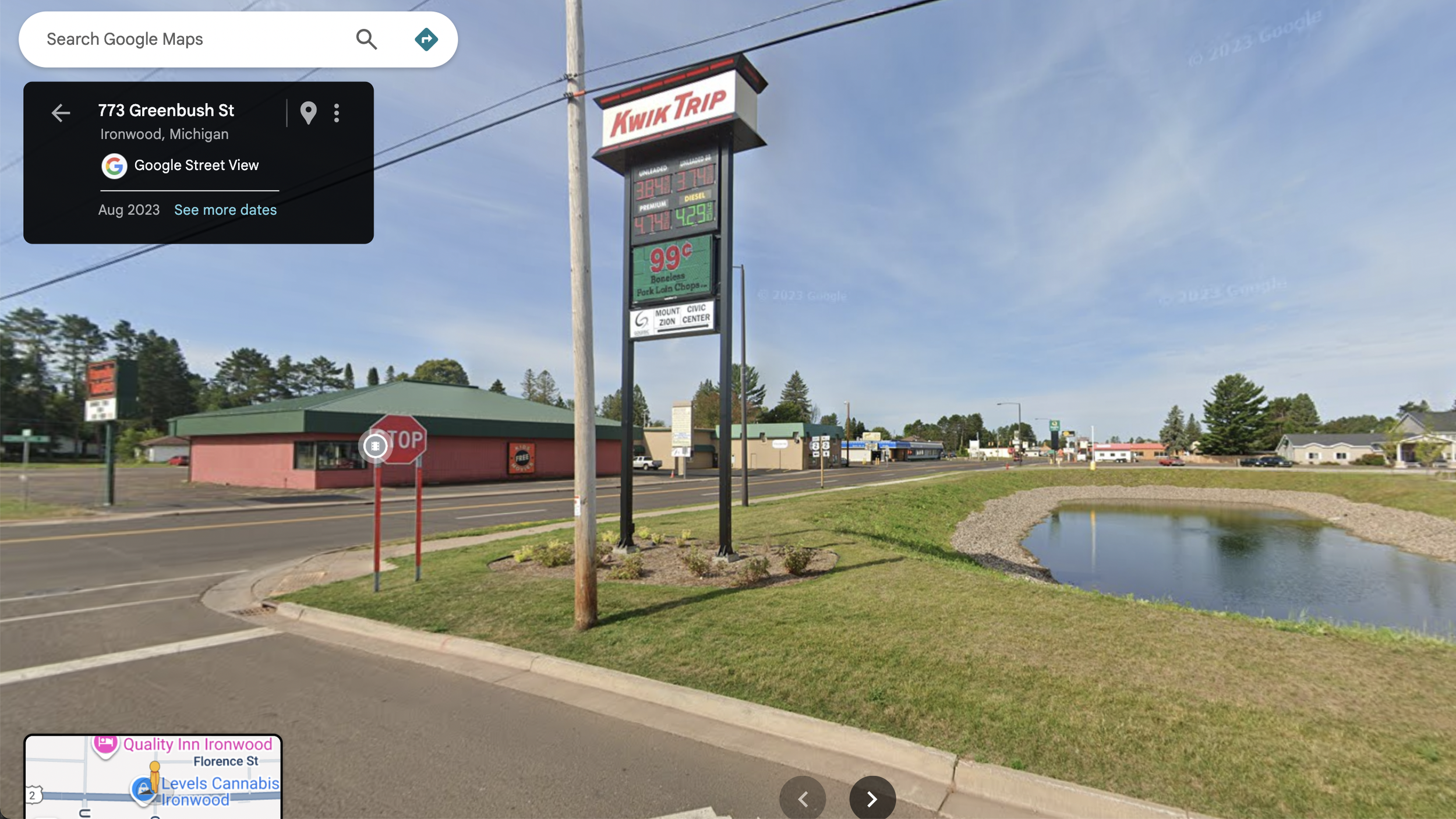
21_U.S. 2, Ironwood, Michigan, July 9, 1973
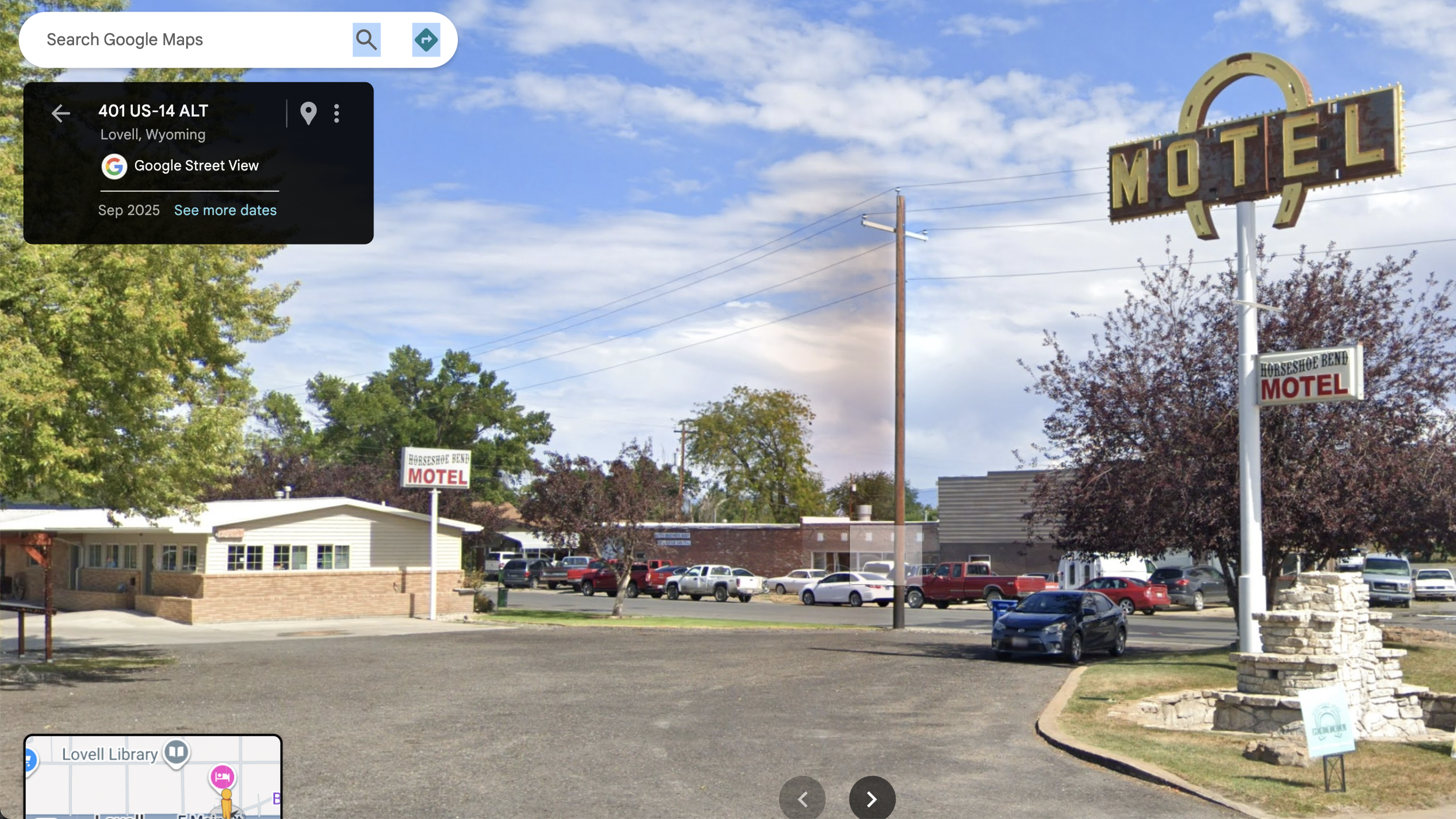
23_Horseshoe Bend Motel, Lowell, Wyoming, July 16, 1973. It was not possible to get the same angle because the Google car did not enter the carpark so the captured view from the sign looking in rather than the other way around.
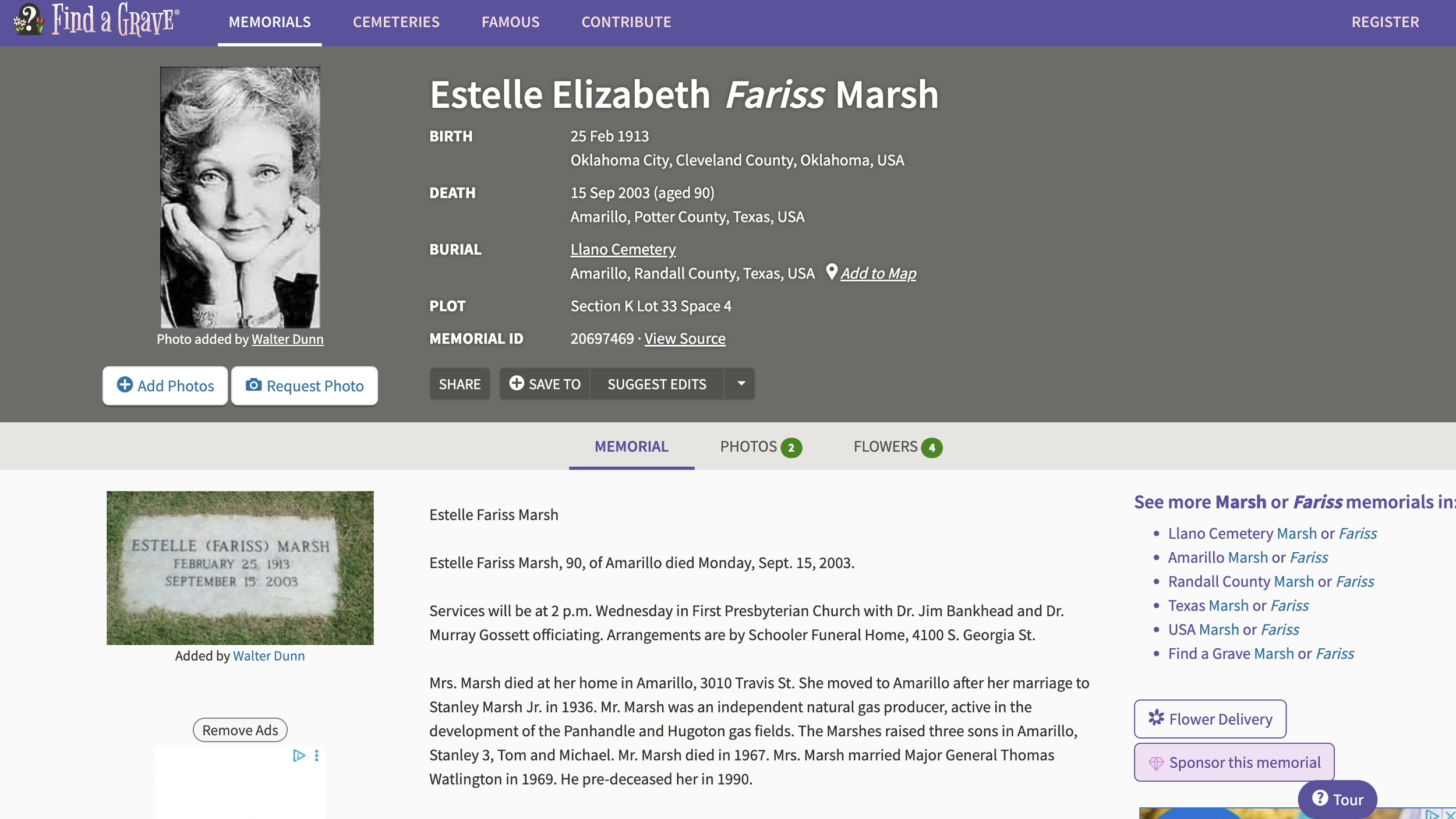
25_Estelle Marsh, Amarillo, Texas, August 18, 1973

27_Main Street and Second Avenue, Valley City, North Dakota, July 12, 1973

28_Room 30, Sun ‘n Sand Motel, Holbrook, Arizona, August 10, 1973: This Motel is directly across the road from the Wigwam Motel (pg 40) and is now called the Globetrotter Lodge.

29_U.S. 97, South of Klamath Falls, Oregon, July 21, 1973. The best shot at matching this exact location was by lining up the hills in the background, especially the land formation just visible on the left of the frame, however I was unable to find a good match and settled on a representative view with a similar feel.

30_Room 316, Howard Johnson’s, Battle Creek, Michigan, July 6, 1973. This is now a Red Roof Inn.
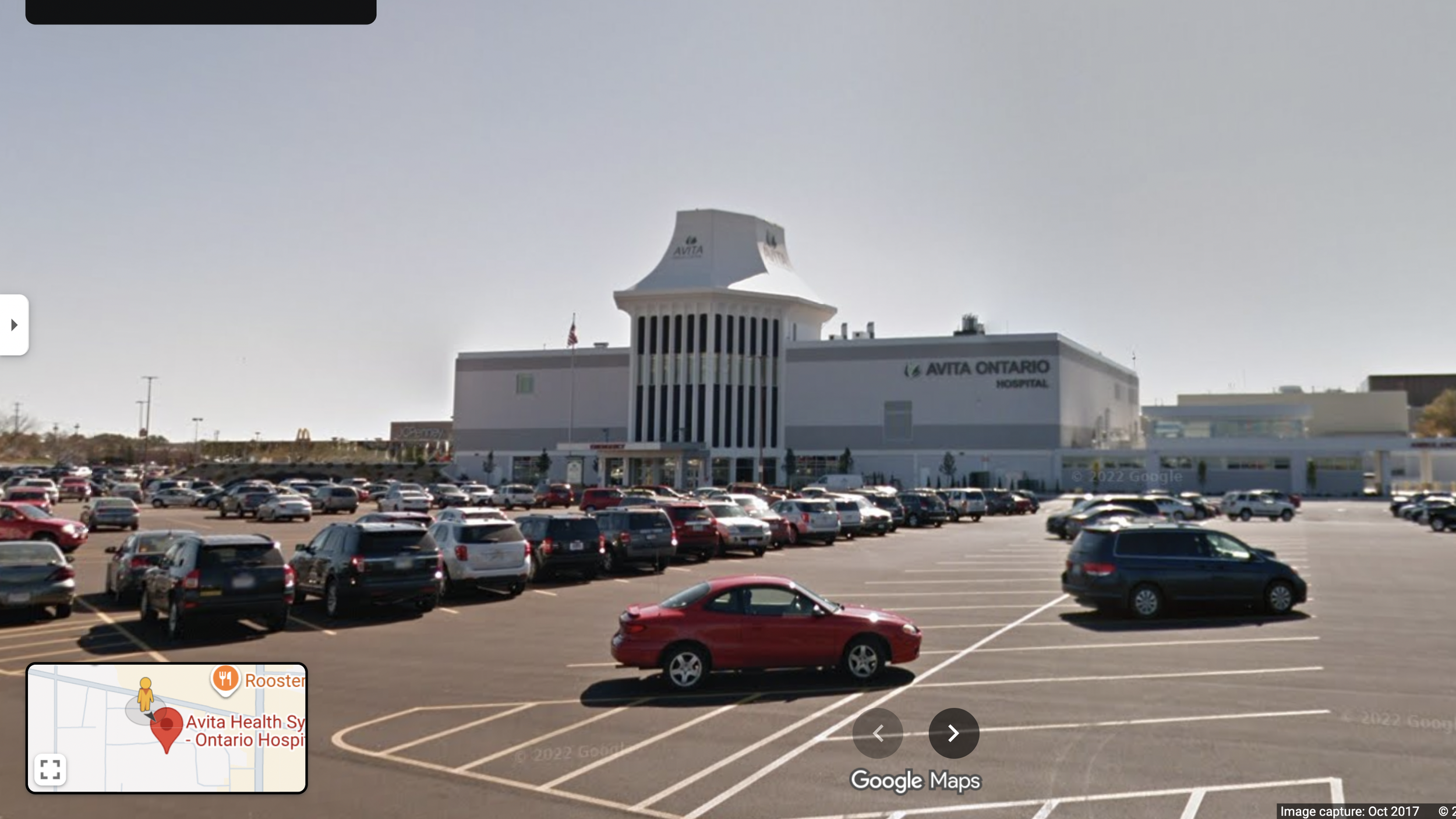
31_Richland Mall, U.S. 30, Mansfield Ohio, July 5, 1973. Now Avita Ontario Hospital.
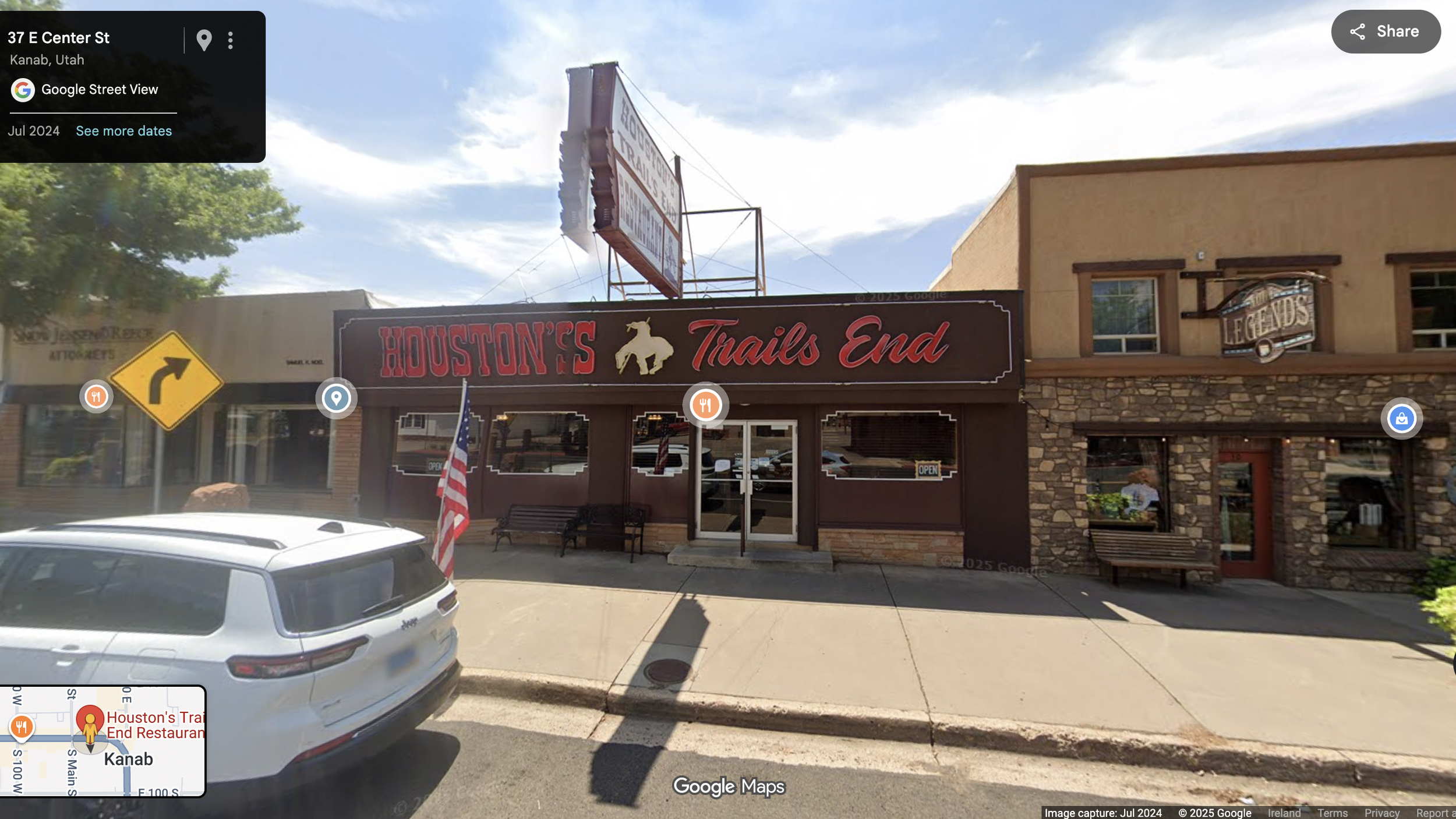
32_Trail’s End Restaurant, Kanab, Utah, August 10, 1973. Exterior.
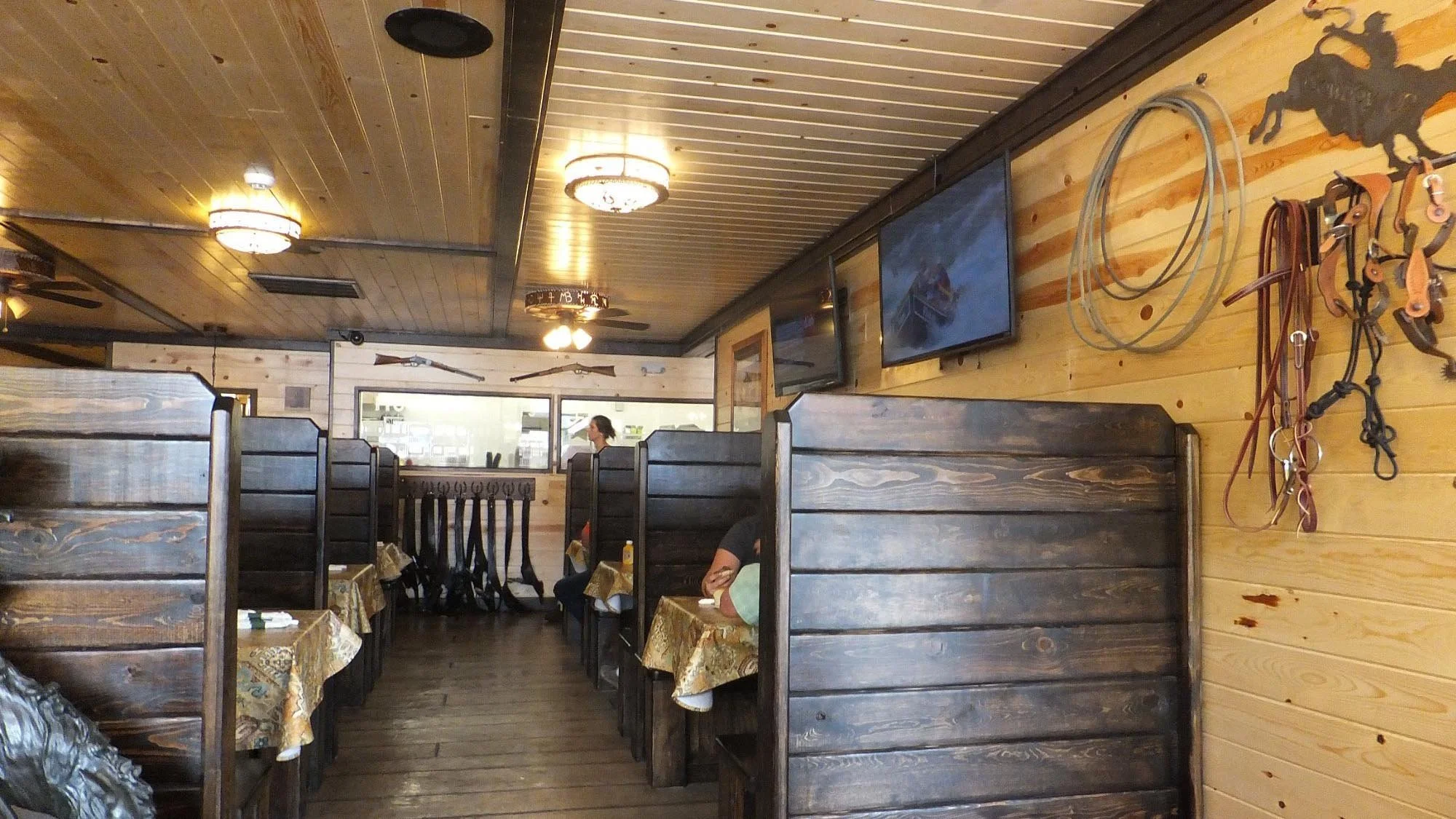
33_Trail’s End Restaurant, Kanab, Utah, August 10, 1973. Trip Advisor interior image by Sally Thoe Downs.

34_Mr. and Mrs. Hodisen, Michigan Avenue, Battle Creek, Michigan, July 6, 1973. For this one I focused on the building in the reflection and was eventually able to track it down, so this first shot is where I believe the couple were standing.
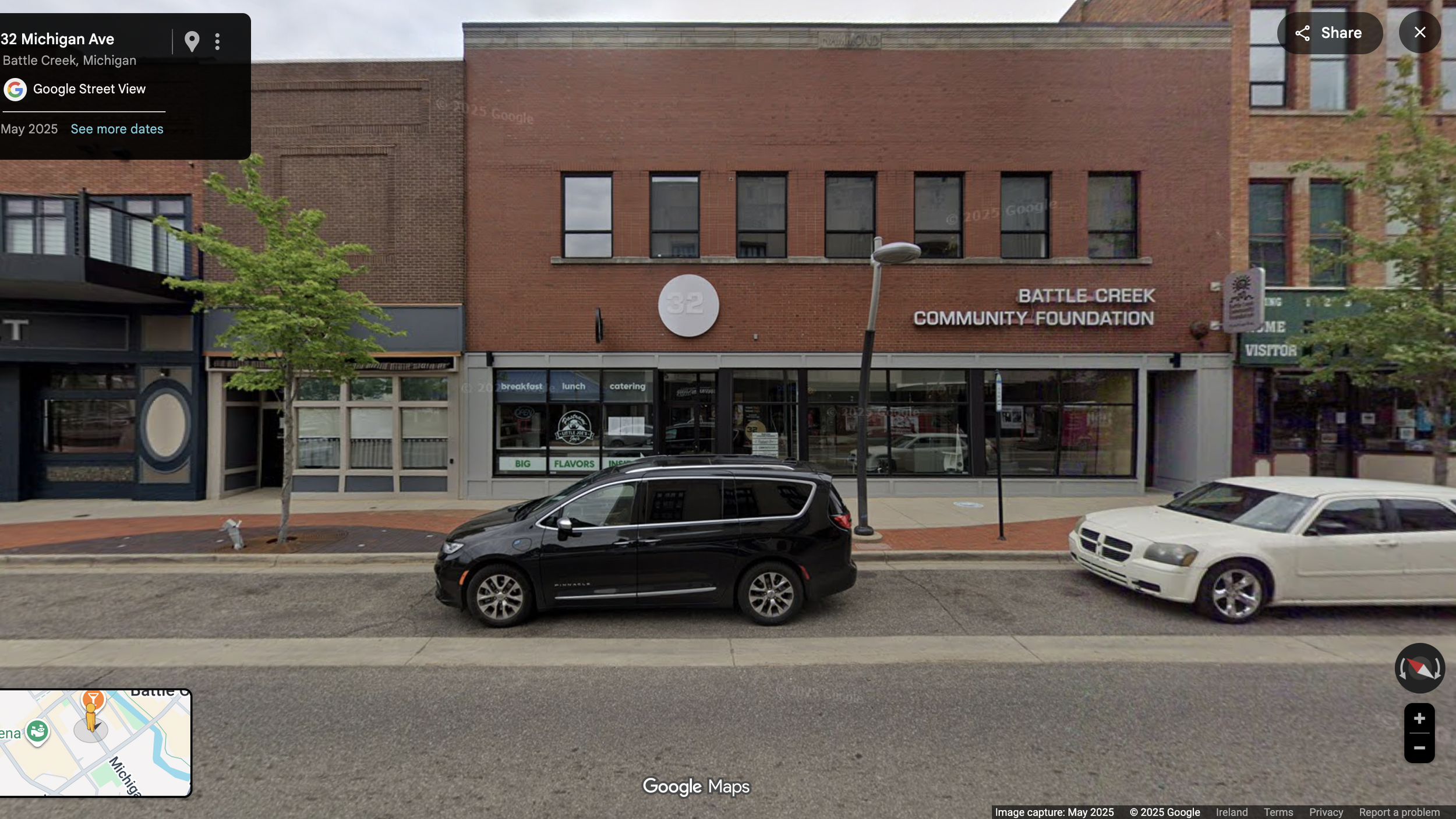
34_Mr. and Mrs. Hodisen, Michigan Avenue, Battle Creek, Michigan, July 6, 1973. The building in the reflection.

35_J.J. Summers Agency, First Street, Duluth, Minnesota, July 11, 1973. This took a lot of looking up and down the street and it came down to one small architectural detail. I also found a discussion online that confirmed it.
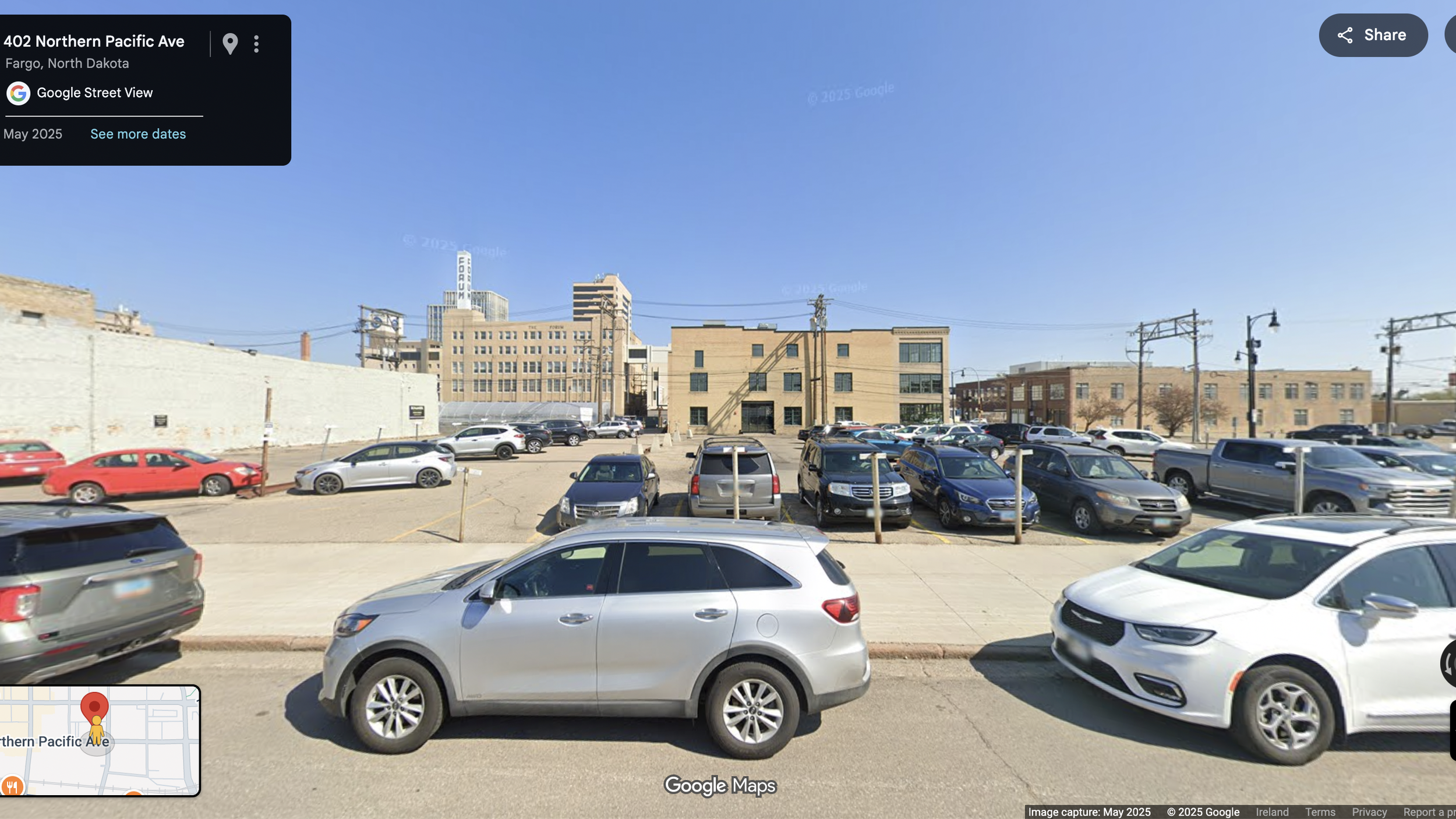
36_Faith Miracle Mission, 407 N.P. Avenue, Fargo, North Dakota, July 12, 1973. The building at this address has been demolished.
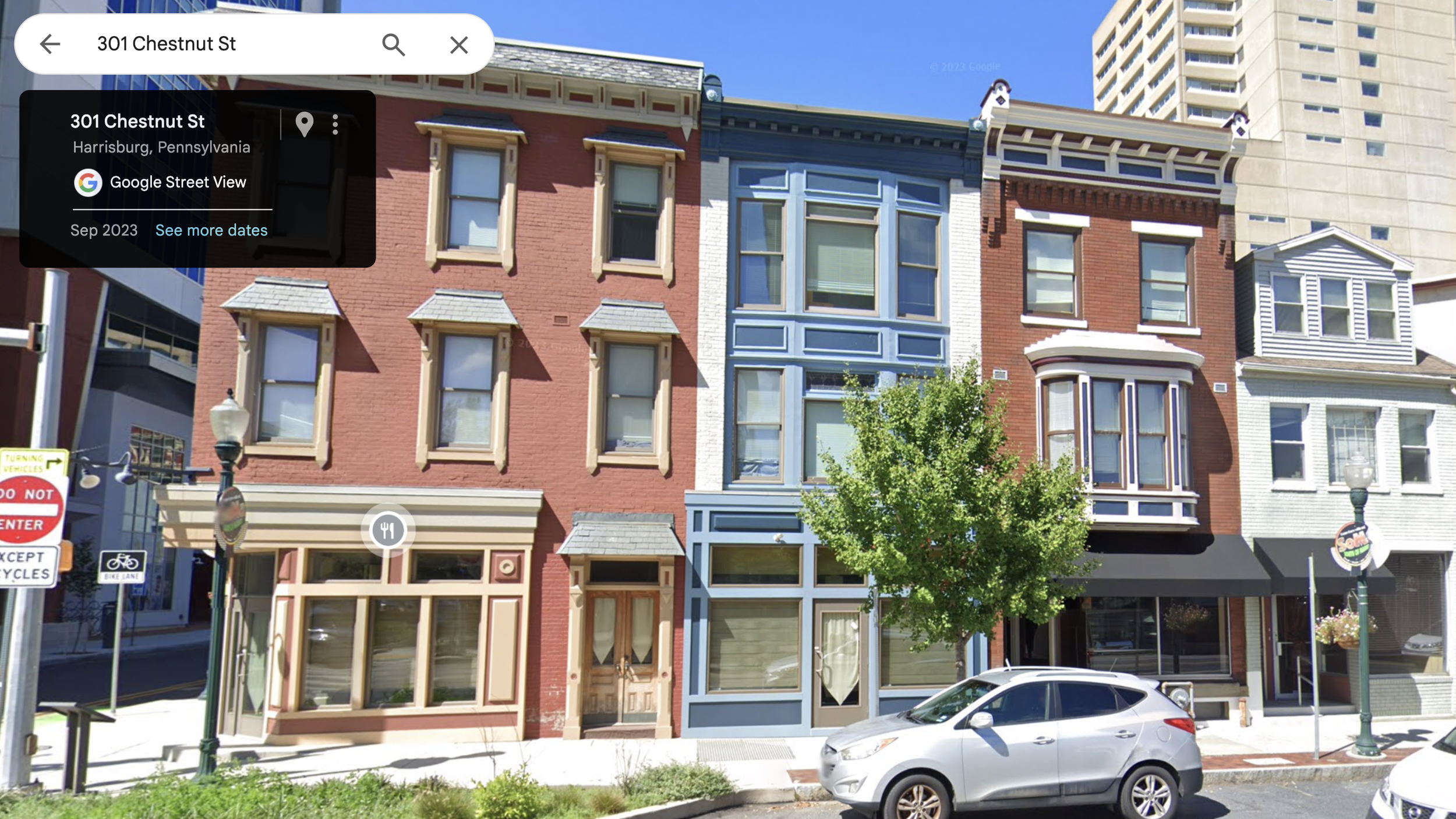
37_Sha-Mar Beauty Salon, Chestnut Street, Harrisburg, Pennsylvania, July 4, 1973
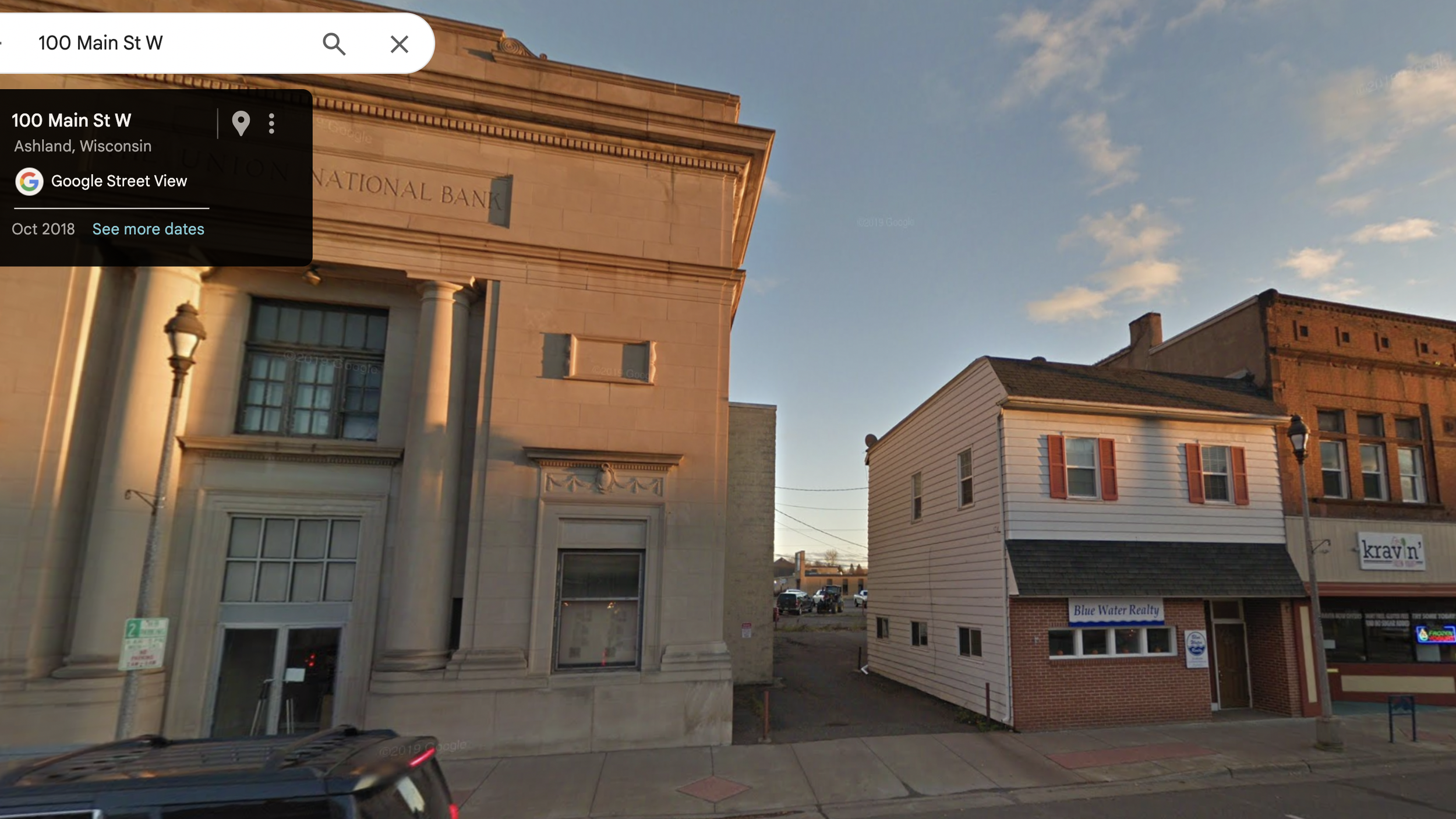
39_Second Street, Ashland, Wisconsin, July 9, 1973
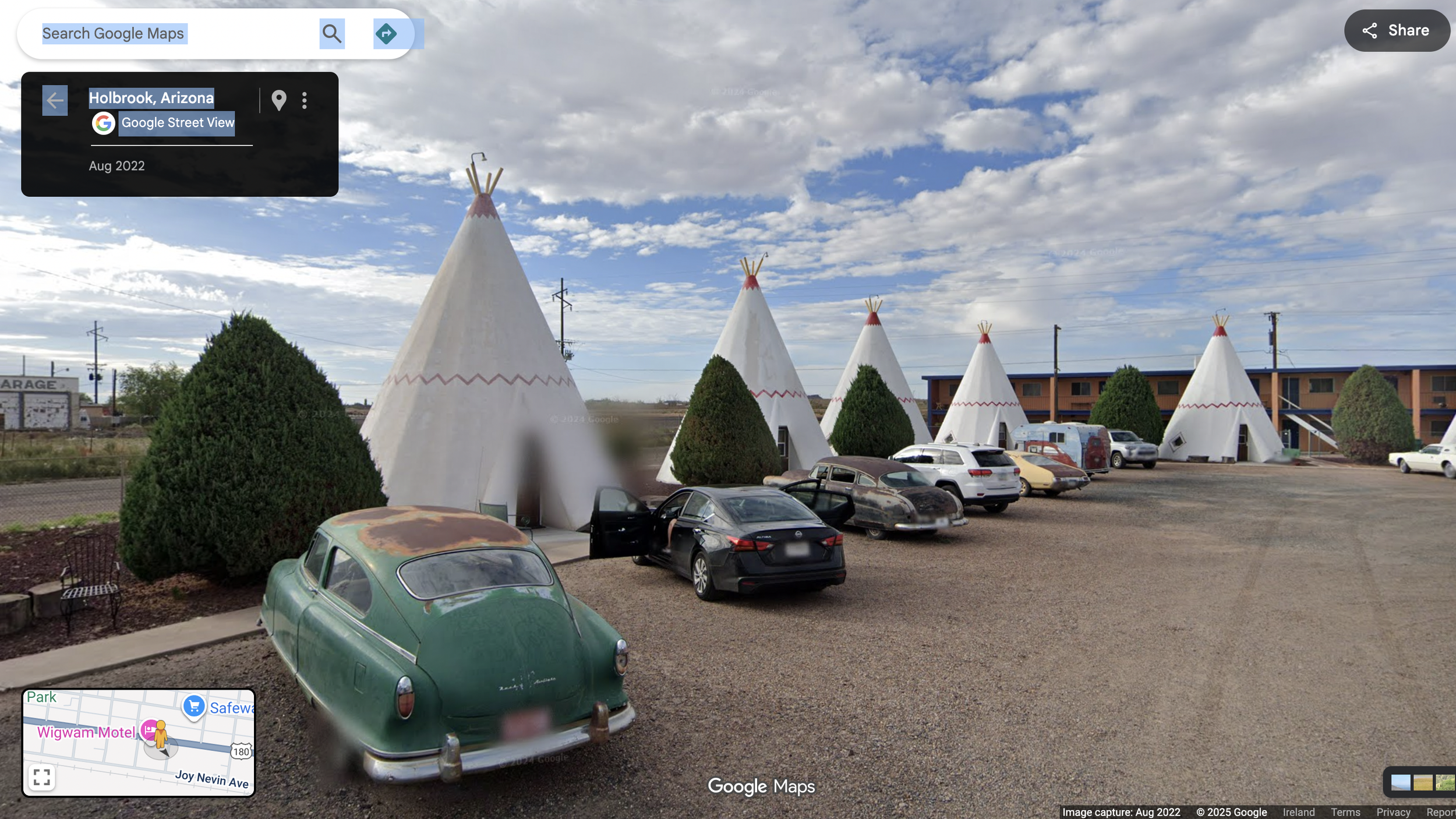
40_Wigwam Motel, Holbrook, Arizona, August 10, 1973

41_Alley Leading to Navajo Boulevard, Holbrook Arizona, August 10, 1973

44_Living Room, 100 Sunrise Avenue, Palm Beach, Florida, October 28, 1973

47_Crosby Street and Grand Street, New York, February 24, 1974
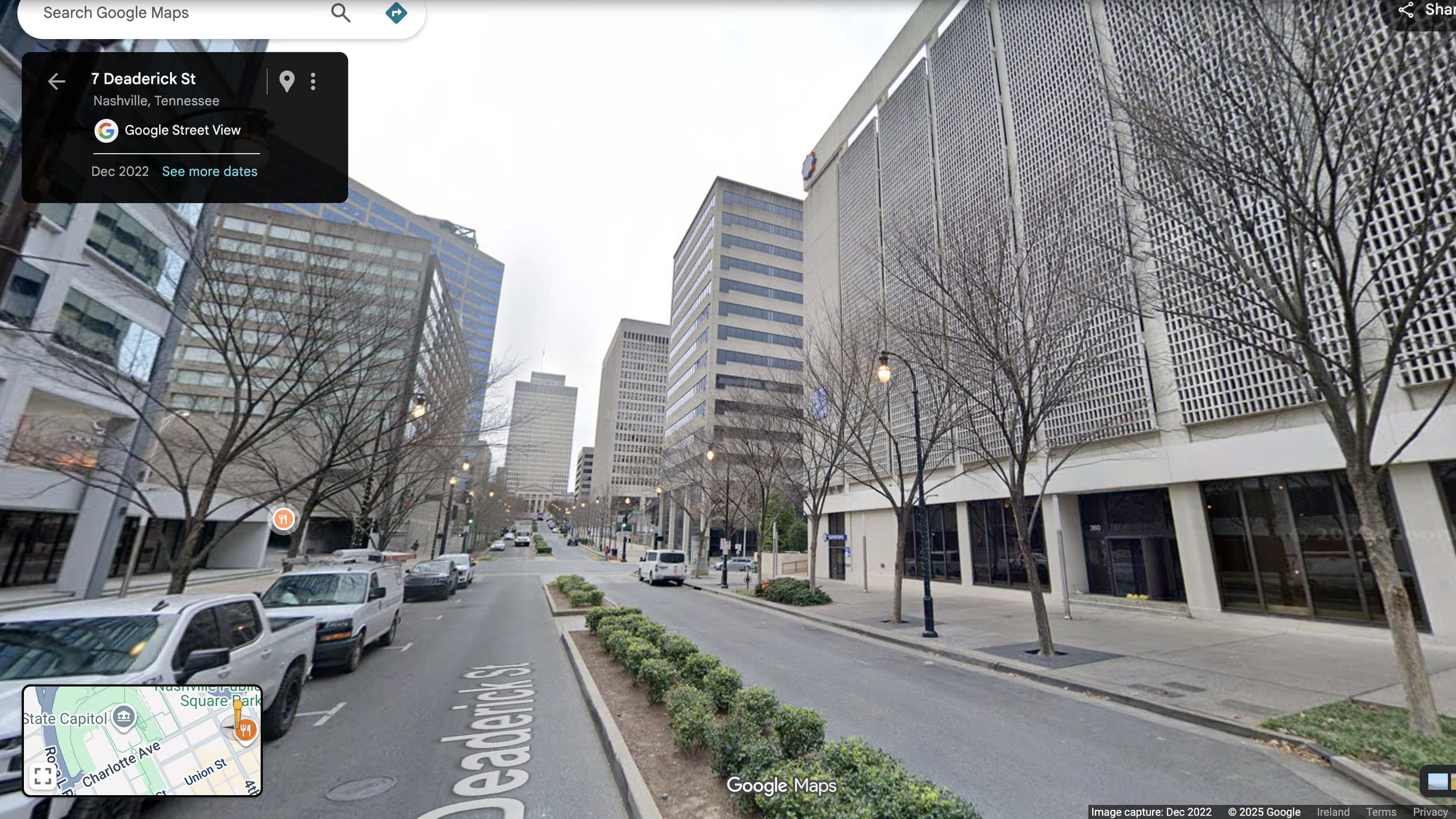
48_Deaderick Street, Nashville, Tennessee, May 2, 1974

51_West Fifthteenth Street and Vine Street, Cincinnati, Ohio, May 15, 1974

53_Town & Country Restaurant, Parkersburg, West Virginia, May 16, 1974. I had given up on this one, then the internet told me that the full title is Town & Country Restaurant, East 7th Street, Parkersburg, West Virginia, May 16, 1974. There is a new-build Omelette Shoppe on the street but the view out of the window of Shore’s photo looks very different which could be explained by the upgrading of the road.

55_Church Street and Second Street, Easton, Pennsylvania, June 20, 1974
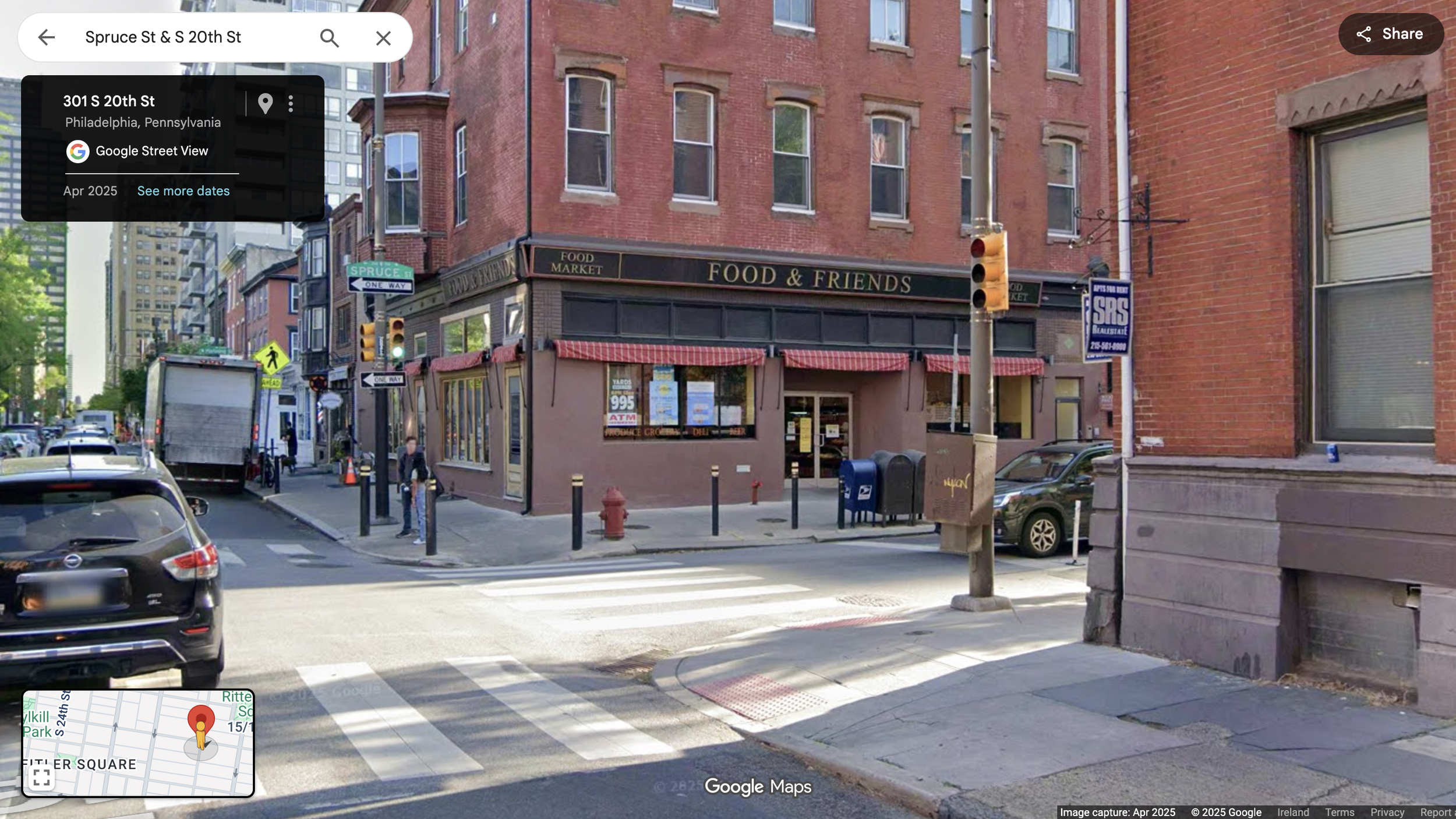
56_Twentieth Street and Spruce Street, Philadelphia, Pennsylvania, June 21, 1974

57_Twenty-First Street and Spruce Street, Philadelphia, Pennsylvania, June 21, 1974

59_ Alexandra and Vincent Crapanzano, Castine, Maine, July 20, 1974
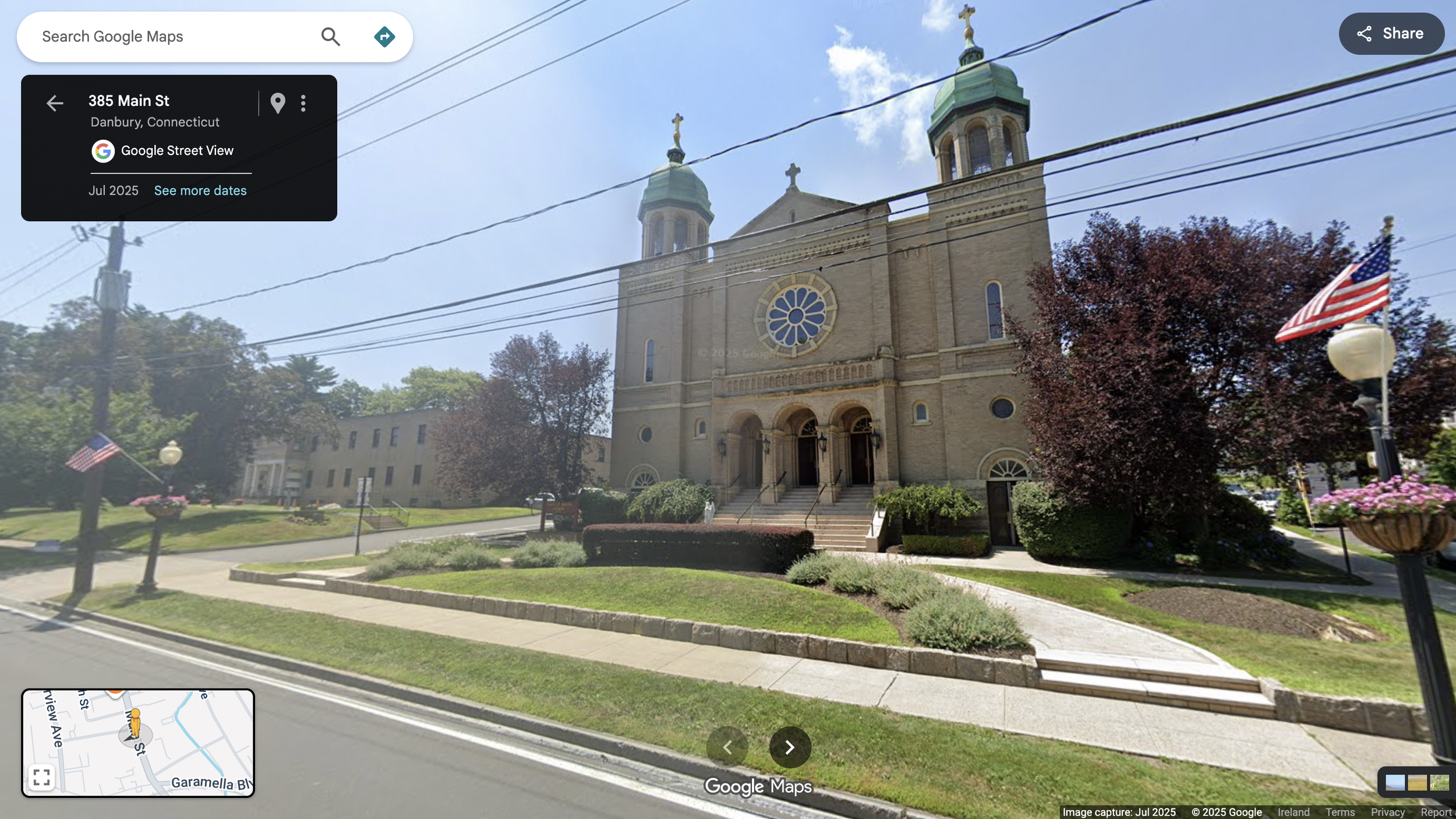
61_Main Street, Danbury, Connecticut, July 12, 1974

62_Bridge Street, Mexico, Maine, July 30, 1974

63_Mount Blue Shopping Center, Farmington Maine, July 30, 1974. Later Big Lots.
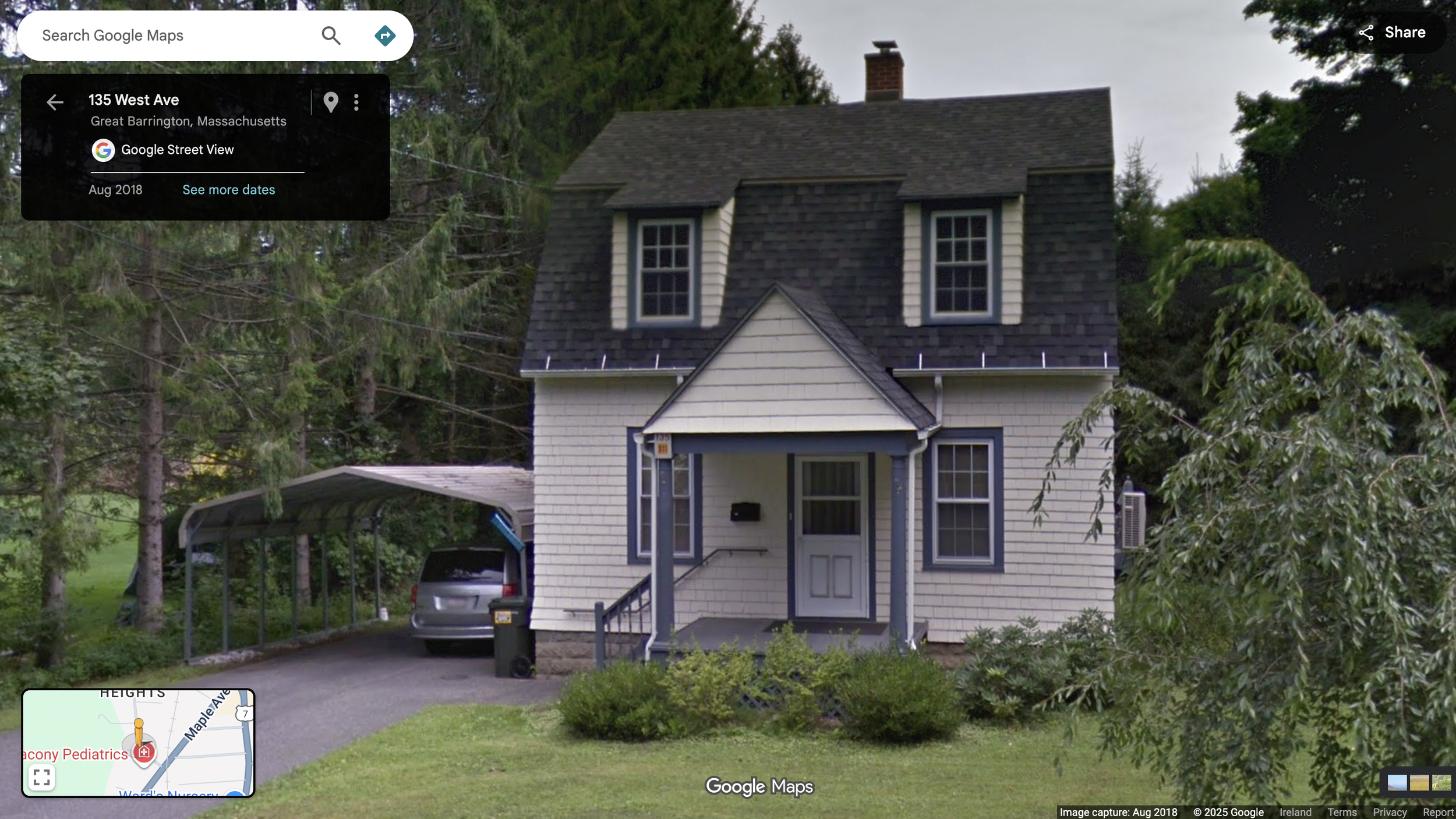
67_West Avenue, Great Barrington, Massachusetts, July 12, 1974
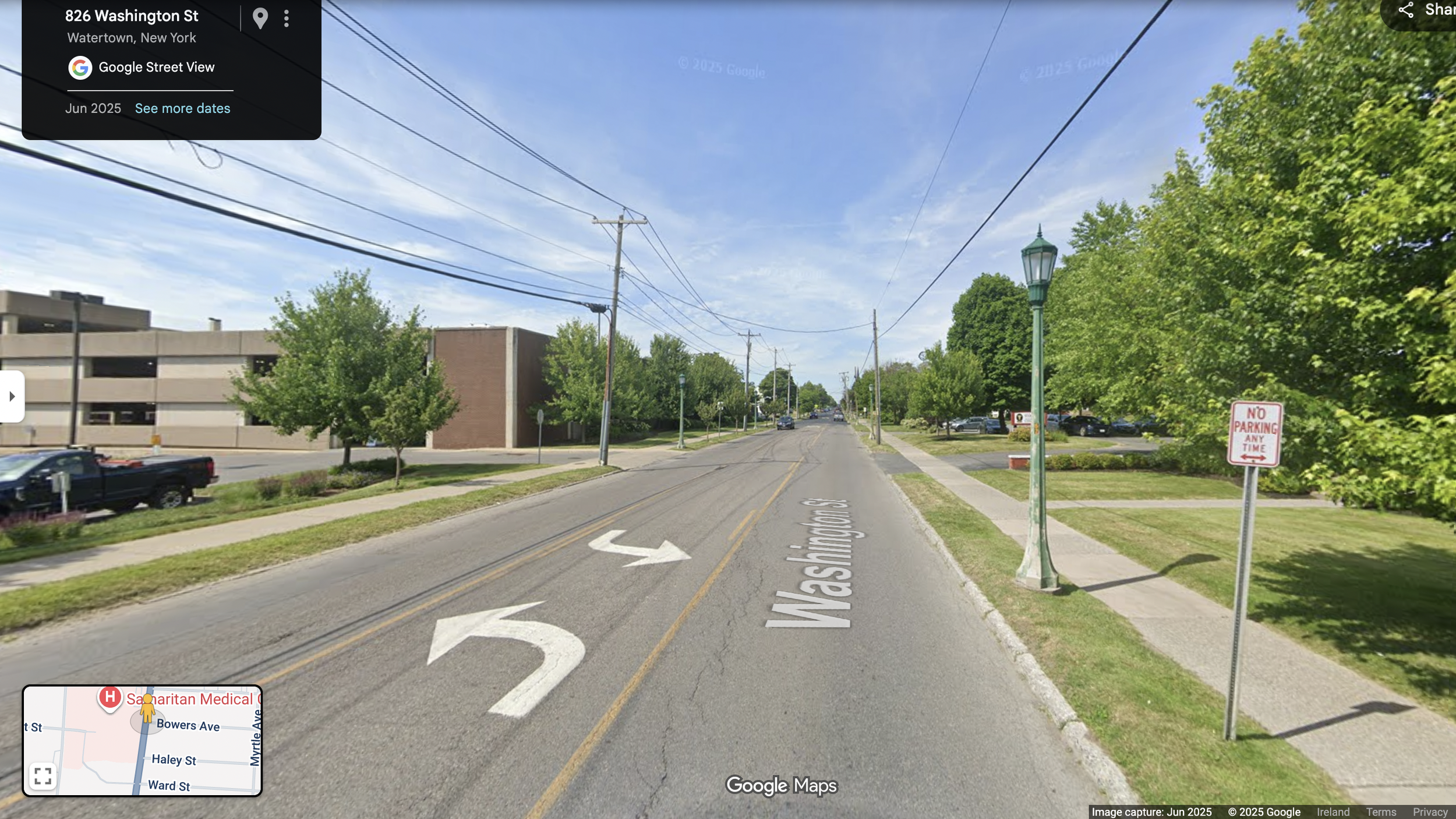
69_Washington Street, Waterstown, New York, August 1, 1974
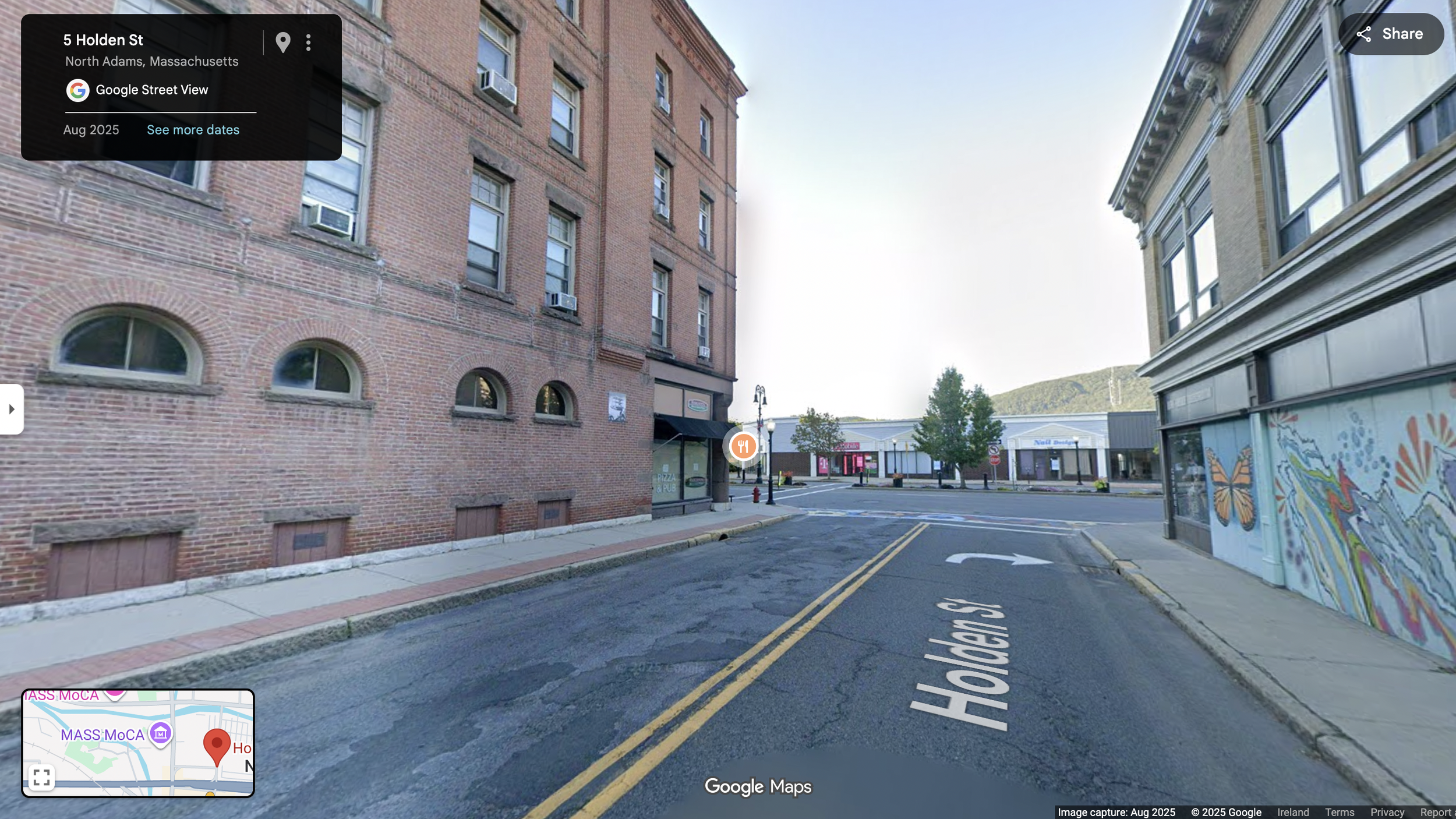
71_Holden Street, North Adams, Massachusetts, July 13, 1974
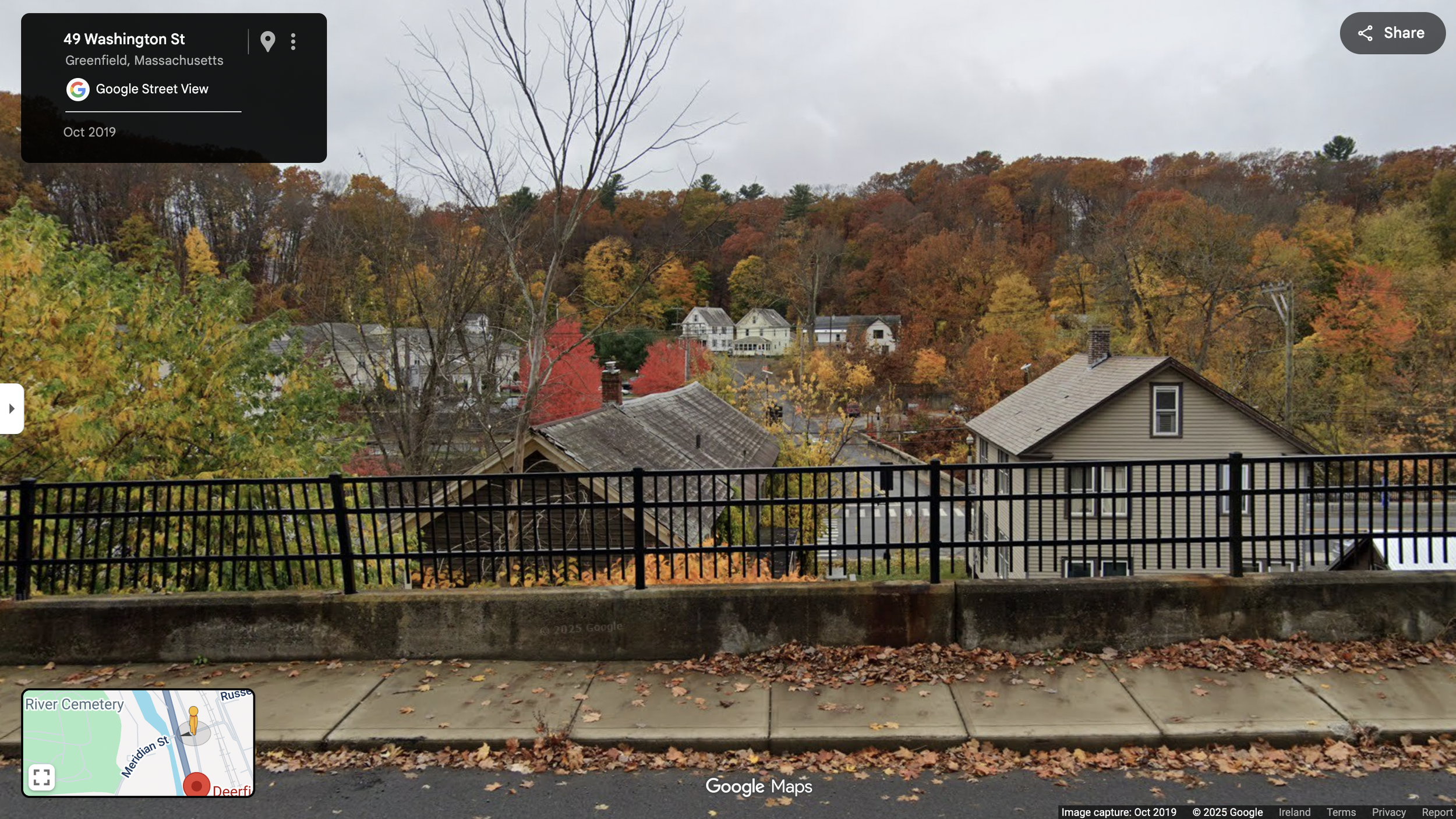
72_Deerfield Street, Greenfield, Massachusetts, July 15, 1974
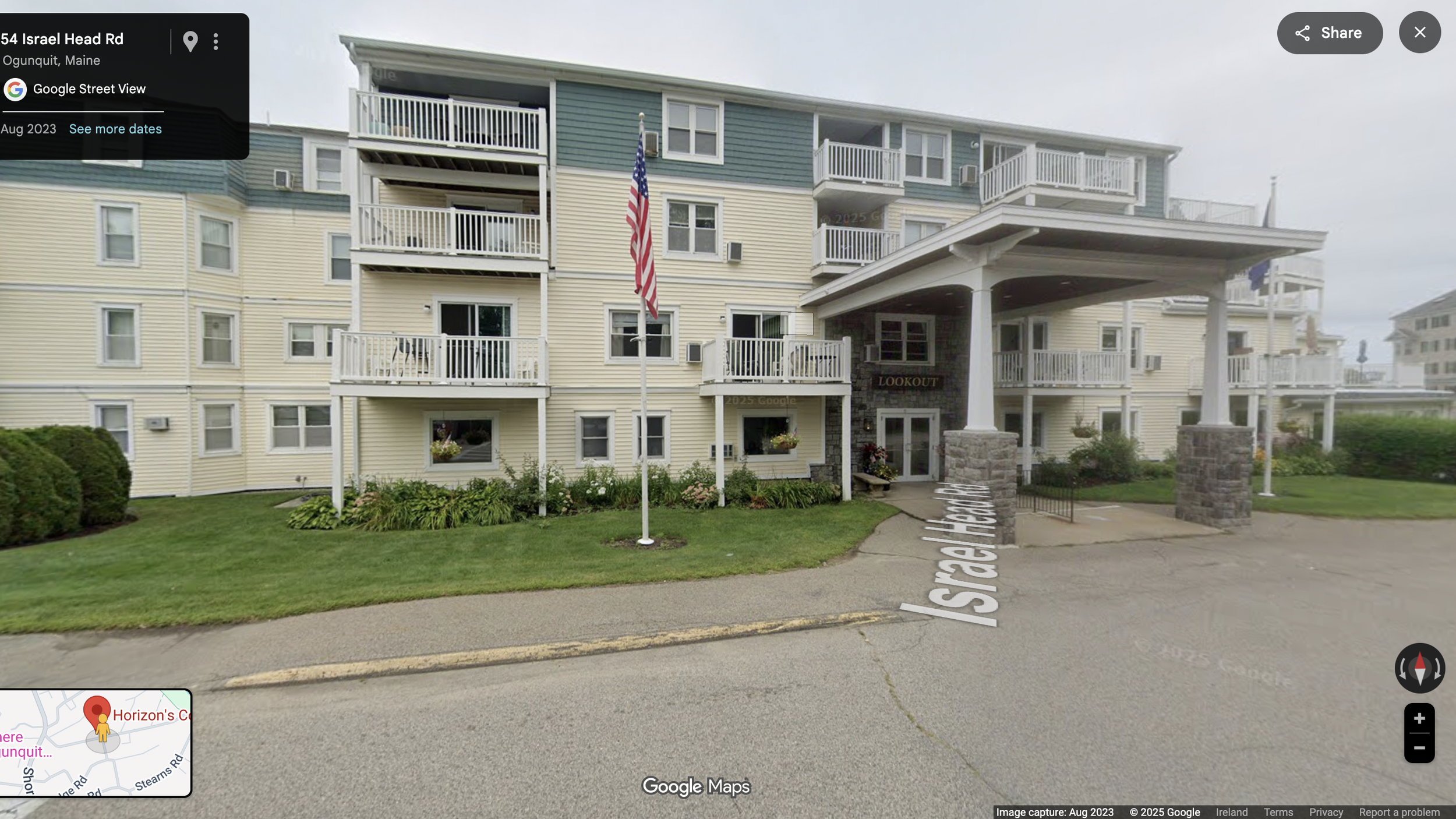
75_Lookout Hotel, Oguinquit, Maine, July 16, 1974. Sold in 1977 and converted to condominiums.
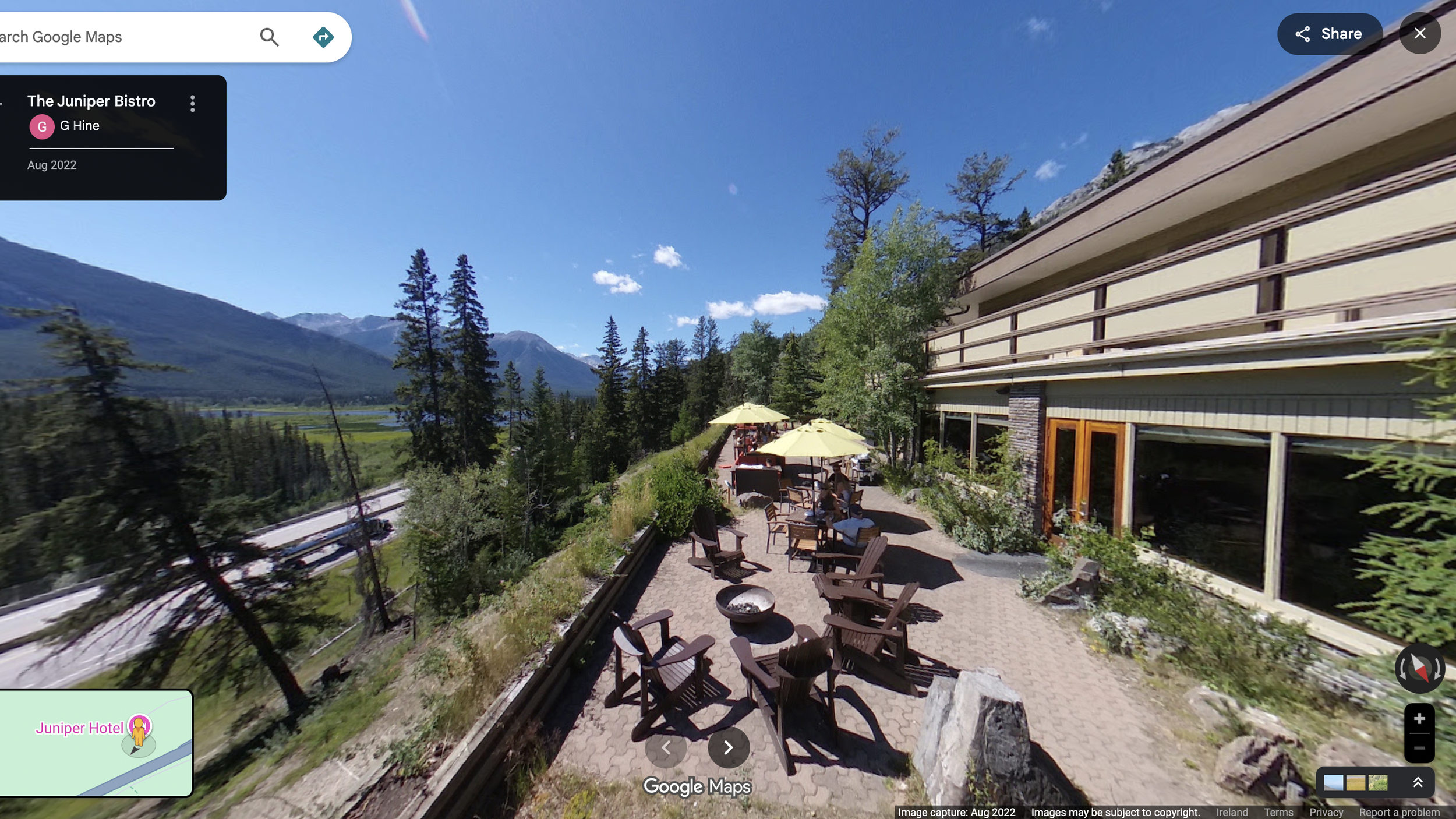
76_Room 34, Timberline Motel, Banff, Alberta, August 20, 1974. Now The Juniper Hotel.
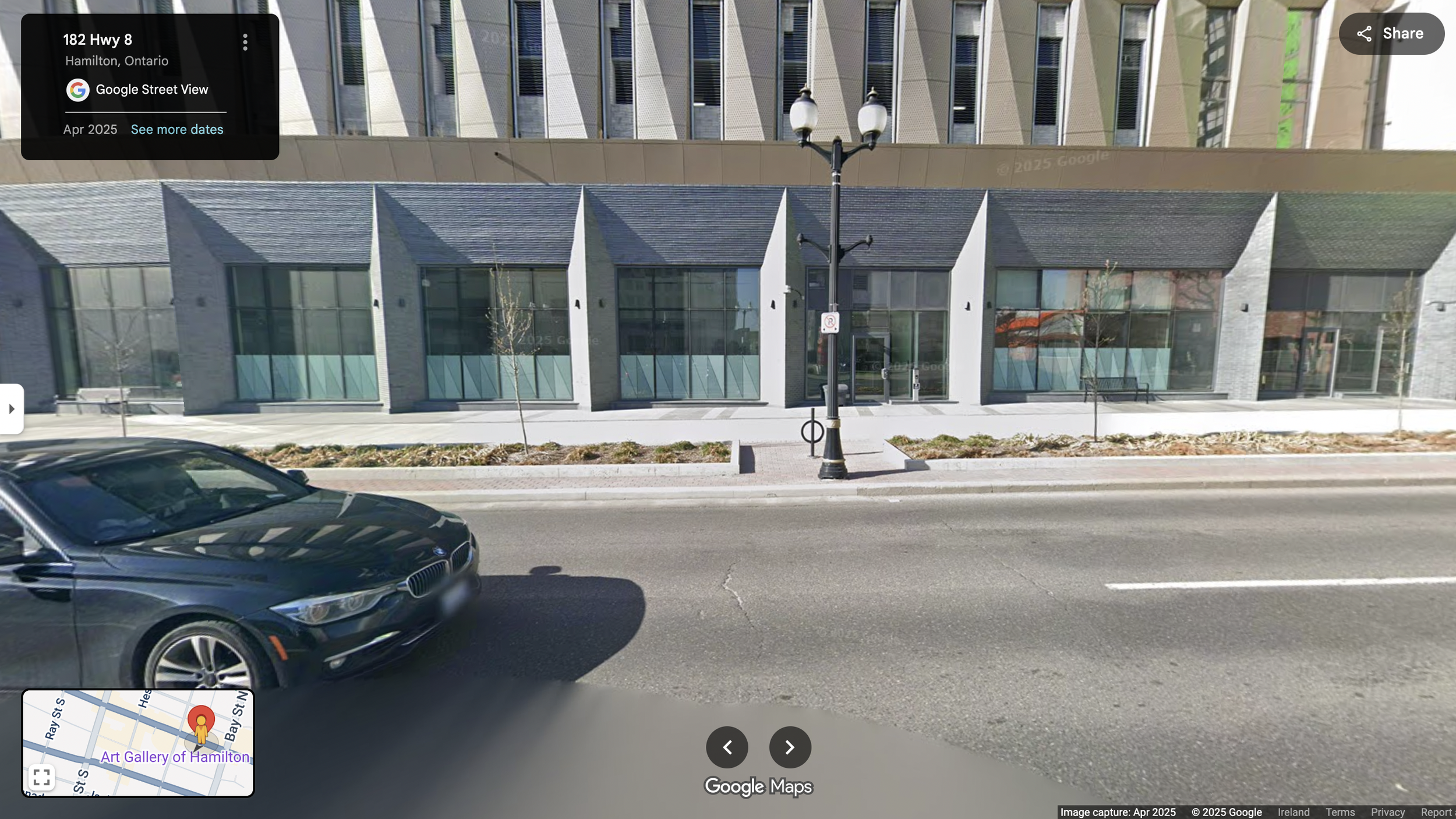
77_King Street, Hamilton, Ontario, August 9, 1974. It appears that the architect of the new build paid homage to the former shopfronts in the design.

78_Room 28, Holiday Inn, Medicine Hat, Alberta, August 18, 1974

79_Wilde Street and Colonization Avenue, Dryden, Ontario, August 15, 1974. Actually Memorial Avenue

80_Room 105, Kitchener Motel, Parry Sound, Ontario, August 11, 1974. Now the Parry Sound Inn & Suites.

81_Room 12, Harbour View Motel, Kenora, Ontario, August 15, 1974. Now the LakeVu Restaurant and Motel.
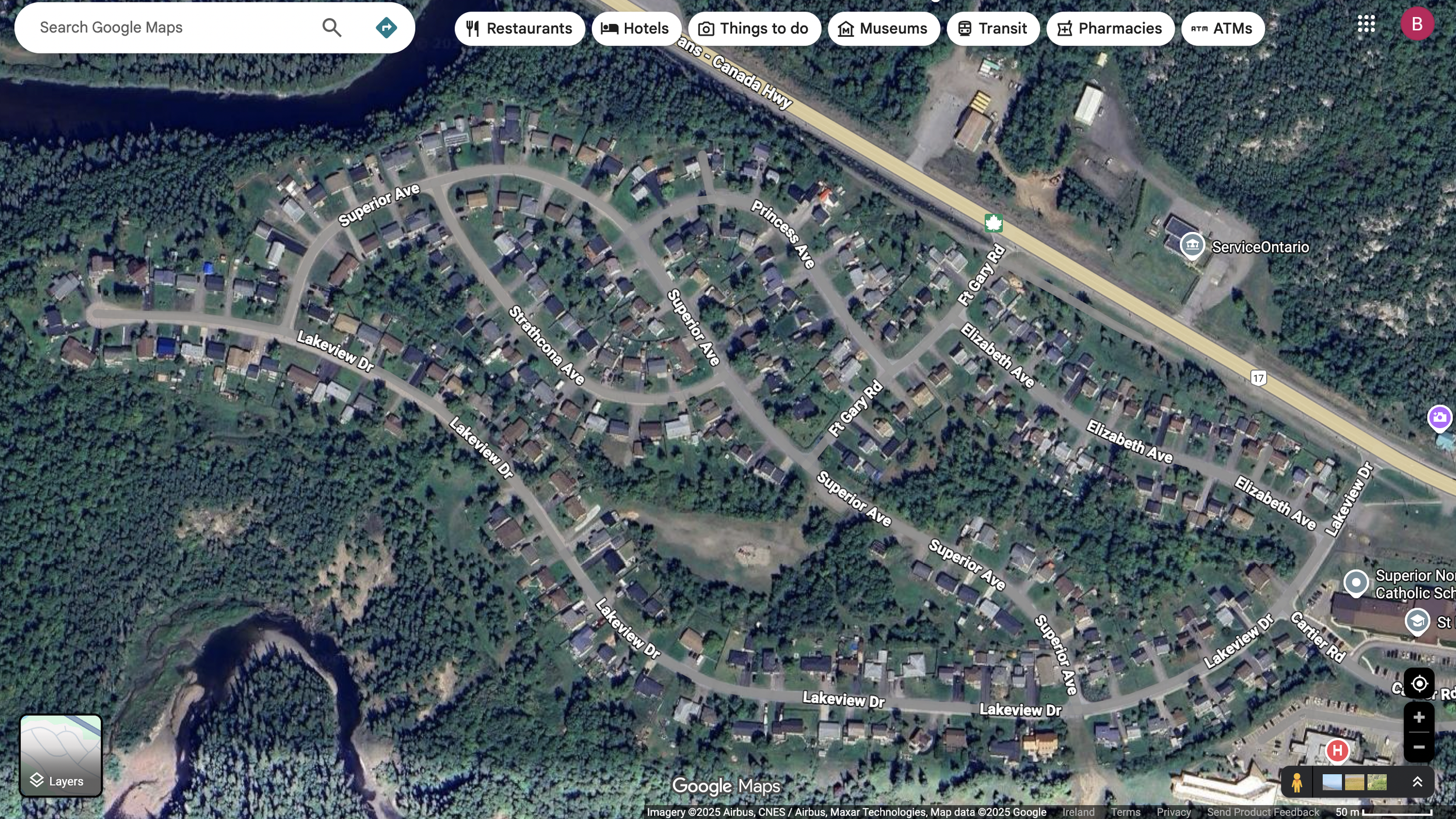
82_Terrace Bay, Ontario, August 14, 1974. The house type is common in the area but I could not find an exact match. I was going off the position of the chimney and the distinctive garage to the side. It is possible that the house was heavily remodelled or replaced.
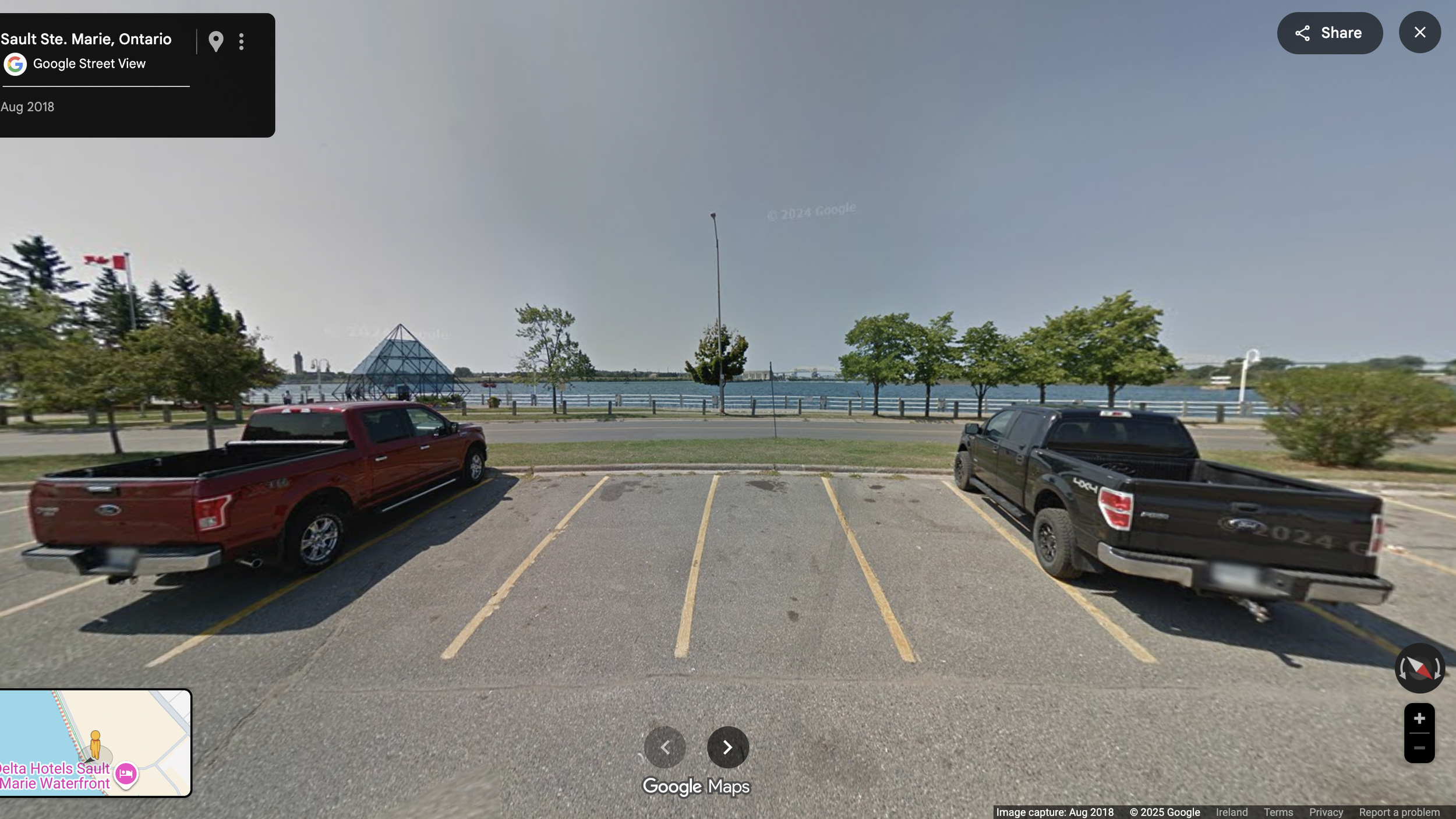
83_Salt Site, Marie, Ontario, August 13, 1974
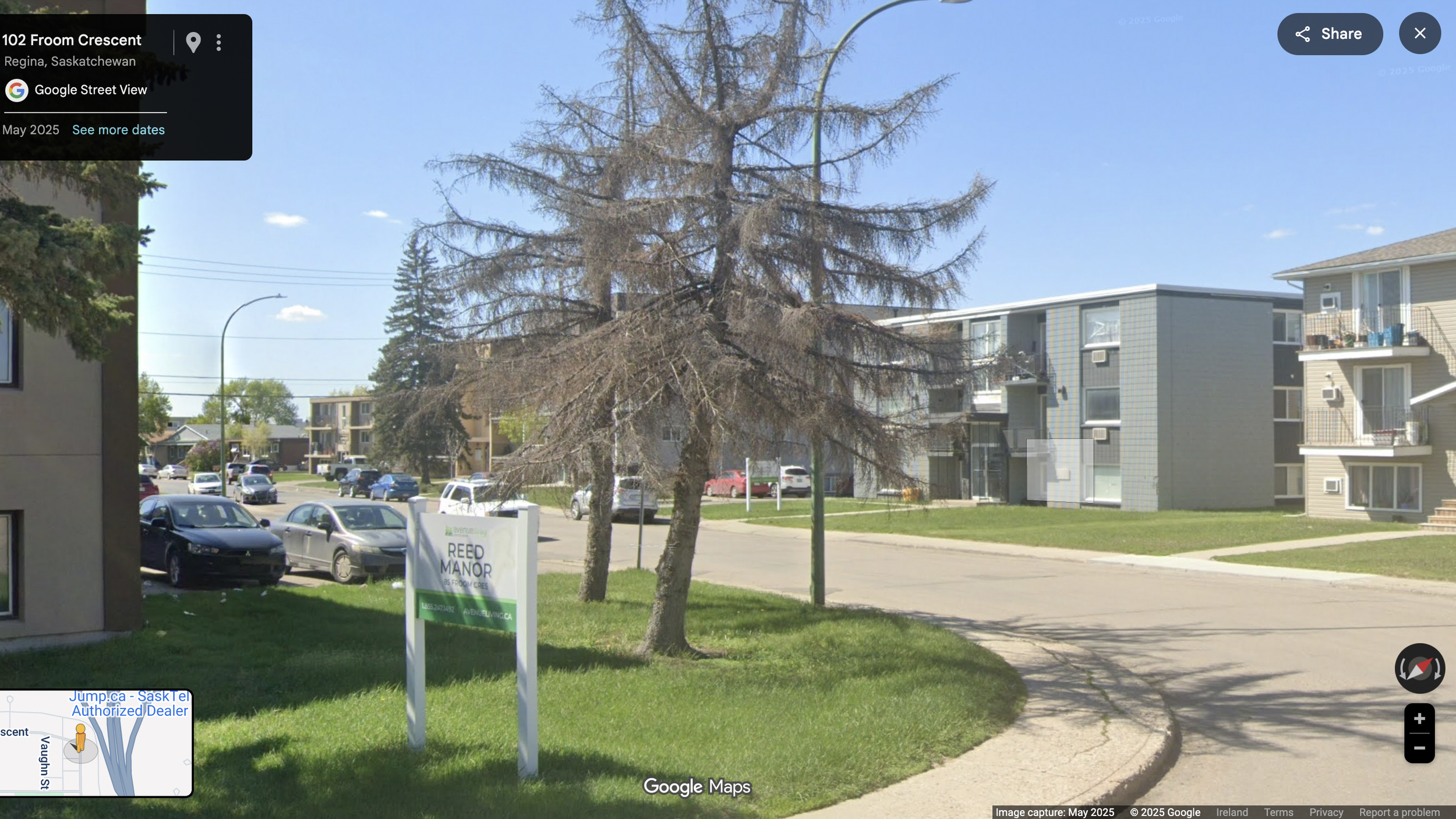
84_Froom Crescent, Regina, Saskatchewan, August 17, 1974
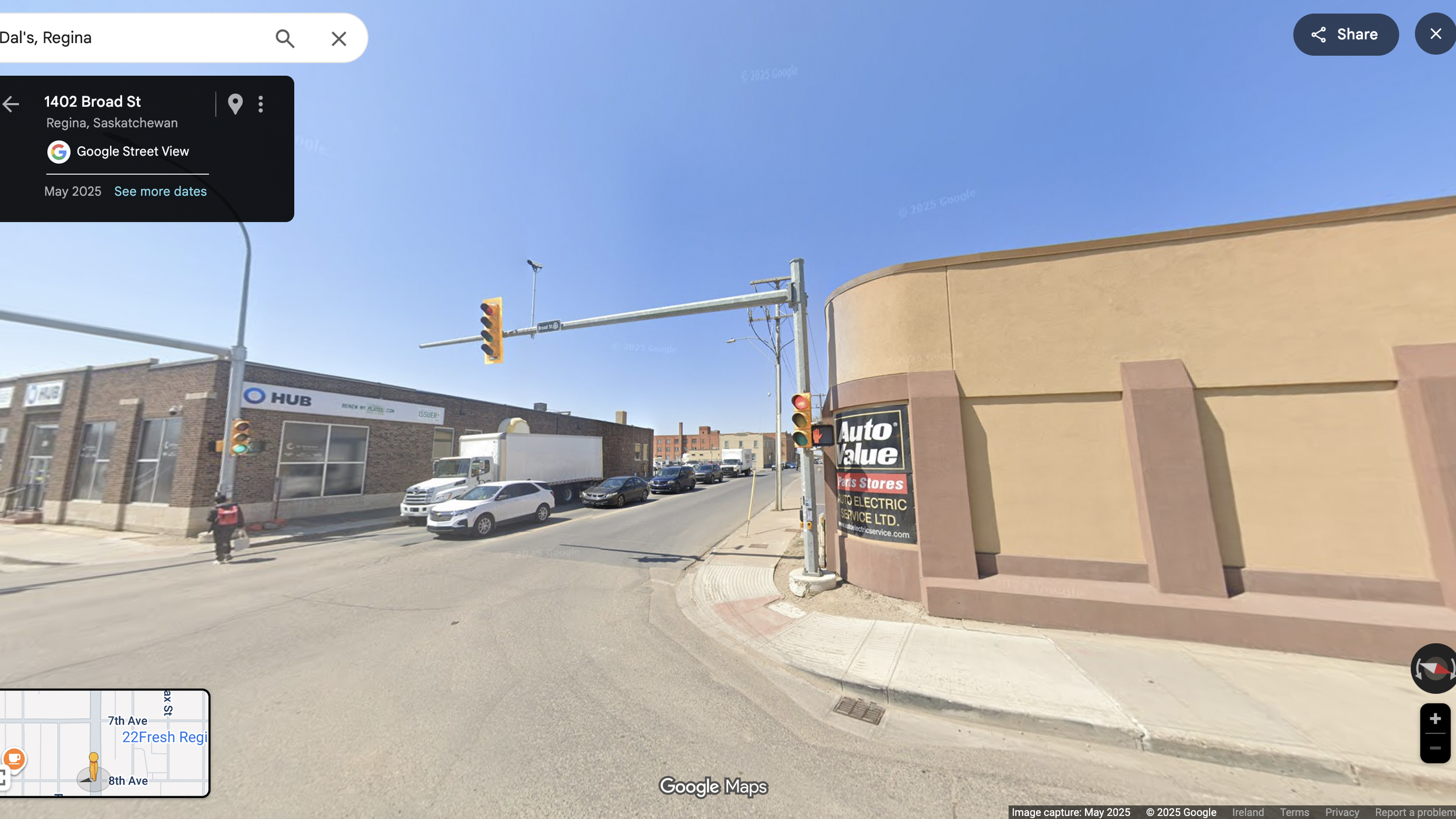
84_Froom Crescent, Regina, Saskatchewan, August 17, 1974
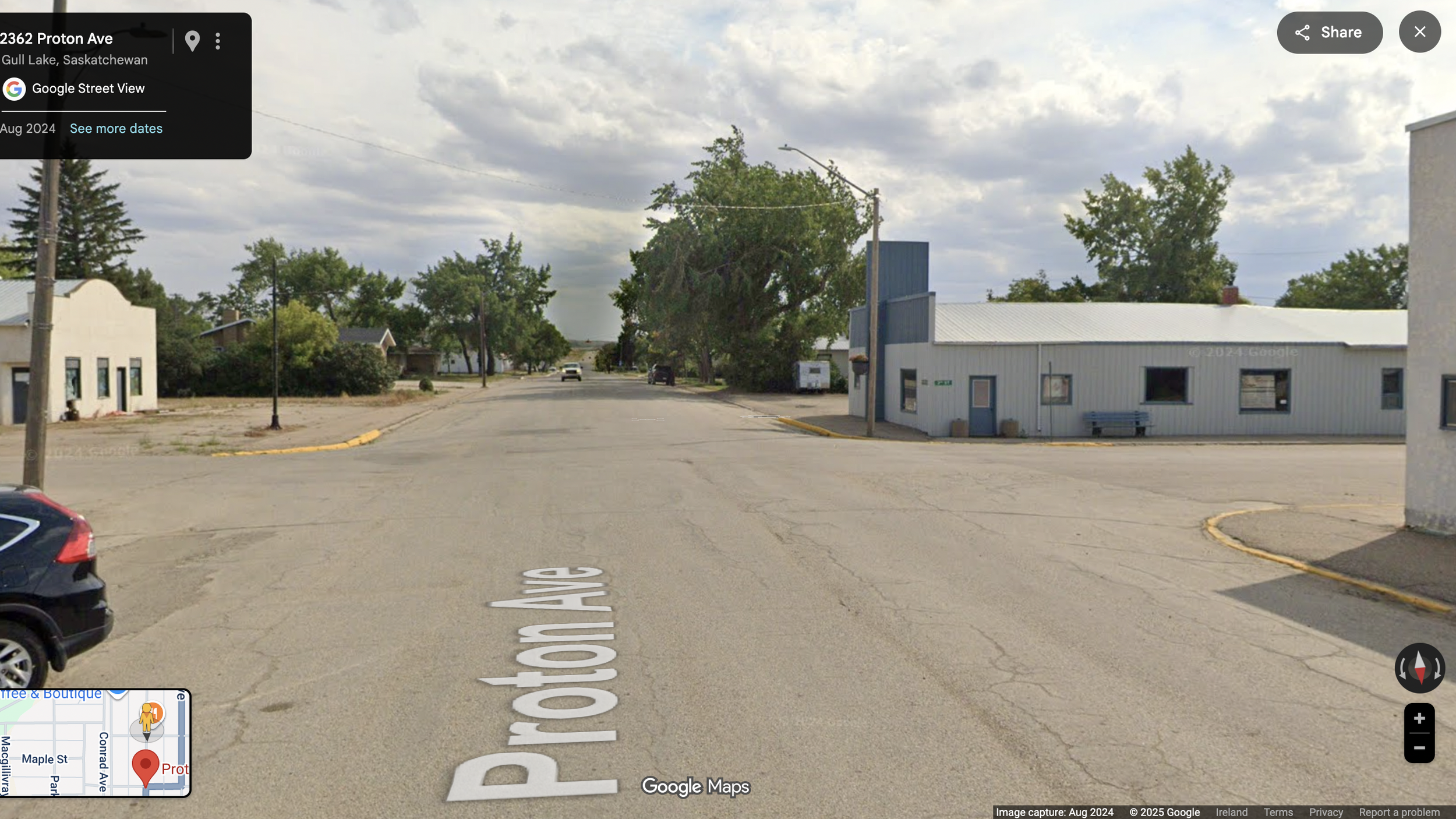
86_Proton Avenue, Gull Lake, Saskatchewan, August 18, 1974
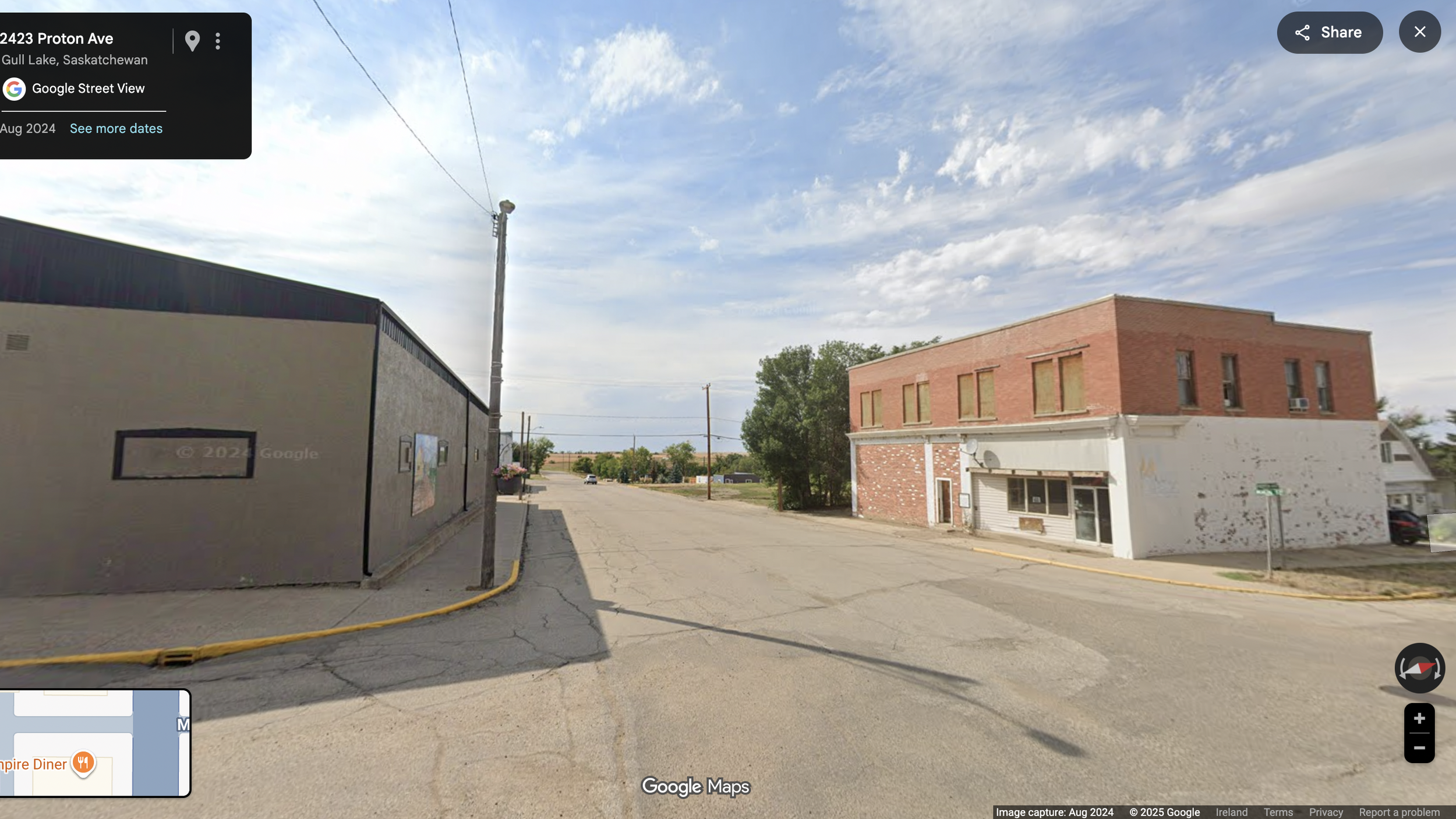
87_Main Street, Gull Lake, Saskatchewan, August 18, 1974
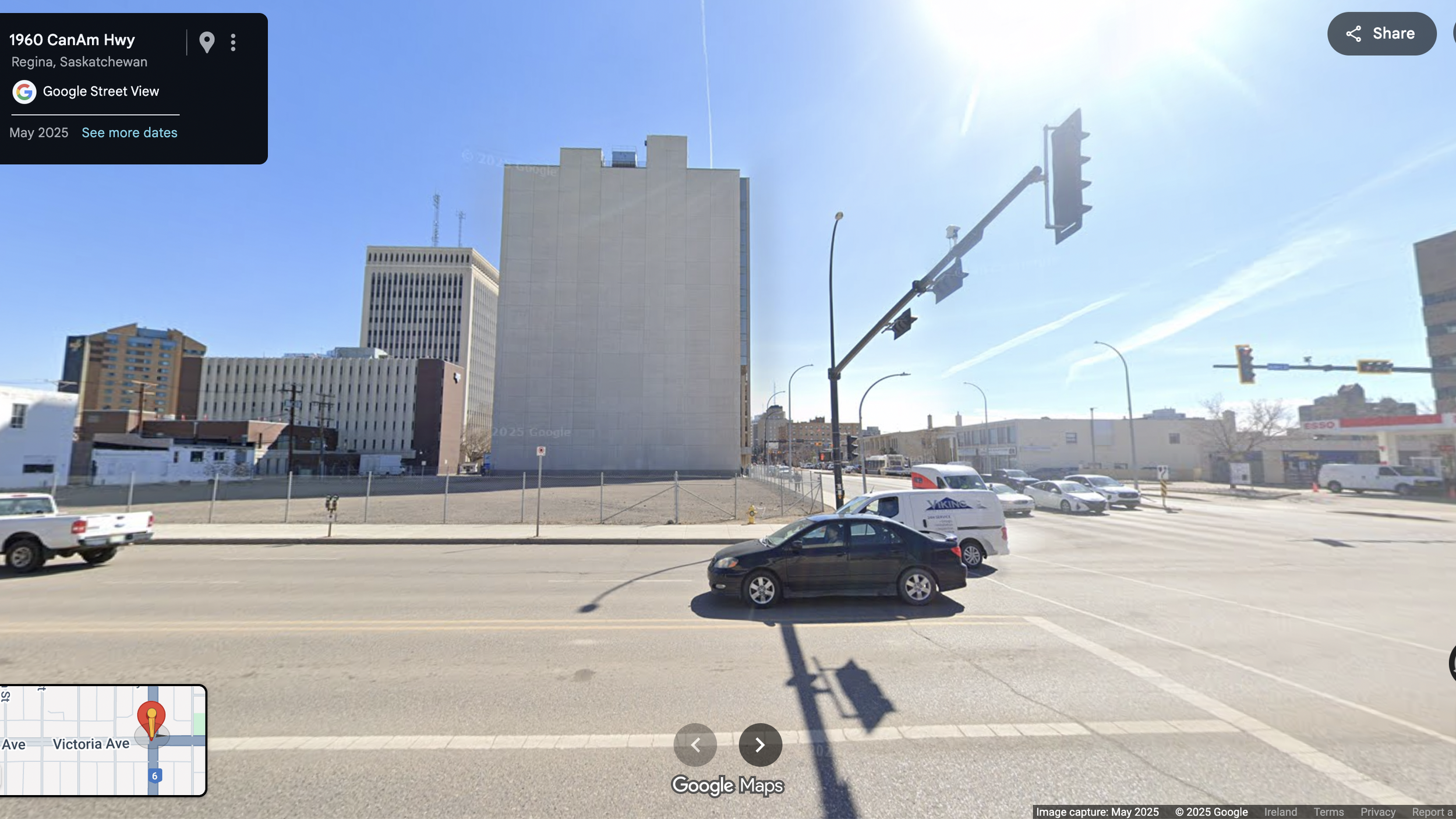
88_Victoria Avenue and Alberta Street, Regina, Saskatchewan, August 17, 1974
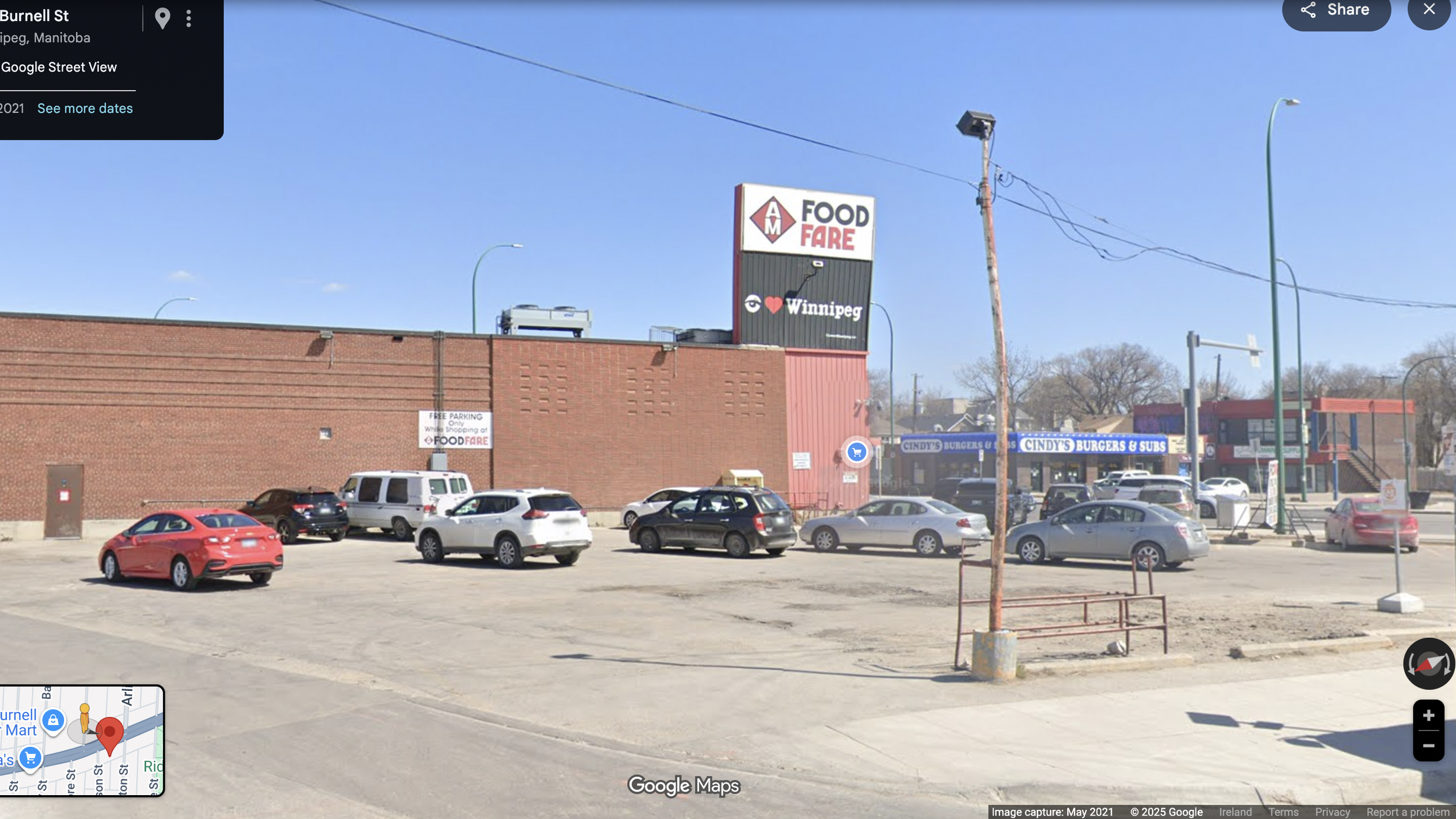
89_Winnipeg, Manitoba, August 16, 1974. This one took a bit of research.
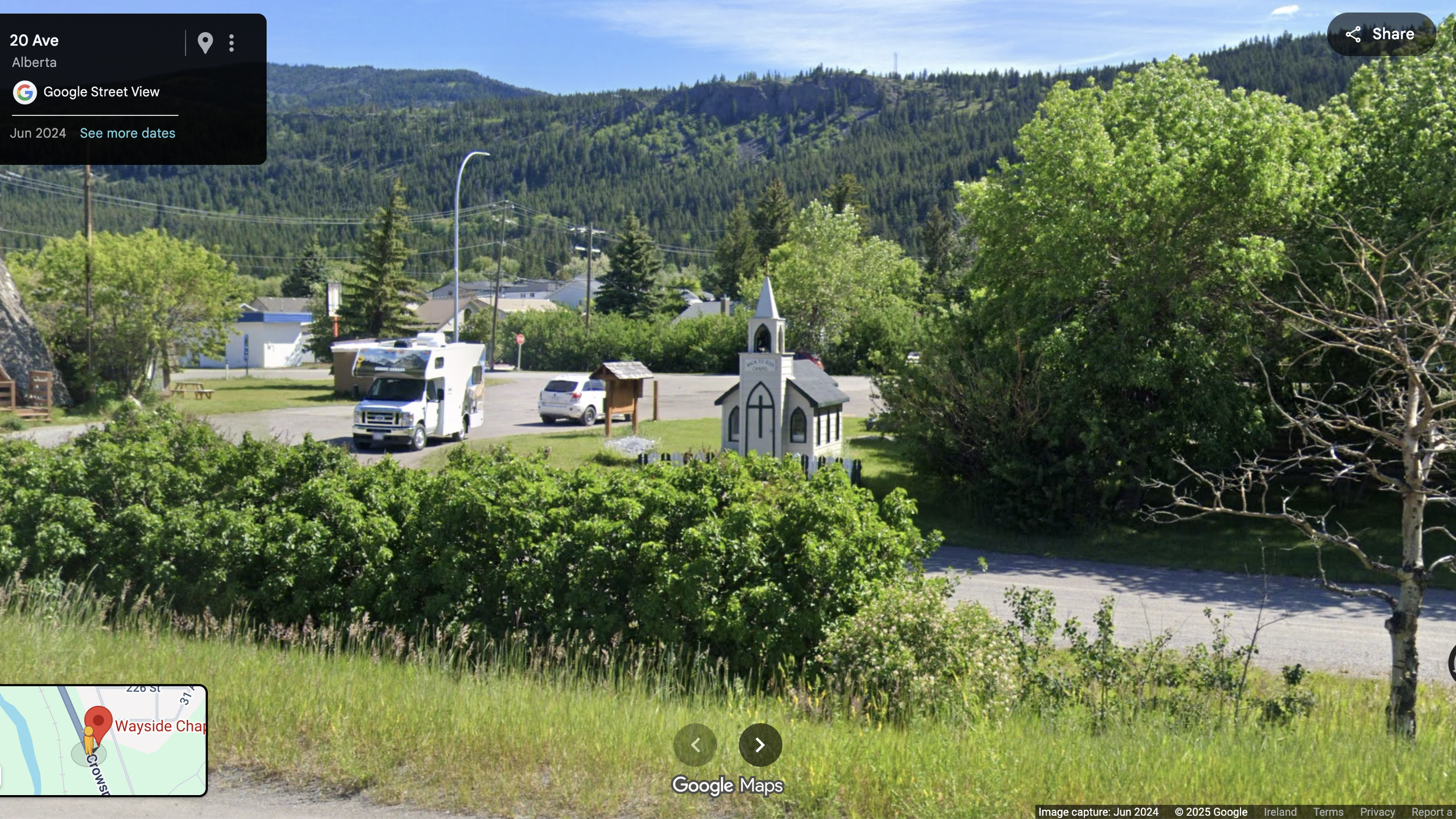
93_Bellevue, Alberta, August 21, 1974
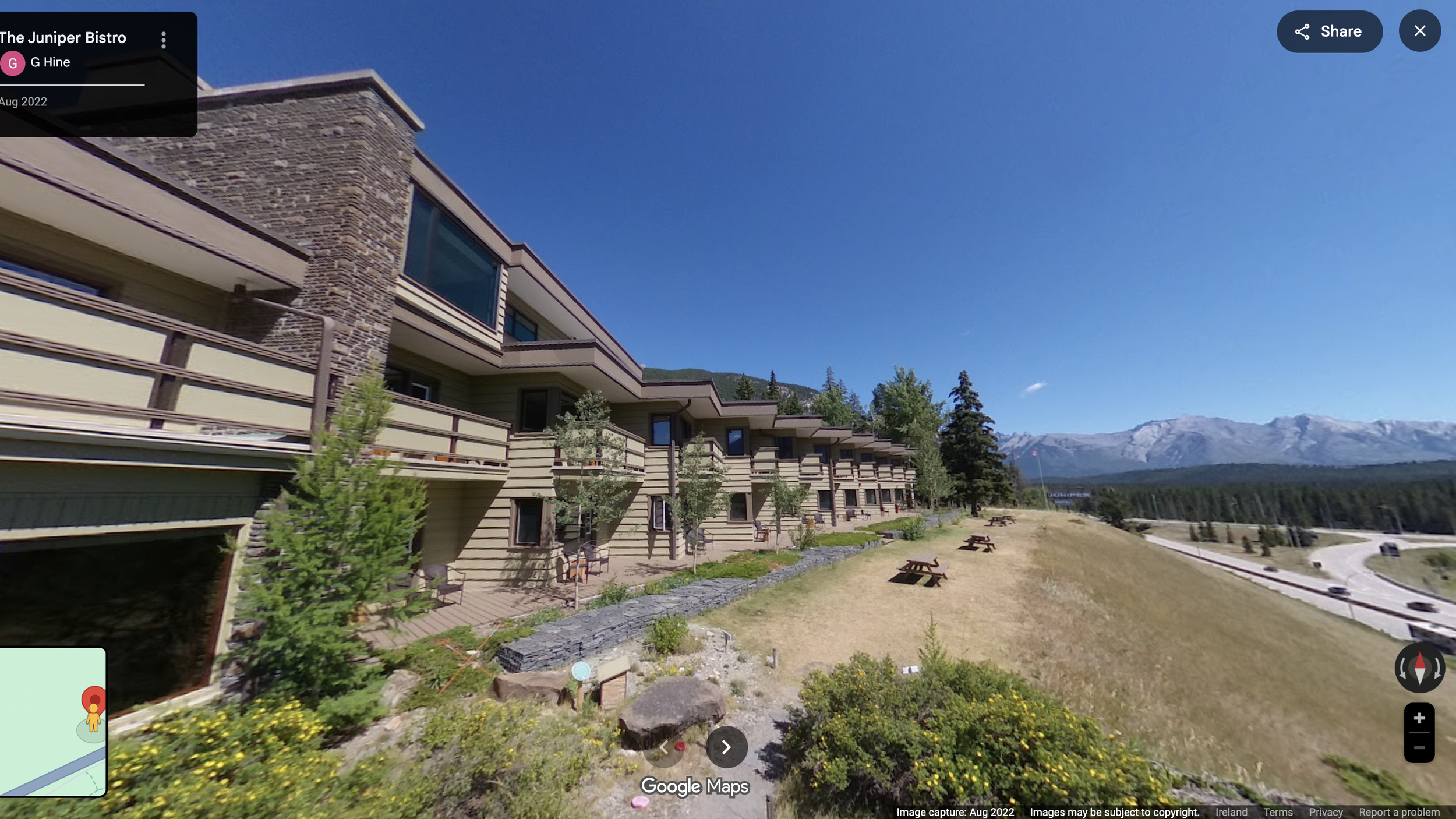
94_Roome 34, Timberline Hotel, Banff, Alberta, August 20, 1974. Now The Juniper Hotel.
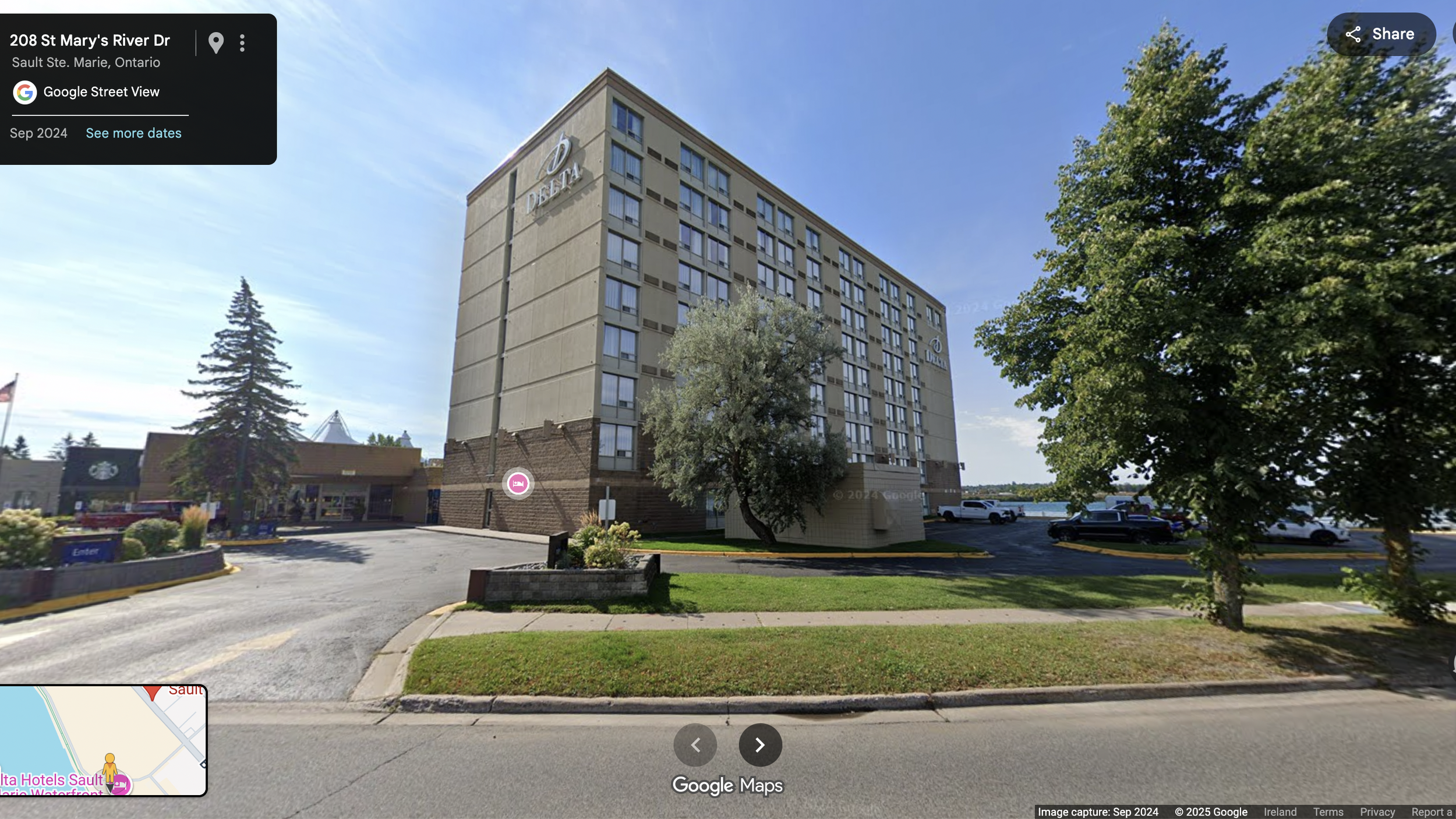
95_Sault Site, Marie, Ontario, August 13, 1974
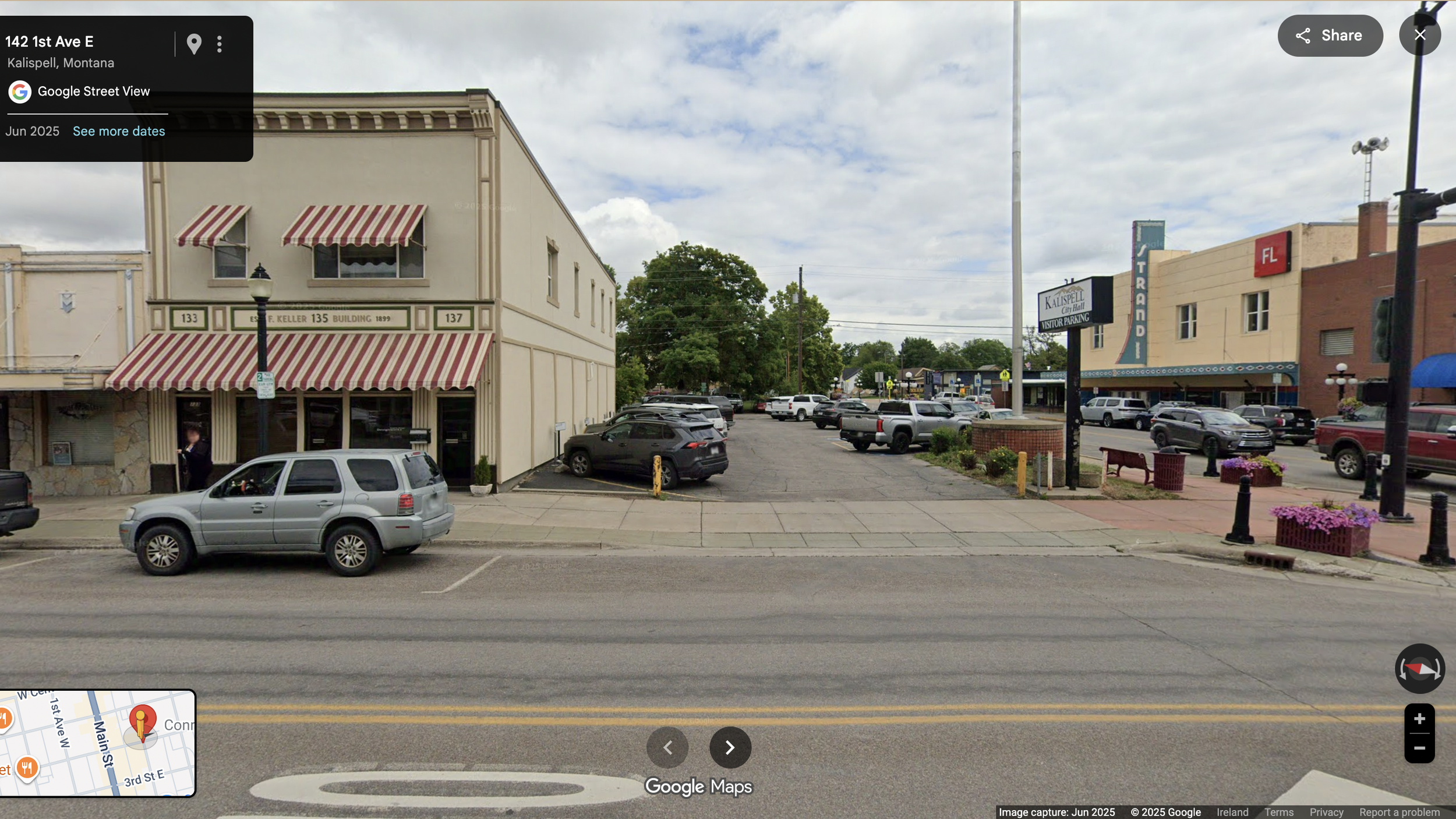
96_Second Street East and First Avenue East, Kalispell, Montana, August 22, 1974
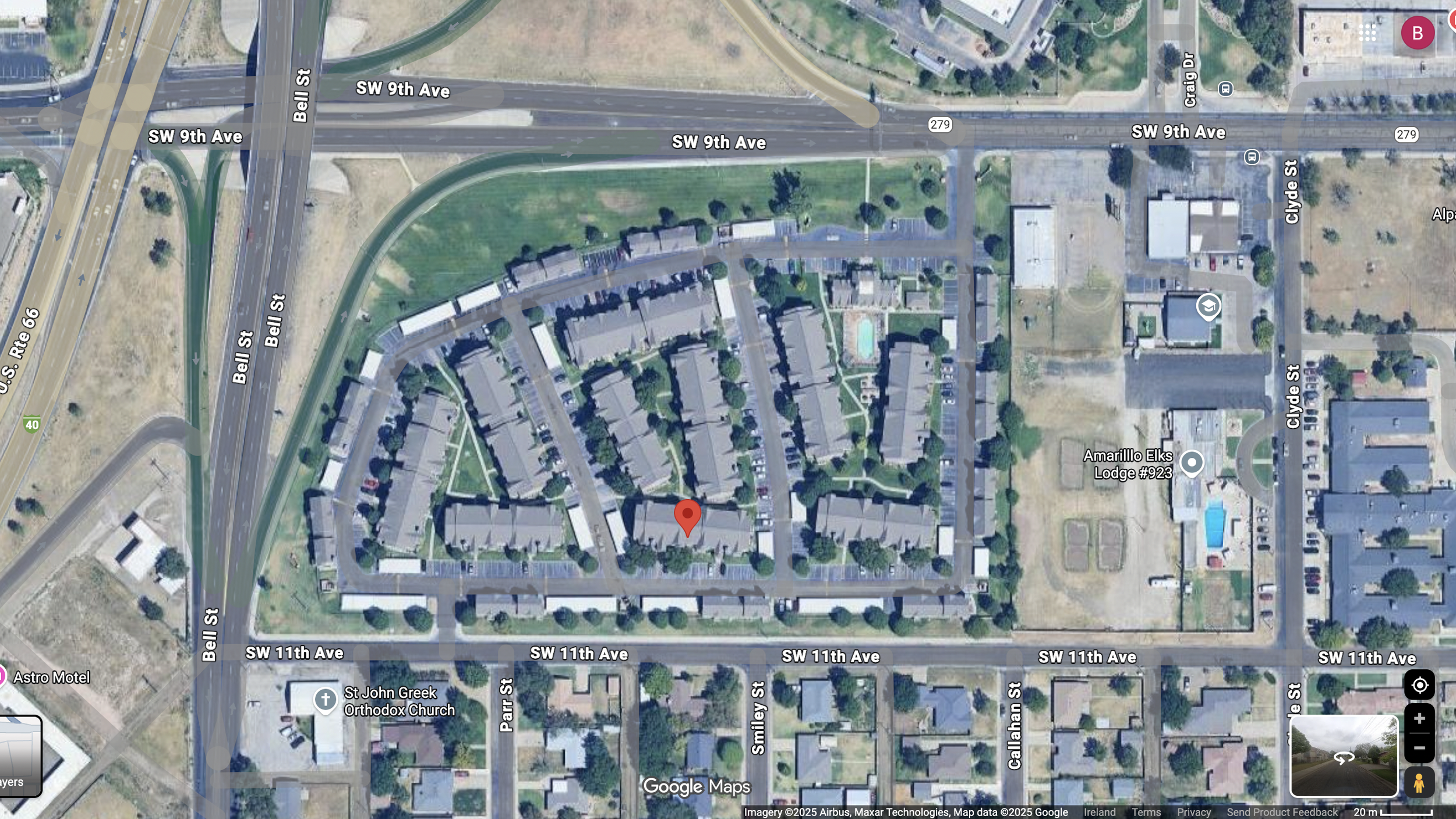
99_West Ninth Avenue, Amarillo, Texas, October 2, 1974. Now Winchester Apartments. Sunset Drive-In, opened on June 3, 1949. It was the second drive-in theatre in Amarillo to be operated by W.O. Beardon, who also operated the Trail Drive-In, and later operated the Tascosa Drive-In. It was closed November 7, 1976.

100_Market Street, San Francisco, California, September 4, 1974
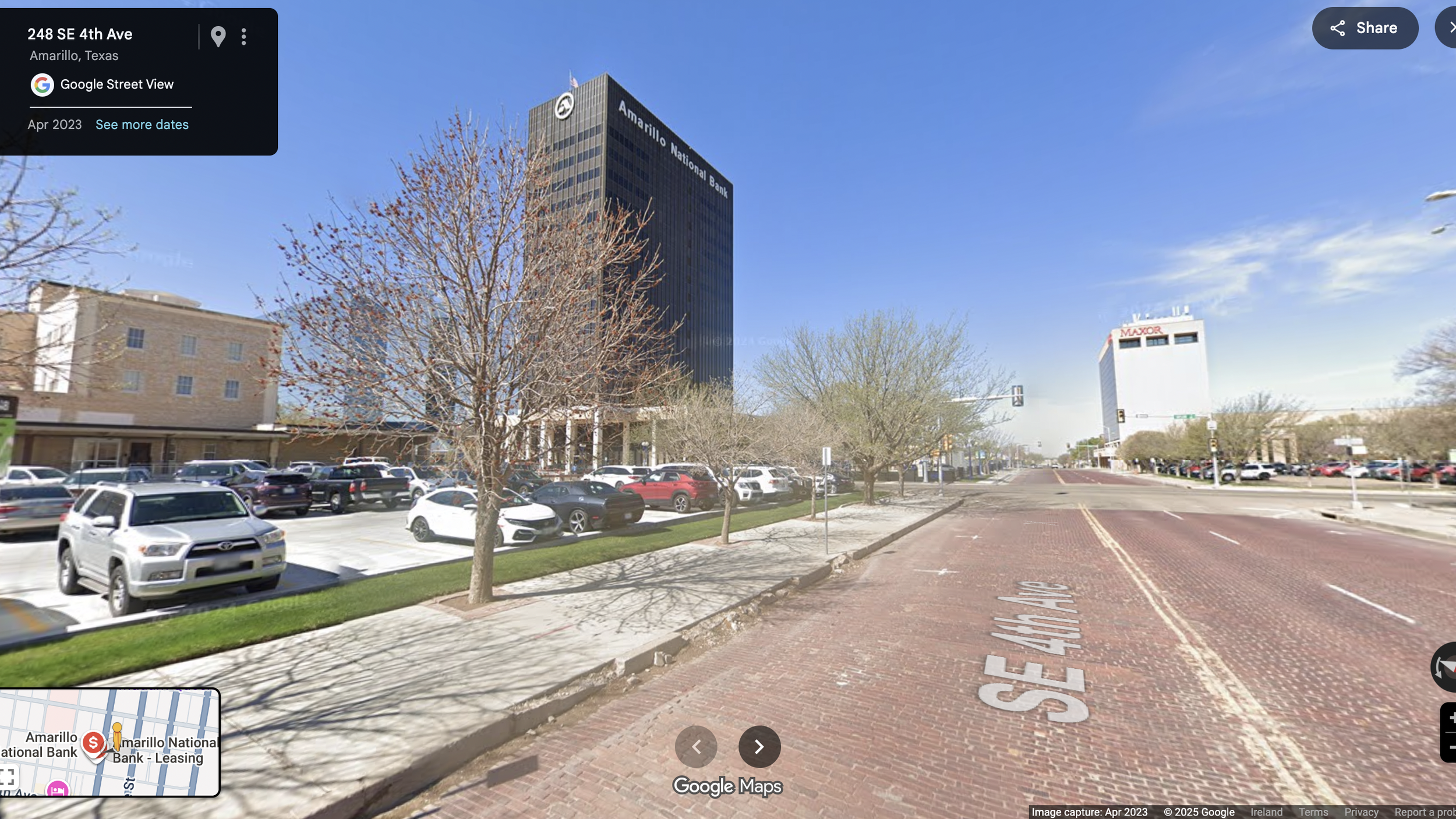
103_Amarillo, Texas, October 2, 1974
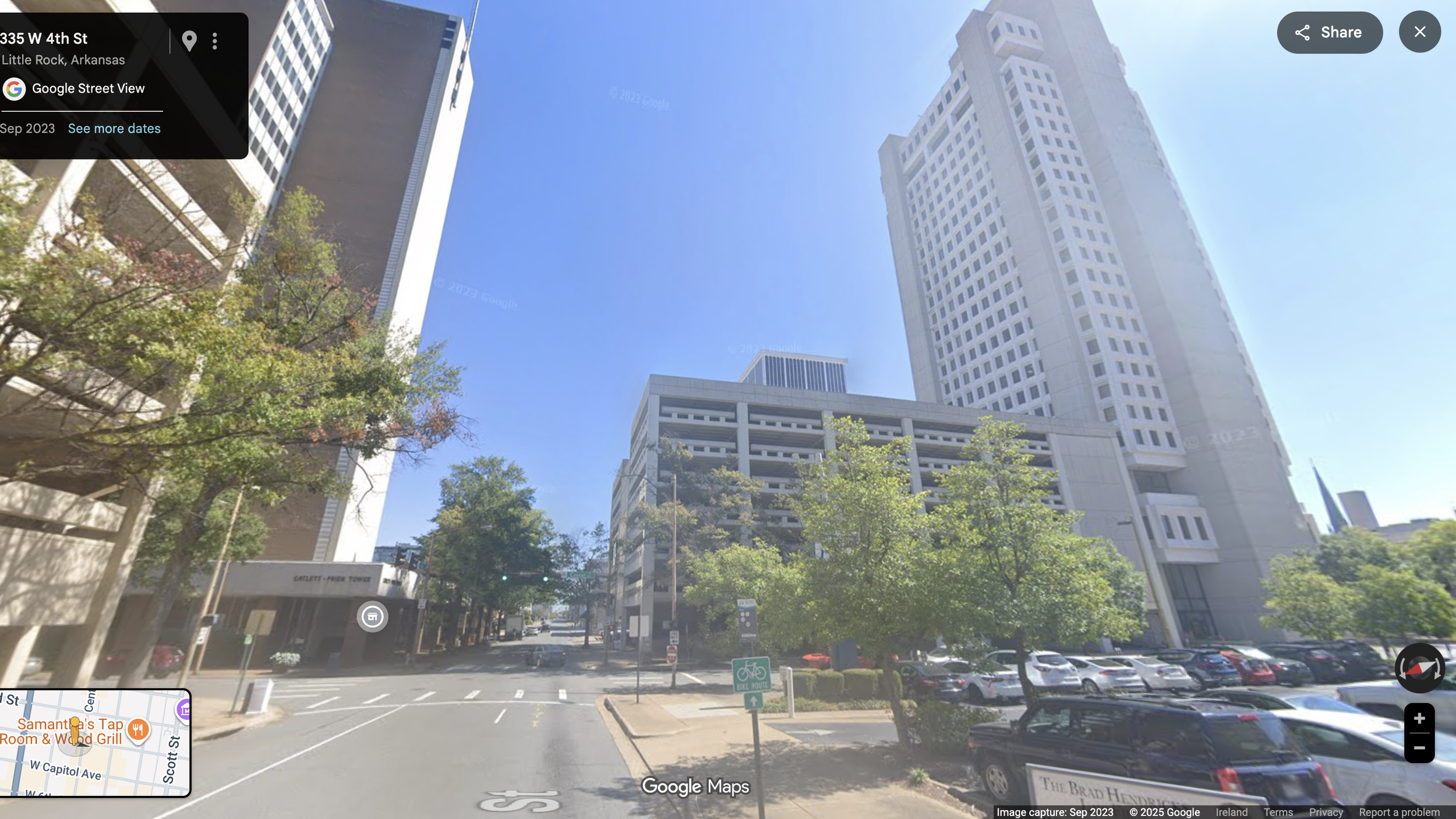
104_West Fourth Street, Little Rock Arkansas, October 5, 1974

105_Center Street and West Third Street, Little Rock. Arkansas, October 5, 1974

106_Fifth Street and Broadway, Eureka, California, September 2, 1974. Now Kristina’s. It is hard to get a good angle for the iconic book cover image so I have included three views of the location.

106_Fifth Street and Broadway, Eureka, California, September 2, 1974. Now Kristina’s. It is hard to get a good angle for the iconic book cover image so I have included three views of the location.

106_Fifth Street and Broadway, Eureka, California, September 2, 1974. Now Kristina’s. It is hard to get a good angle for the iconic book cover image so I have included three views of the location.

107_Second Street and South Main Street, Kalispell, Montana, August 22, 1974

111_Lincoln Street and Riverside Street, Spokane, Washington, August 25, 1974
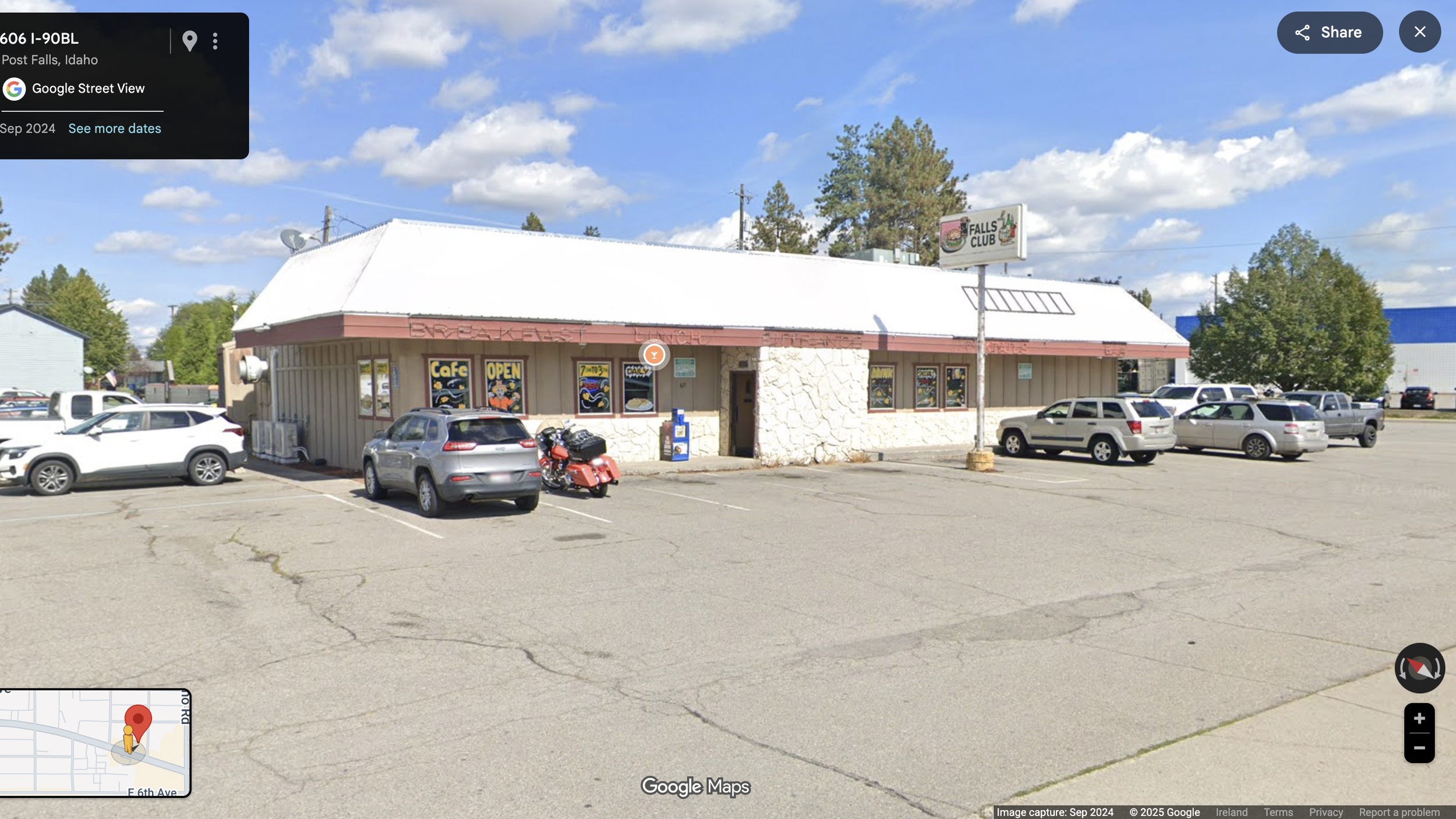
112_U.S. 10, Post Falls, Idaho, August 25, 1974. Currently The Falls Club, actually at 611 E Seltice Way, Post Falls. Now has a very different appearance.
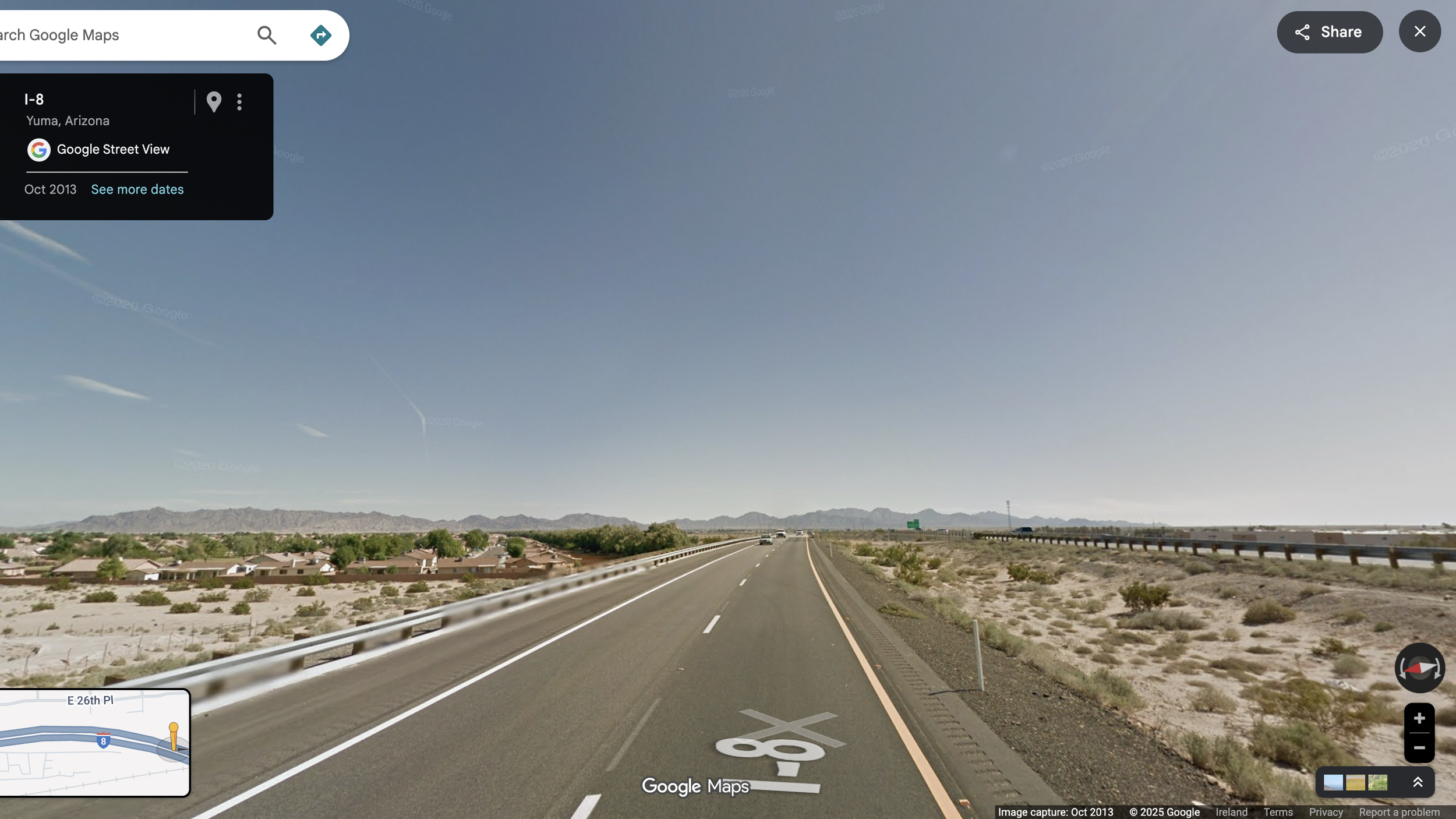
117_I-8, Yuma, Arizona, September 23, 1974

118_Thirty-First Avenue and Crescent Street, Queens, New York, October 28, 1974
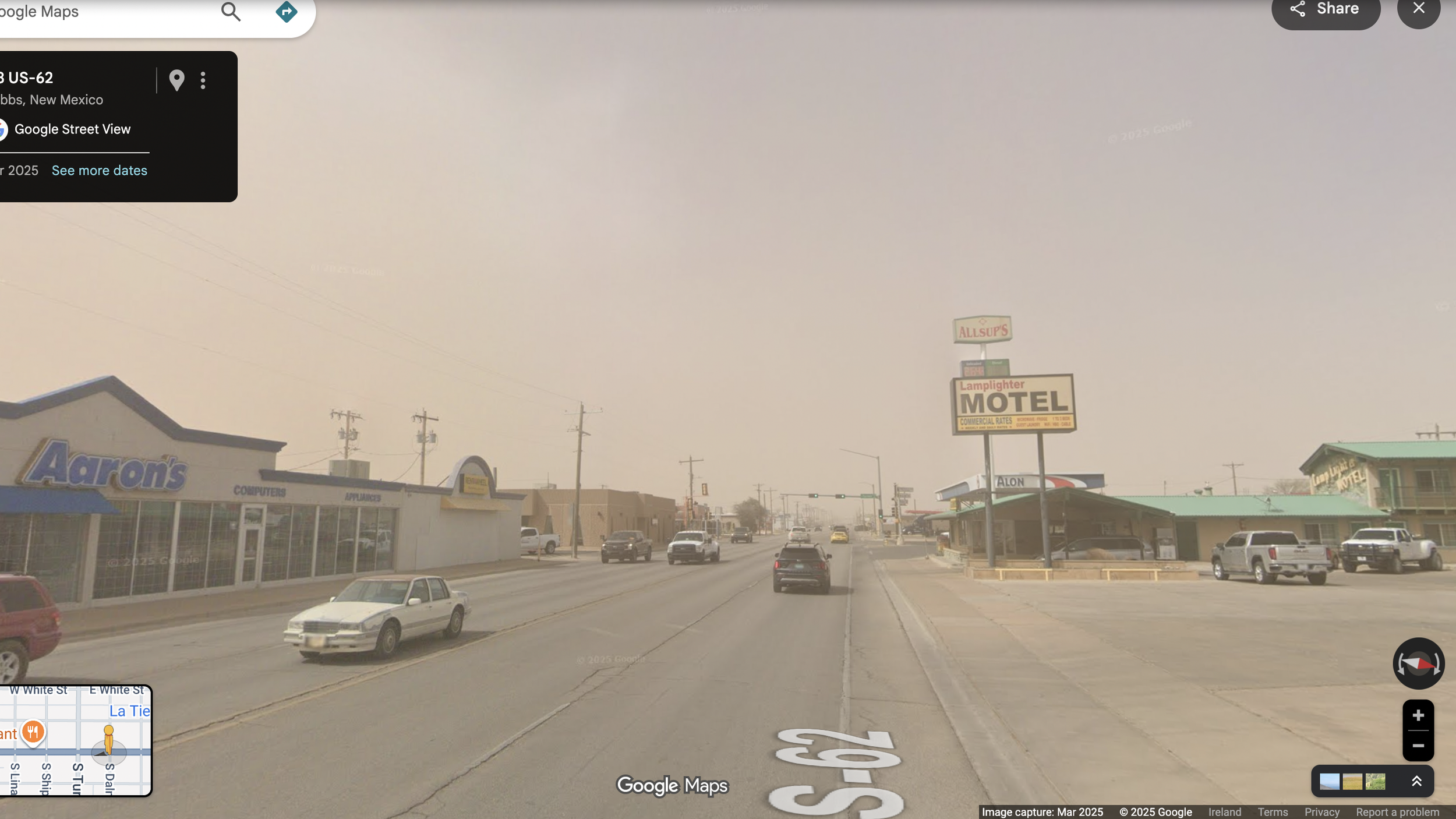
124_Marland Street, Hobbs, New Mexico, February 19, 1975
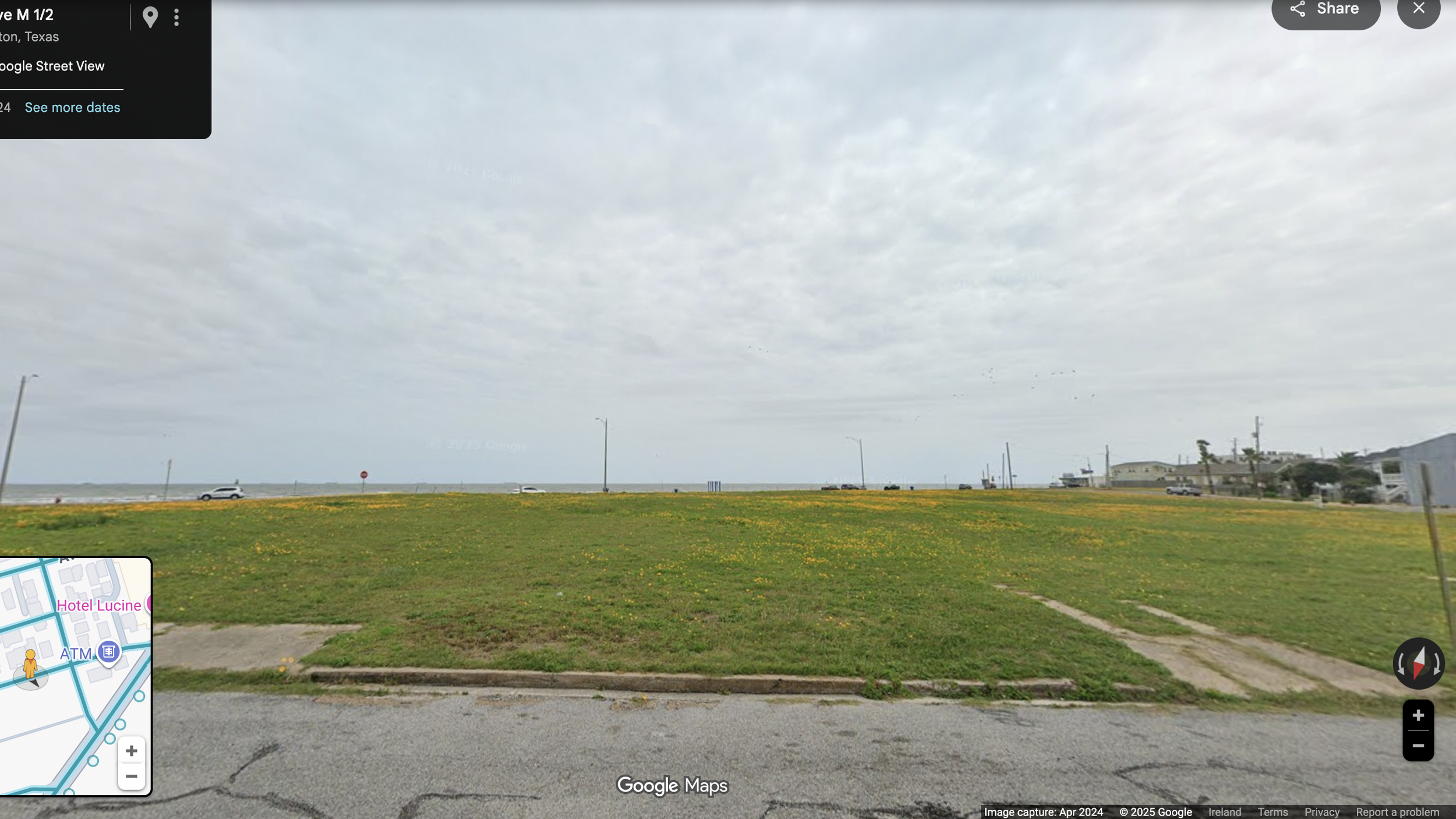
126_M1/2 Avenue, Galveston, Texas, July 20, 1975. I believe the former driveway to the right is where the car is parked in the original image.
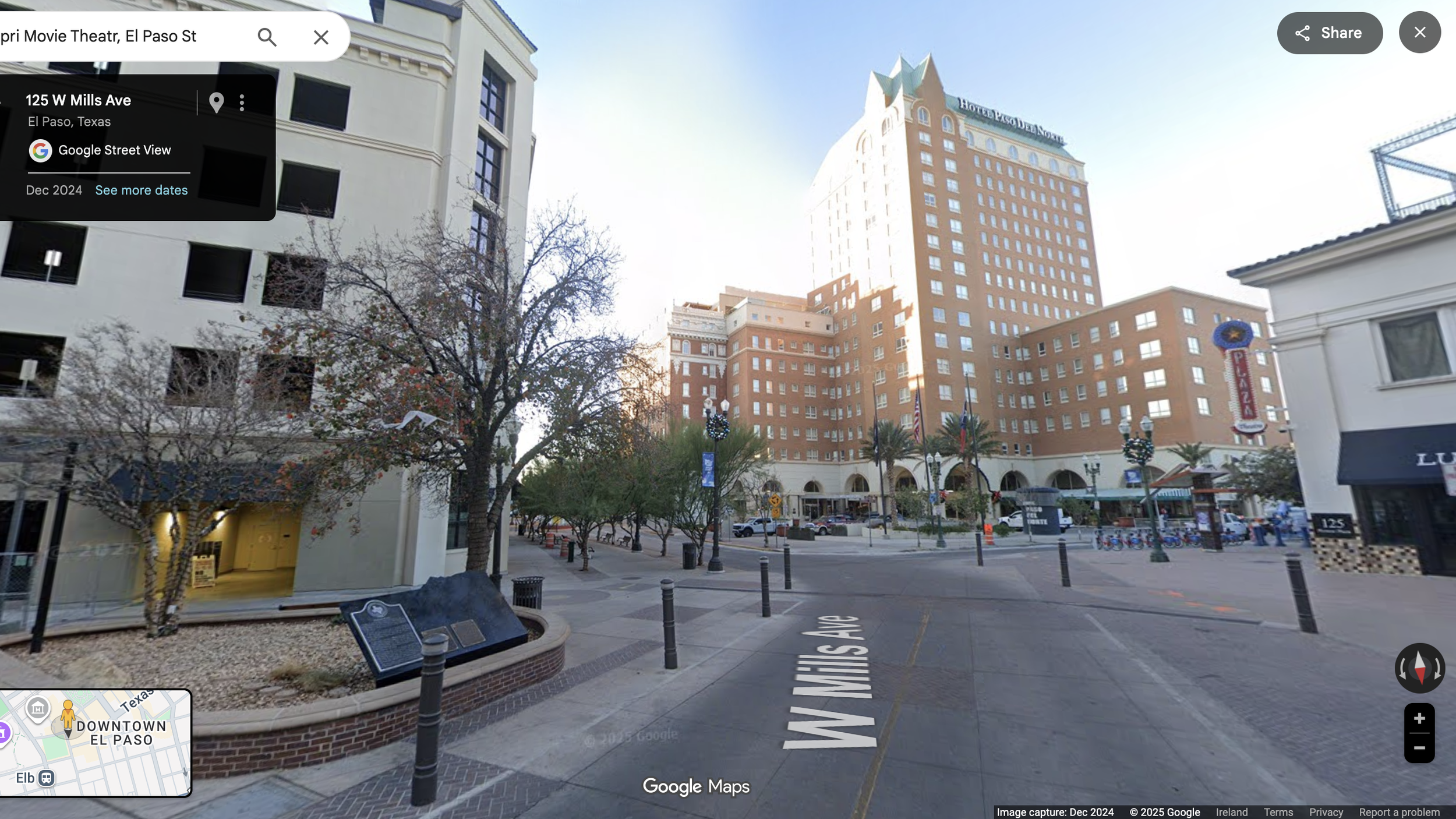
127_El Paso Street, El Paso, Texas, July 5, 1975

130_Beverly Boulevard and La Brea Avenue, Los Angeles, California, June 22, 1975
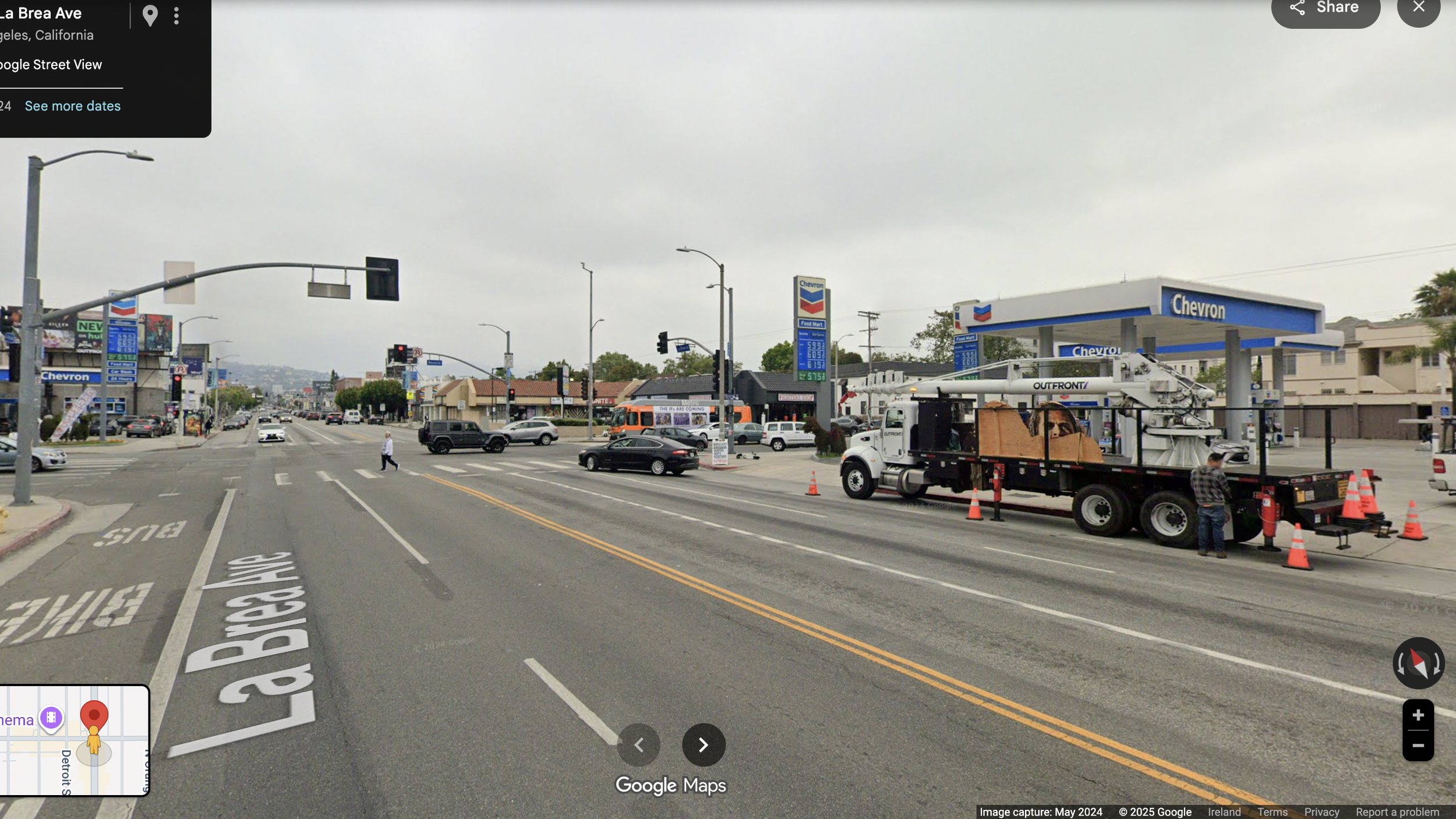
131_Beverly Boulevard and La Brea Avenue, Los Angeles, California, June 22, 1975
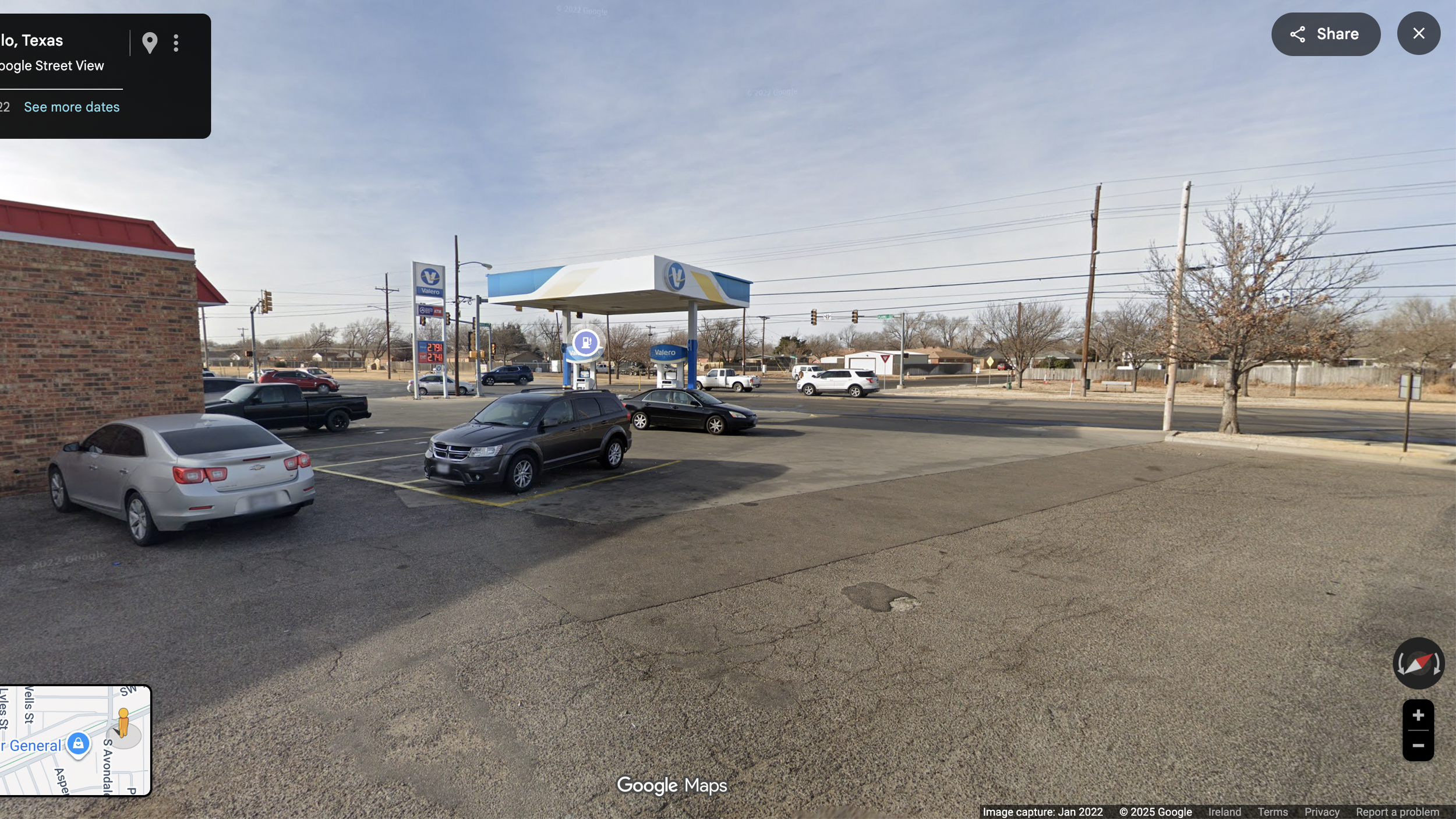
132_Plains Boulevard, Amarillo, Texas, July 15, 1975. I am three days old.

133_Coranado Street, Los Angeles, California, July 21, 1975
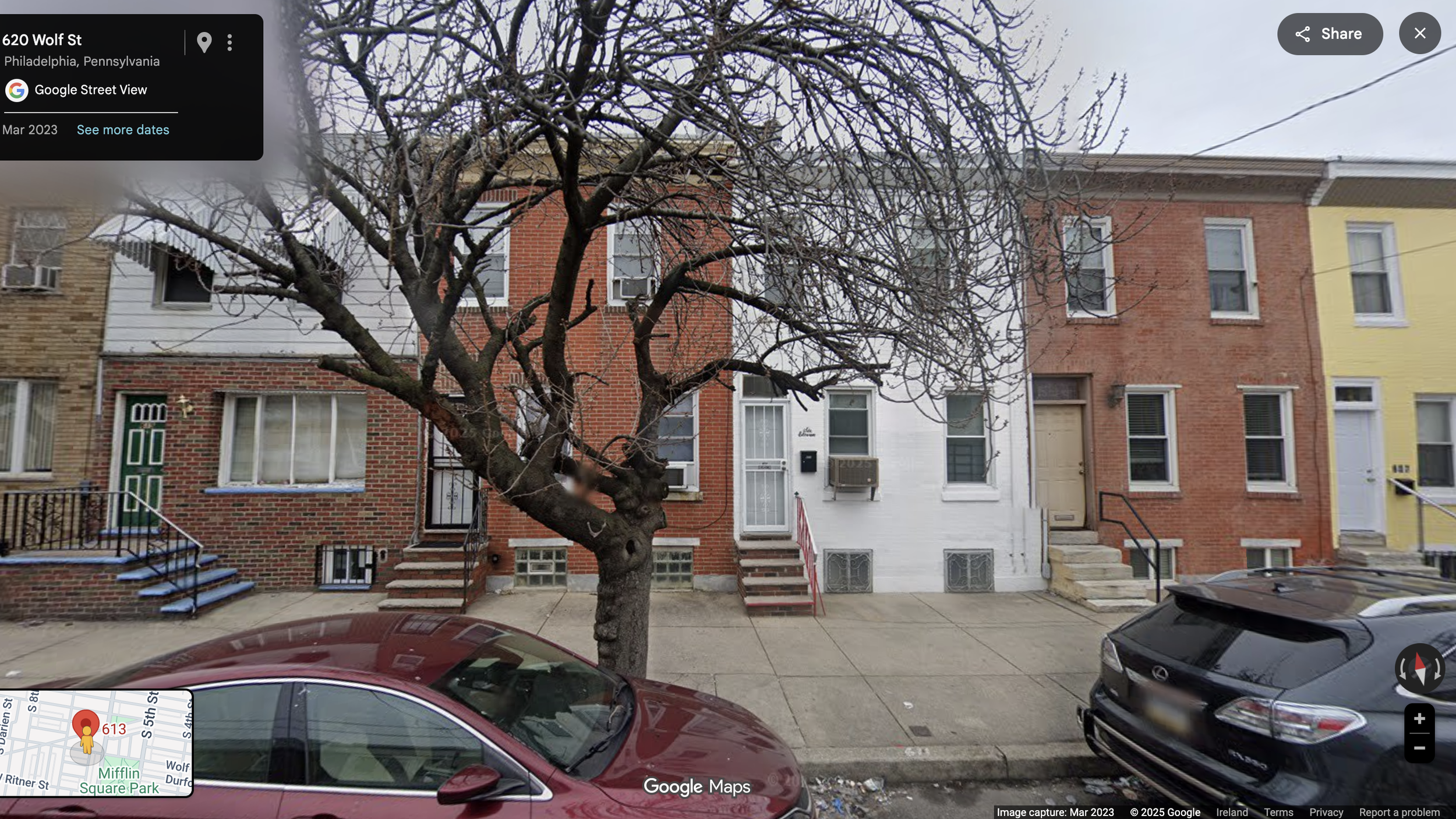
134_Wolf Street, Philadelphia, Pennsylvania, October 28, 1975
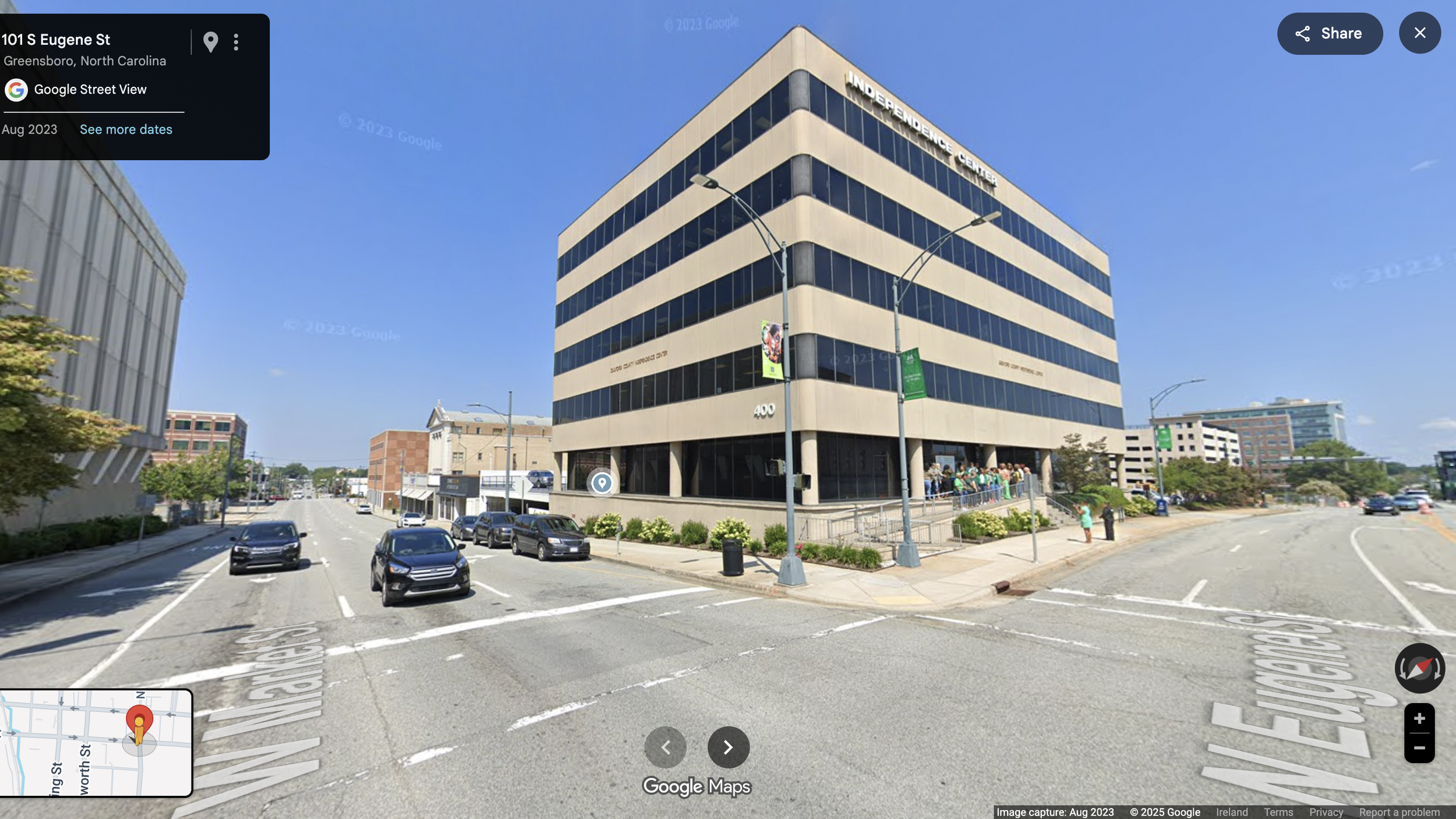
137_West Market Street and North Eugene Street, Greensboro, North Carolina, January 23, 1976

139_Sutter Street and Crestline Road, Fort Worth, Texas, June 3, 1976

141_Sixth Street and Throckmorton Street, Fort Worth, Texas, June 13, 1976

142_Helen Butler, Fort Worth, Texas, June 3, 1976
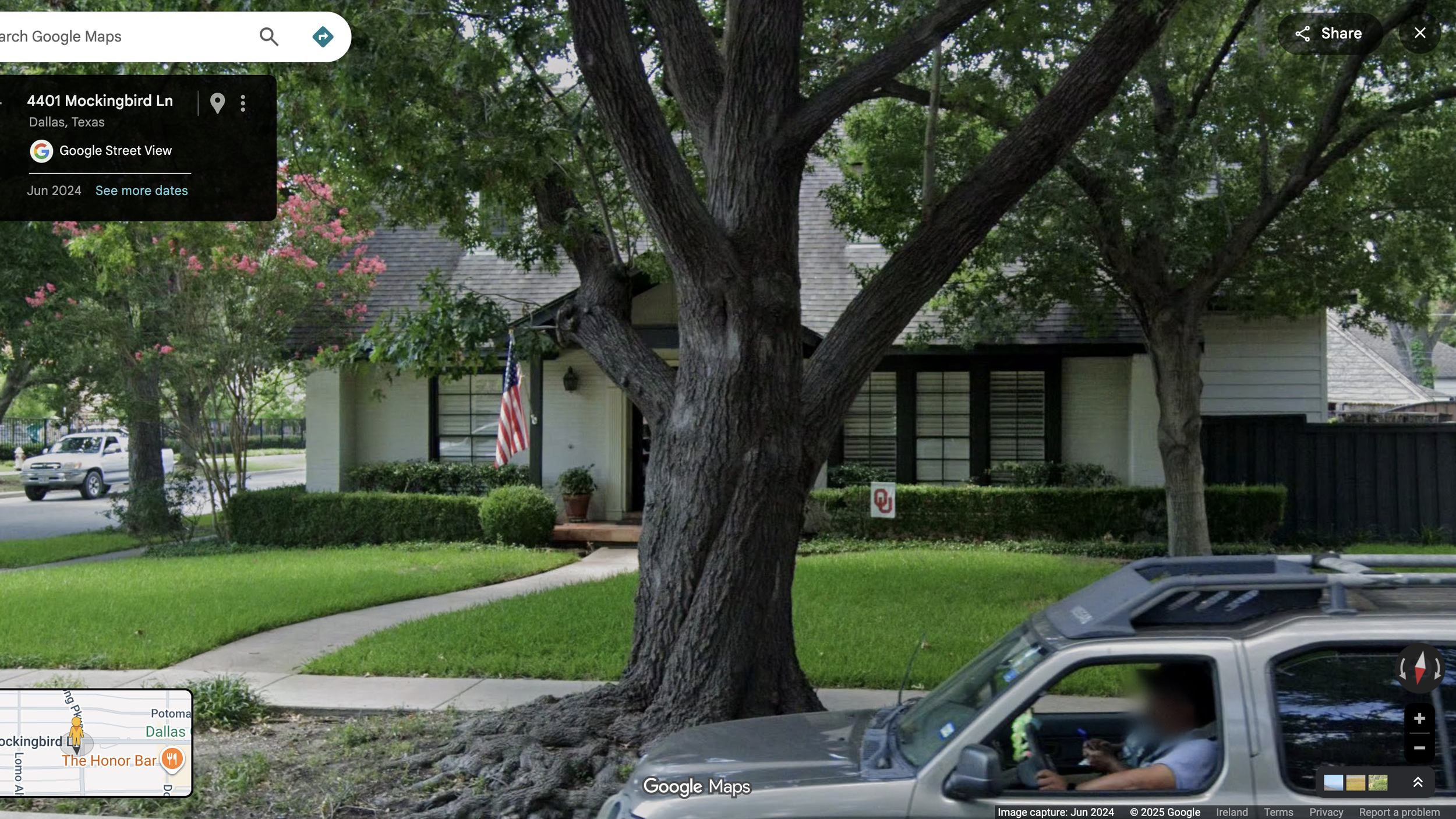
143_Mockingbird Lane, Highland Park, Dallas, Texas, June 4, 1976

144_University Drive, Fort Worth, Texas, June 3, 1976
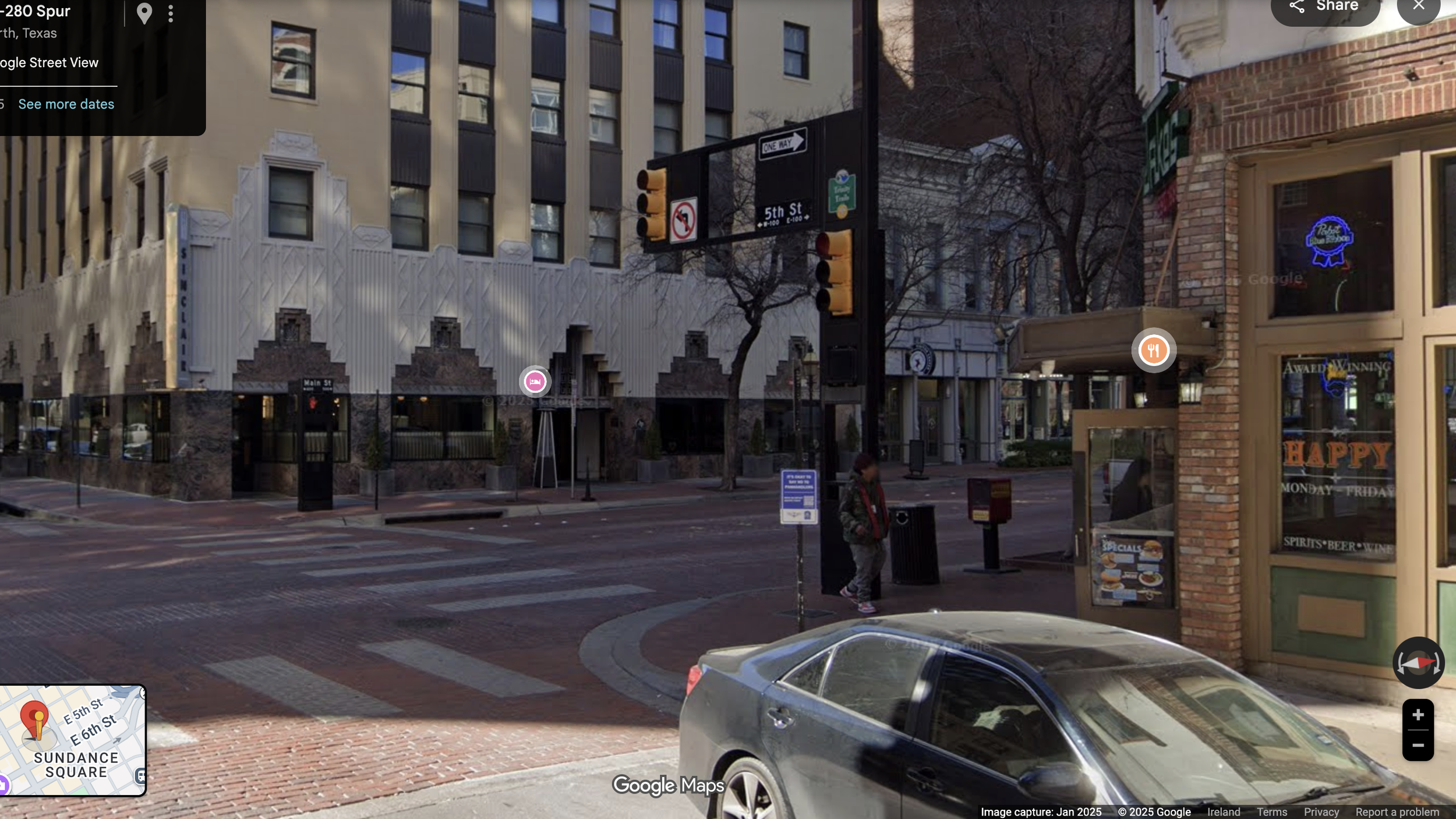
147_East Fifth Street and Main Street, Fort Worth, Texas, June 17, 1976

149_Sidney Lust's Drive-in Theatre, U.S.1, College Park Maryland, January 21, 1976

150_South University Drive, Fort Worth, Texas, June 4, 1976
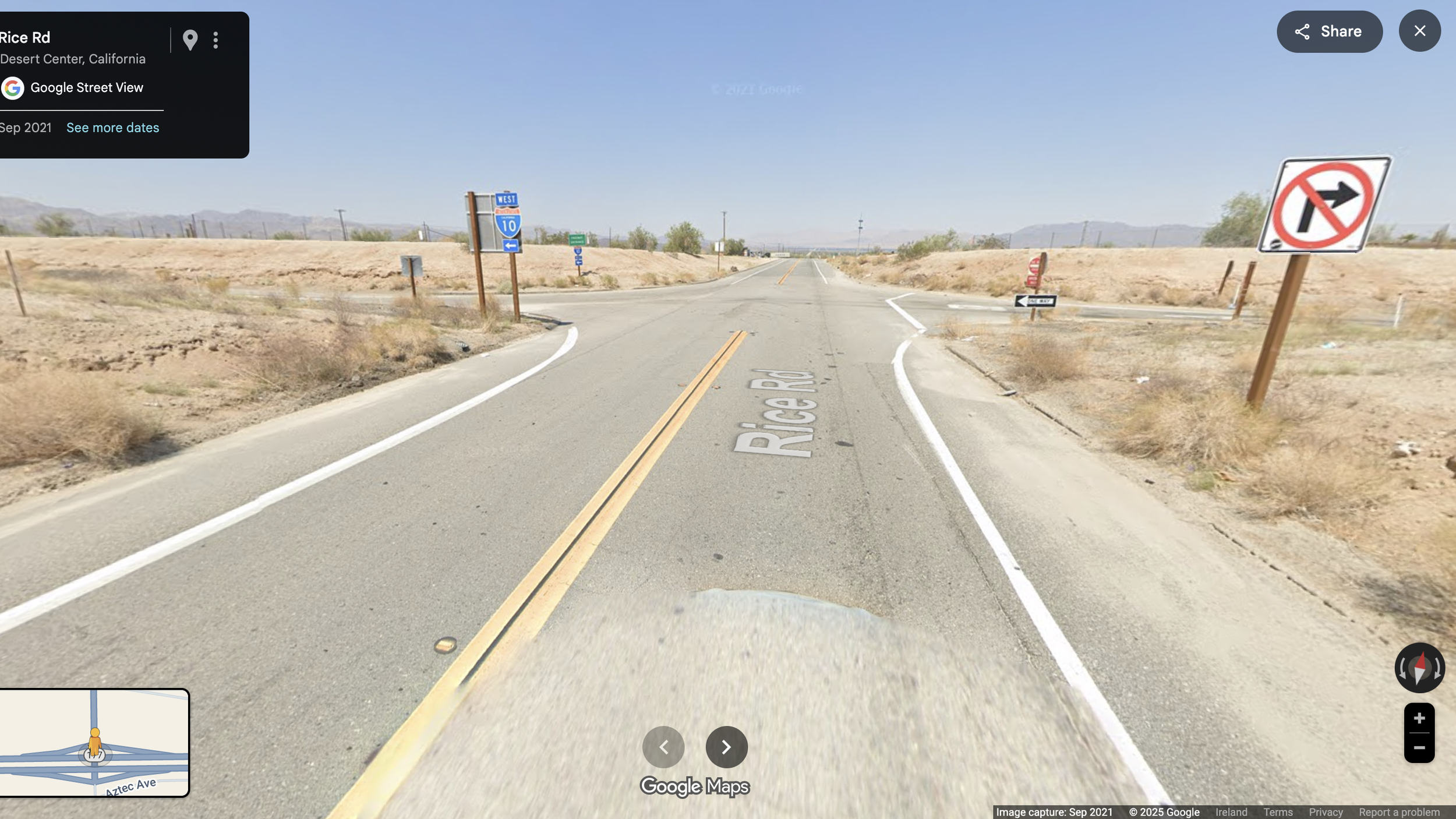
152_California 177, Desert Center, California, December 8, 1976. Unfortunately the exact vantage point of the original photograph was blocked by a truck. See second image.

152_California 177, Desert Center, California, December 8, 1976. Unfortunately the exact vantage point of the original photograph was blocked by a truck. See first image for a view from ground level.
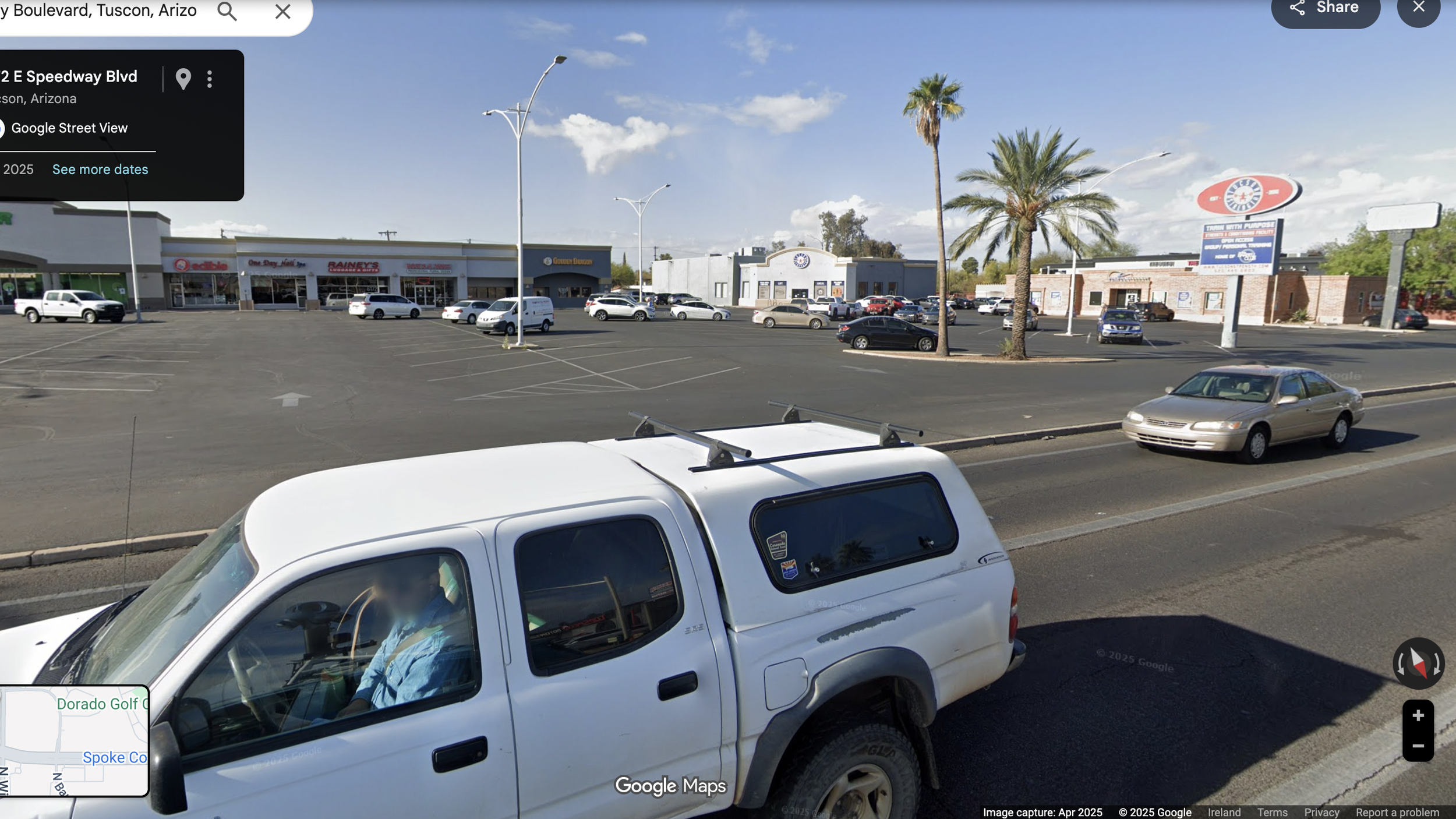
155_Speedway Boulevard, Tucson, Arizona, December 7, 1976
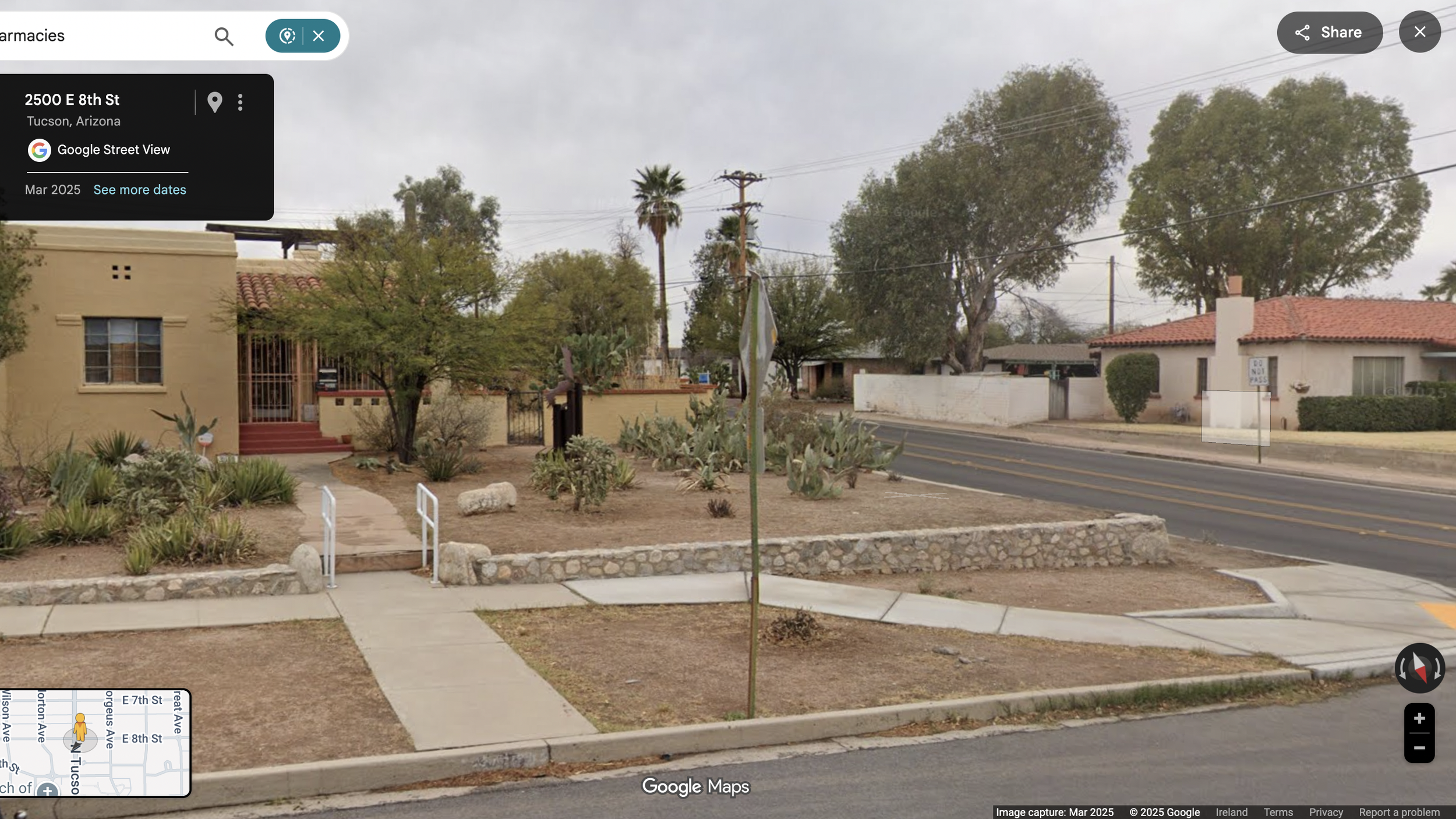
157_Tuscon Boulevard, Tucson, Arizona, Dec 7, 1975. This one was located using aerial photography. See second image.
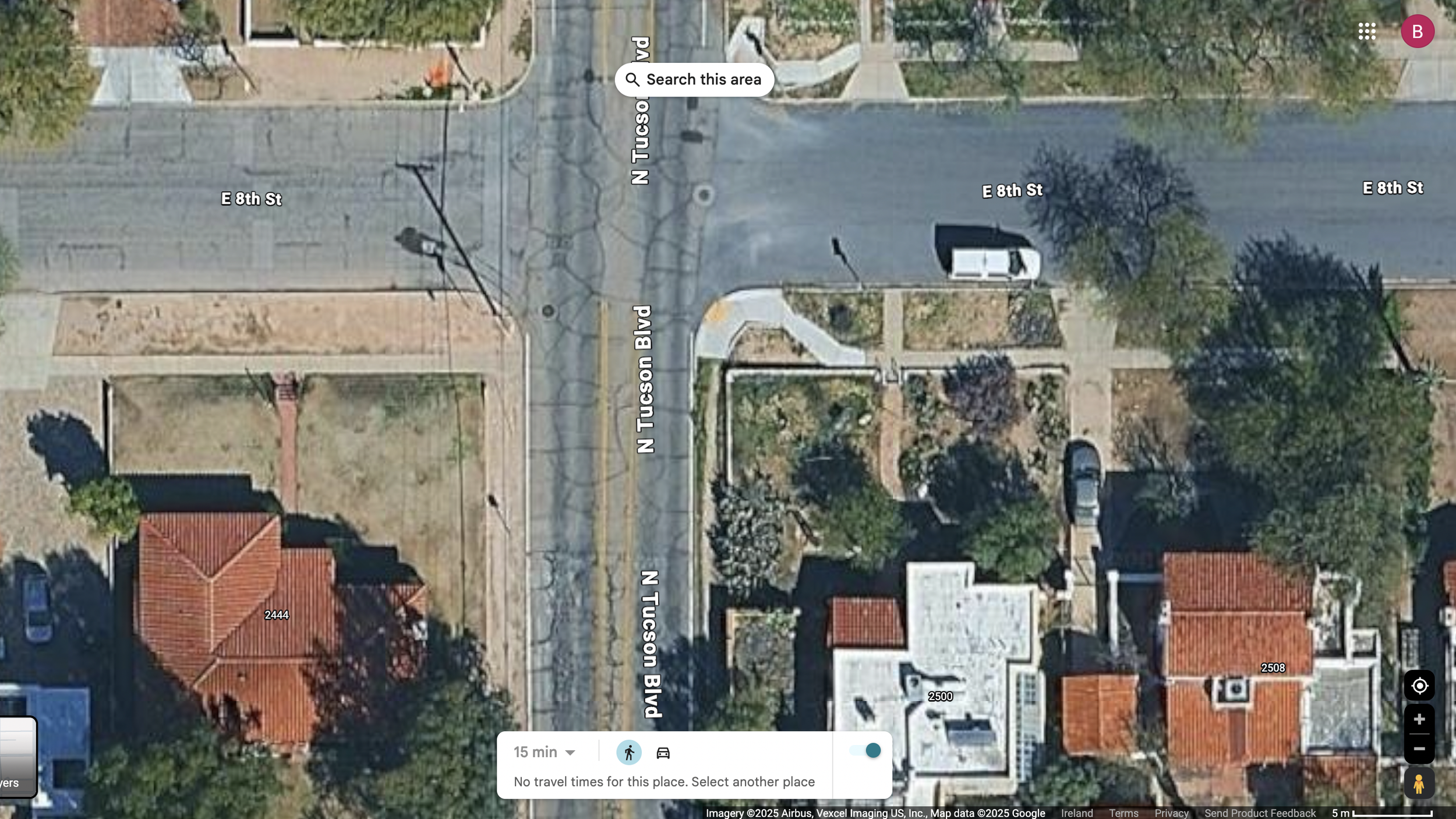
157_Tuscon Boulevard, Tucson, Arizona, Dec 7, 1975. Aerial view.

158_Texas Hots, 2693 South Park Avenue, Lackawanna, Pennsylvania*, October 25, 1977. *Actually Buffalo NY.
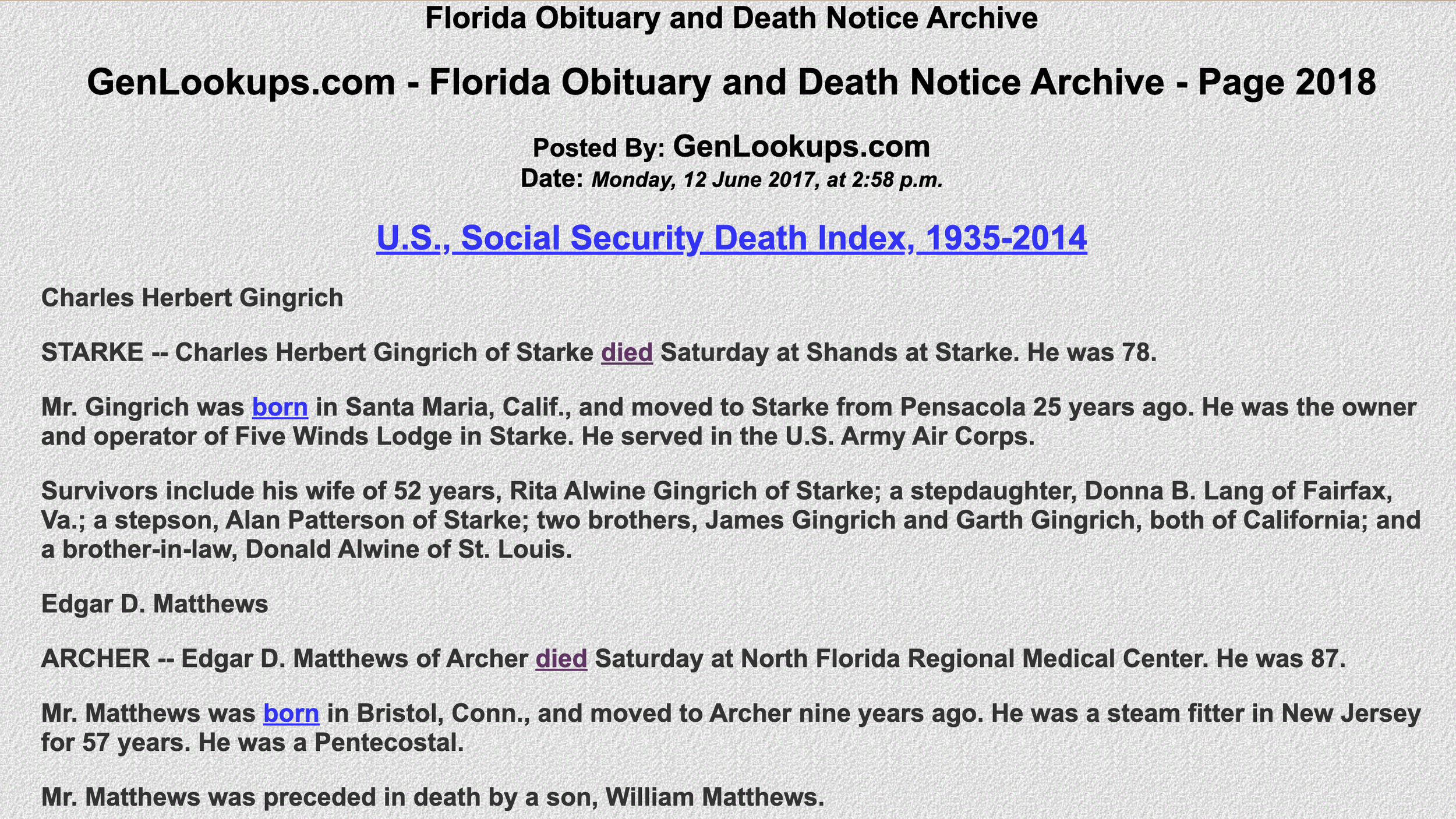
164_Chuck Gingrich, Starke, Florida, November 18, 1977

176_Ginger Shore, Causeway Inn, Tampa, Florida, November 17, 1977

178_Graig Nettles, Fort Lauderdale, Florida, March 1, 1978
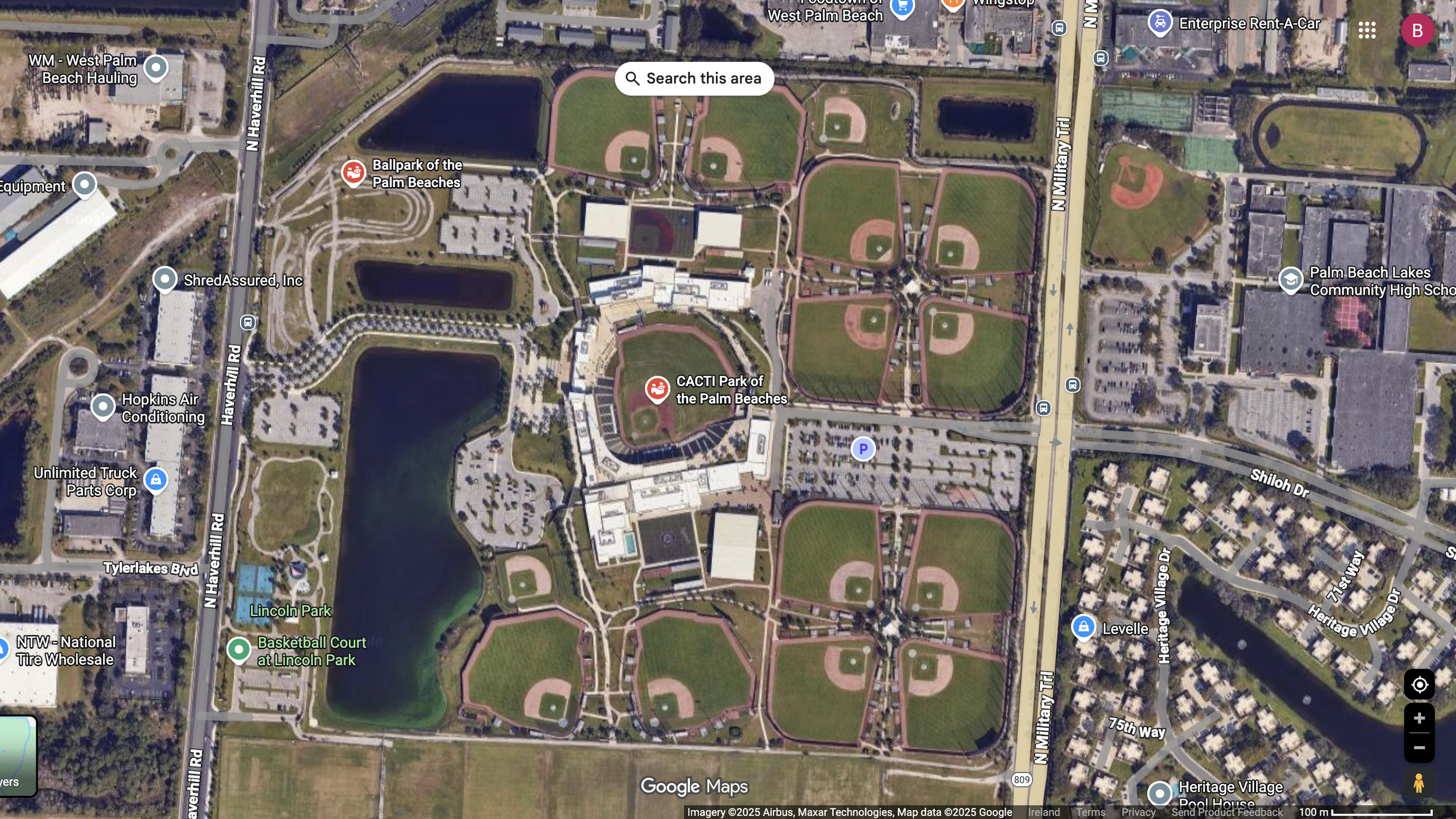
179_Yankees, West Palm Beach, Florida, March 14, 1978
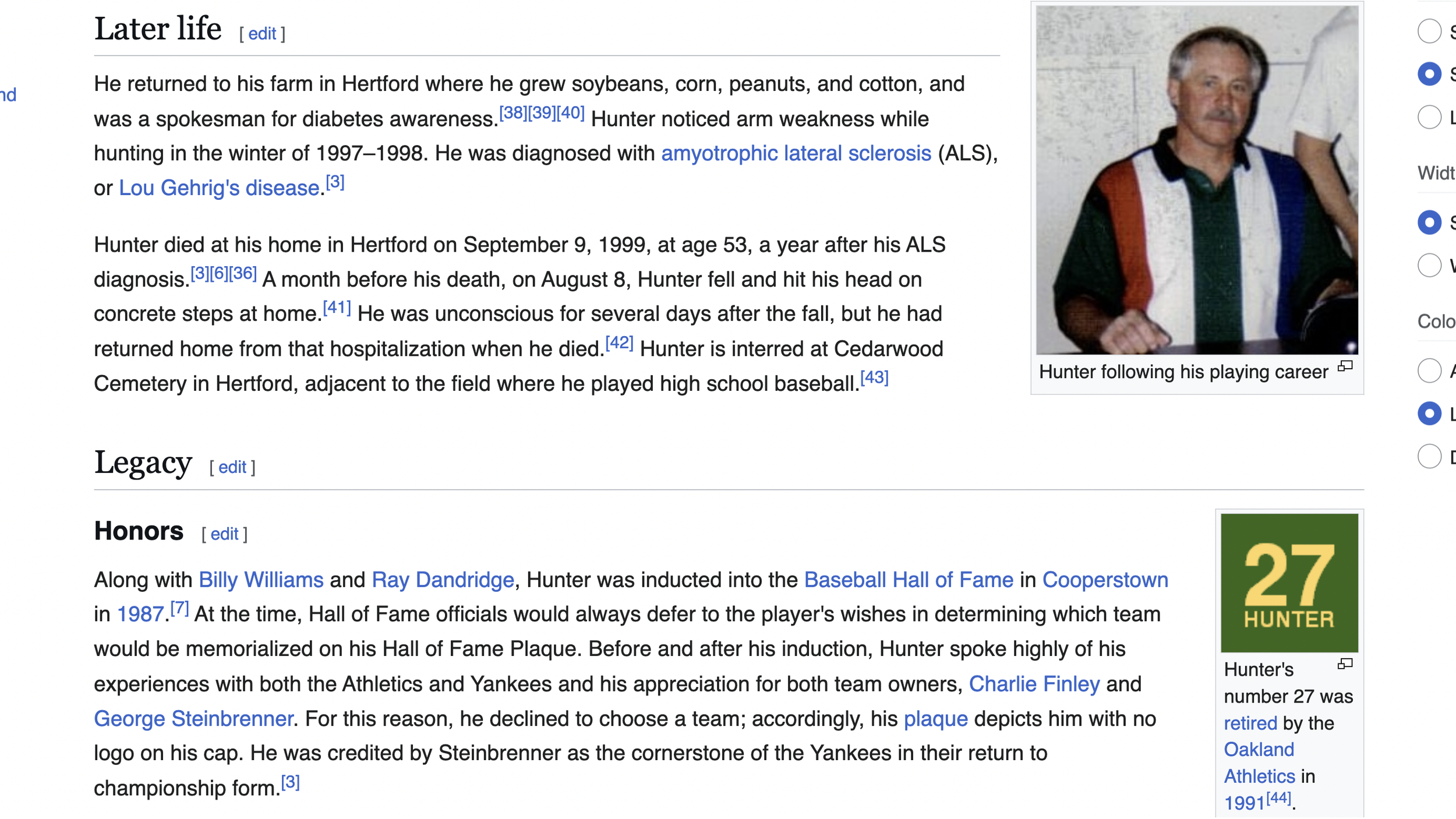
180_Catfish Hunter, Fort Lauderdale, Florida, March 6, 1978
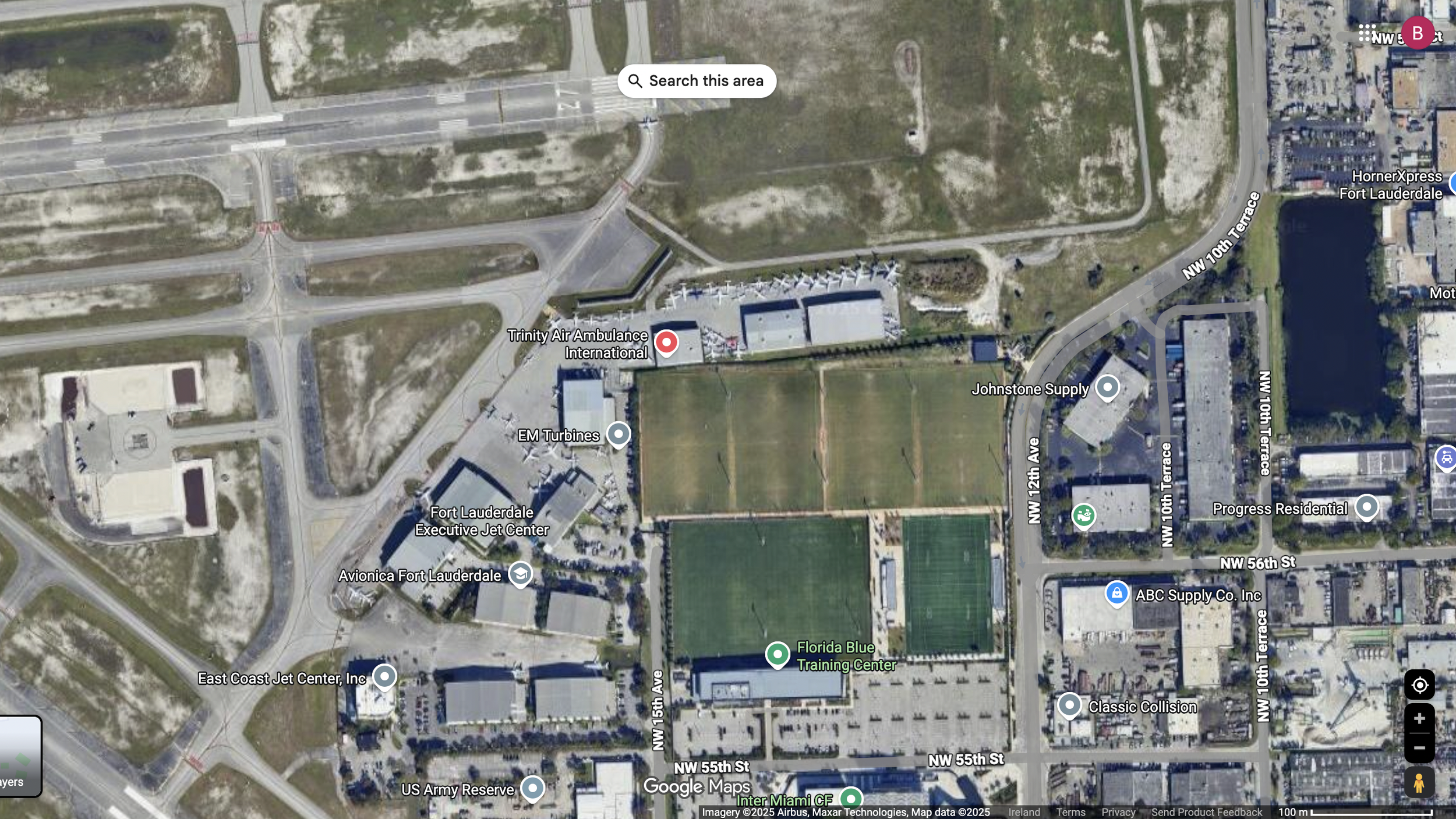
181_Fort Lauderdale, Florida, March 5, 1978
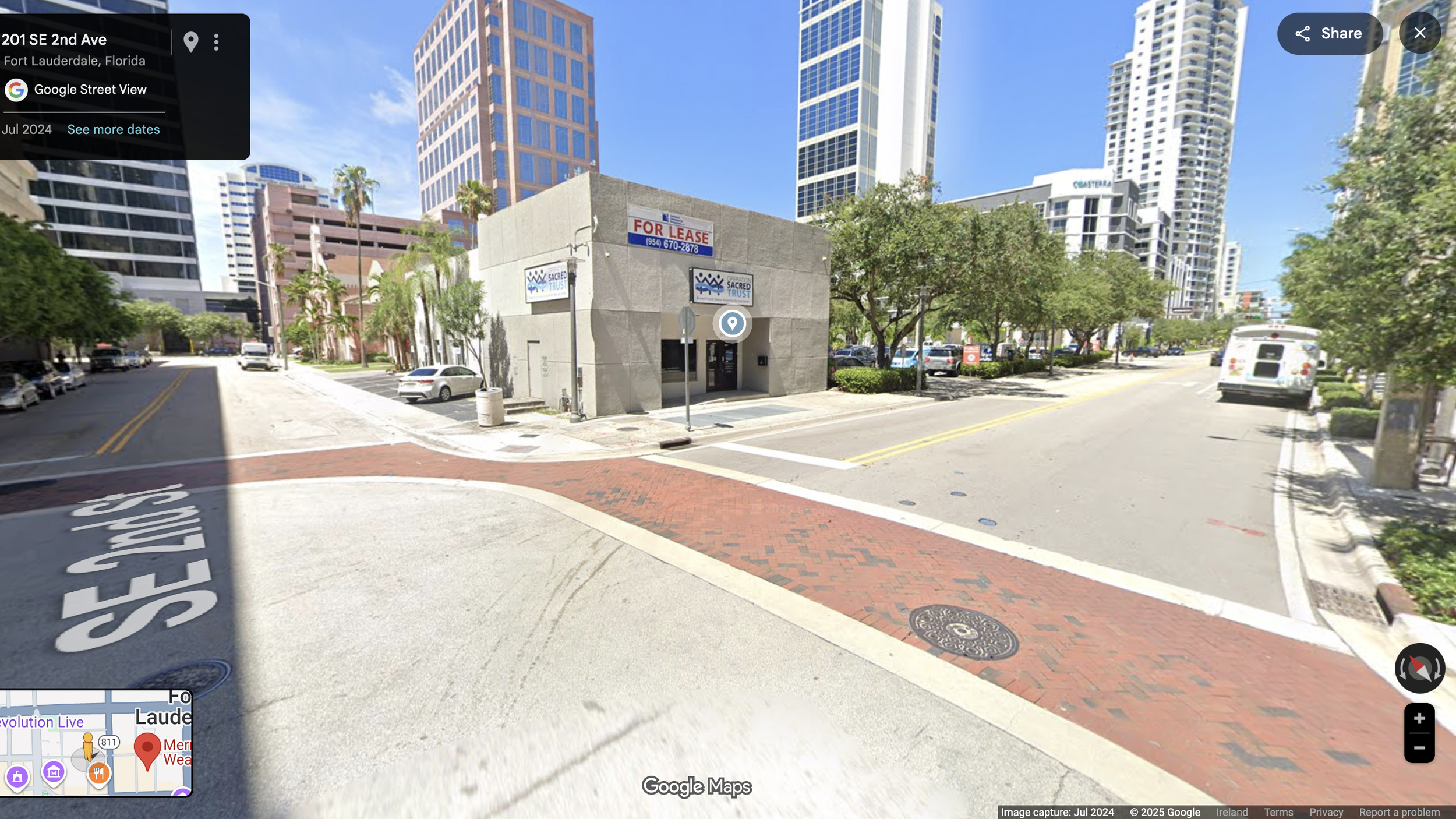
183_Fort Lauderdale, Florida, March 15, 1978
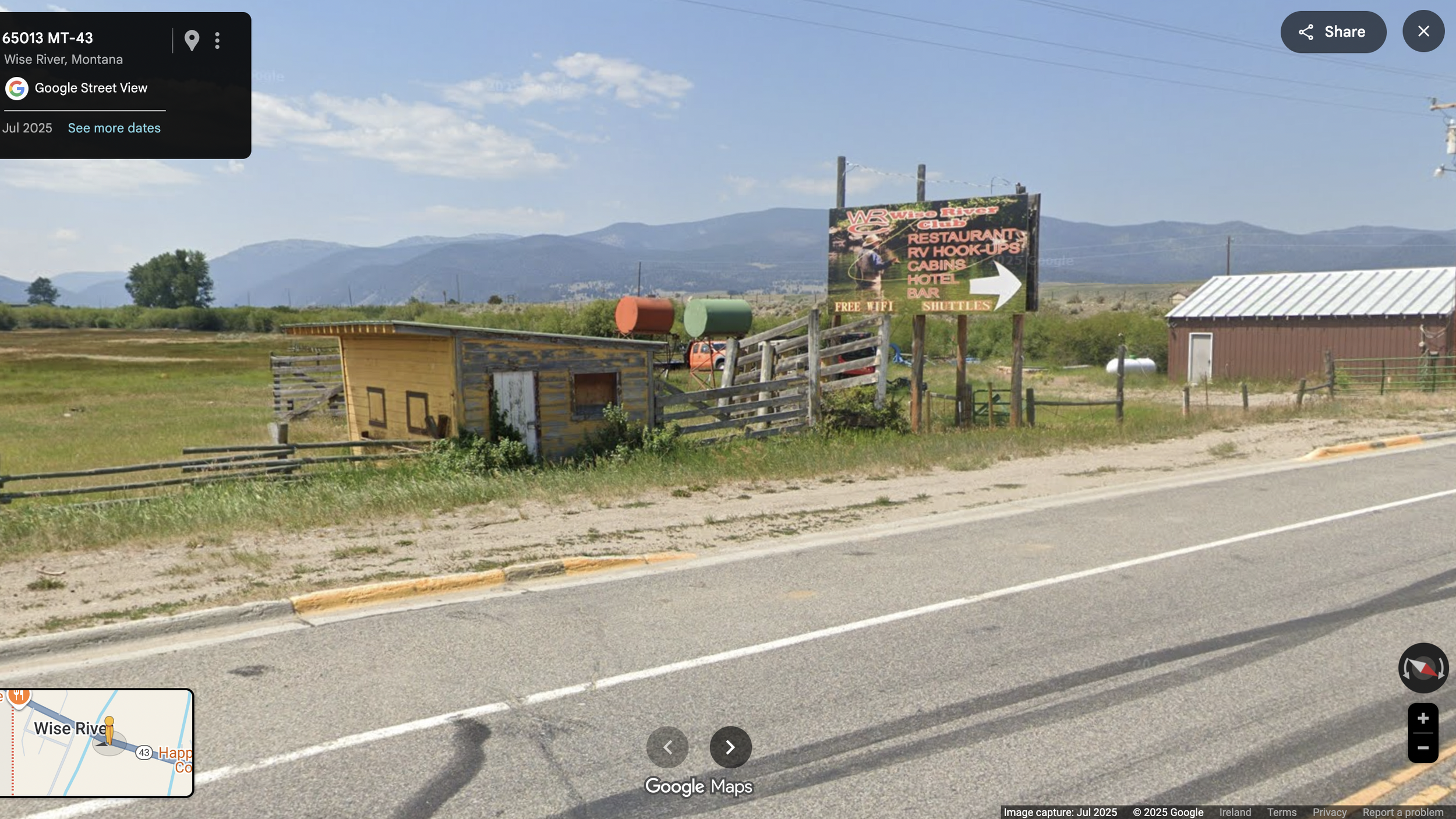
188_Wise River, Montana, September 18, 1979
Inconclusive:
22_Slot Car Raceway, Fourth Street, Harrisburg, Pennsylvania, July 4, 1973. This was wild goose chase. My best chance was finding the corner stone just visible in the bottom of the photo but it wasn’t to be. I could see buildings of the same era but nothing to match the location.
24_International Motel, Sacramento, California, July 22, 1978
26_Yellowstone National Park, Wyoming, July 17, 1973. I did explore the park and tried as many lakeside views as I could but there was no match. I think this would be a much easier task for a local.
42_Sunset Avenue, Palm Beach, Florida, October 28, 1973
43_North Ocean Boulevard, Palm Beach, Florida, October 27, 1973
46_New York, New York, January 17, 1975
49_West Third Street, Petersburg, West Virginia, May 16, 1974
52_Room 131, Howard Johnson’s Motor Lodge, Philipsburg, New Jersey, June 21, 1974. Demolished in 2017
54_Nicholas Bader, Easton, Pennsylvania, June 20, 1974
58_Natural Bridge, New York, July 31, 1974
60_U.S. 1, Arundel, Maine, July 17, 1974
50_Brownsville, Tennessee, May 3, 1974
64_Union Street, Rockport, Maine, July 23, 1974
65_Kimball’s Lane, Moody, Maine, July 17, 1974
66_Brooklin, Maine, June 22, 1974
70_Washington Avenue, North Adams, Massachusetts, July 14, 1974
73_Weston Naef, Blue Hill, Maine, July 29, 1974
91_Medicine Hat, Alberta, August 18, 1974
92_Dewdney Avenue, Regina, Saskatchewan, August 17, 1974
98_West Fourth Street, Little Rock, Arkansas, October 5, 1974
102_Michael and Sandy Marsh, Amarillo, Texas, September 27, 1974
108_East Walnut St, Roswell, New Mexico, September 26, 1974
109_Robert and Lucile Wehrly, Coos Bay, Oregon, August 31, 1974. Robert Wehrly, born 3 Jun 1906, Monroe, North Dakota, USA, died 22 Dec 1985, Coos Bay, Oregon, USA. Mother: Frances “Fannie” Walker, Father: Madison Lincoln Wehrly
110_ East Walnut St, Roswell, New Mexico, September 26, 1974